
SINGAPORE — For many years, Macao was synonymous with casinos, tourism, and its strategic location near the Chinese mainland. However, recent developments indicate that the region is aiming to redefine its economic landscape.
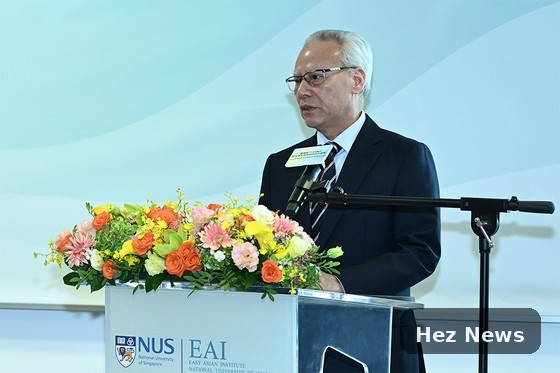
Sam Hou Fai, the Chief Executive of the Macao Special Administrative Region (SAR), is spearheading a transformative initiative to diversify Macao's economy. This move comes at a time when the global economy is witnessing significant shifts, prompting regions like Macao to rethink their traditional economic models.
Shifting Economic Focus
The primary challenge for Macao lies in its heavy reliance on gaming and tourism revenue. While these sectors have historically been lucrative, the pandemic has revealed the vulnerabilities associated with such dependence. In a bid to mitigate these risks, Macao is exploring new avenues for economic growth.
Under Fai's leadership, the government is focusing on enhancing its appeal as a business hub and fostering sectors such as technology, finance, and cultural industries. This diversification strategy is aimed at attracting international businesses and investors, thereby creating a more resilient economy.
Connecting with the Global Market
Part of Macao’s strategy includes positioning itself as a bridge between China and the world. The region's unique geographical and political standing allows it to serve as a gateway for international enterprises looking to tap into the vast Chinese market.
For example, Nigerian businesses eyeing expansion into Asia might find Macao an attractive entry point. The existing connections between Nigeria and China, coupled with Macao’s business-friendly environment, could facilitate smoother trade and investment flows.
Challenges Ahead
While the vision is ambitious, it is not without its challenges. Transitioning to a more diversified economy requires substantial investment in infrastructure, education, and workforce development. Moreover, Macao will need to navigate the complexities of international regulations and trade agreements.
As Macao embarks on this journey, it must also consider the lessons learned from Nigeria’s own economic diversification efforts. Nigerian policymakers have faced similar hurdles in shifting reliance from oil to other sectors, and Macao could benefit from studying these strategies.
Conclusion
In conclusion, Macao's strategy to diversify its economy beyond casinos is a significant step towards ensuring long-term sustainability and growth. As the region seeks to reinvent itself as a global business hub, there is potential for collaboration and shared learning, particularly with emerging markets like Nigeria.





Leave a Comment