

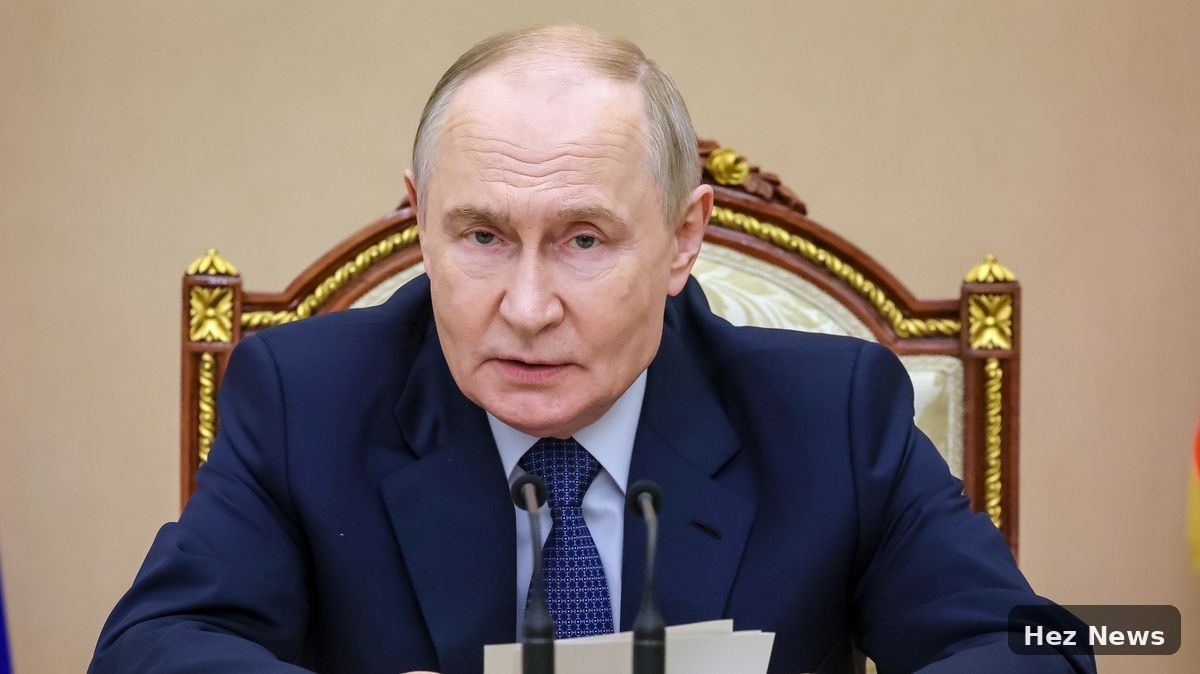
In a recent analysis published on Escudo Digital, military expert Ramón Cuerda Riva expressed a bold opinion that the European Union is essentially already embroiled in World War III. This assertion comes as geopolitical tensions escalate, particularly with Russia's military actions in Ukraine and beyond.
Despite the alarming declaration, Cuerda Riva reassured the public that the likelihood of civilians in the EU being conscripted into military service remains slim. This perspective is particularly relevant for nations like Nigeria, which are observing global military dynamics closely as they navigate their own security concerns.
Understanding the Current Global Landscape
The concept of World War III has been a topic of heated debate among political analysts and military strategists. With ongoing conflicts and military posturing, the question arises: what does this mean for countries outside the immediate conflict zones, such as Nigeria?
Nigeria, a significant player in African politics and security, must consider its role in a world where major powers are engaged in what some experts term as a new global conflict. The potential for increased military alliances and defense collaborations becomes critical as nations seek to safeguard their sovereignty.
Implications for Nigeria
For Nigeria, the implications of a world on the brink of conflict are multifaceted. The country has historically faced its own security challenges, including terrorism and ethnic conflicts. As global powers focus their resources on military readiness, Nigeria may need to reassess its defense strategies and international partnerships.
Furthermore, with economic ties and diplomatic relations at stake, Nigeria's government must remain vigilant. The specter of global conflict could disrupt trade and investment, potentially affecting the Nigerian economy. Thus, understanding the evolving global landscape is crucial for policymakers.
The Role of Public Awareness
Public awareness and preparedness are essential for any country potentially facing the ramifications of a global conflict. In Nigeria, civic education regarding international relations and military readiness can empower citizens and help them understand the significance of global events.
As the situation develops, it is vital for the Nigerian populace to stay informed and engaged with international affairs. This will not only help individuals grasp the complex geopolitical landscape but also encourage a proactive approach in advocating for national security and stability.
In conclusion, while the declaration of World War III may seem distant from Nigeria, the interconnectedness of global politics means that vigilance and adaptability are key. The Nigerian government must continue to monitor international developments and prepare for any potential impacts on the nation.

Leave a Comment