

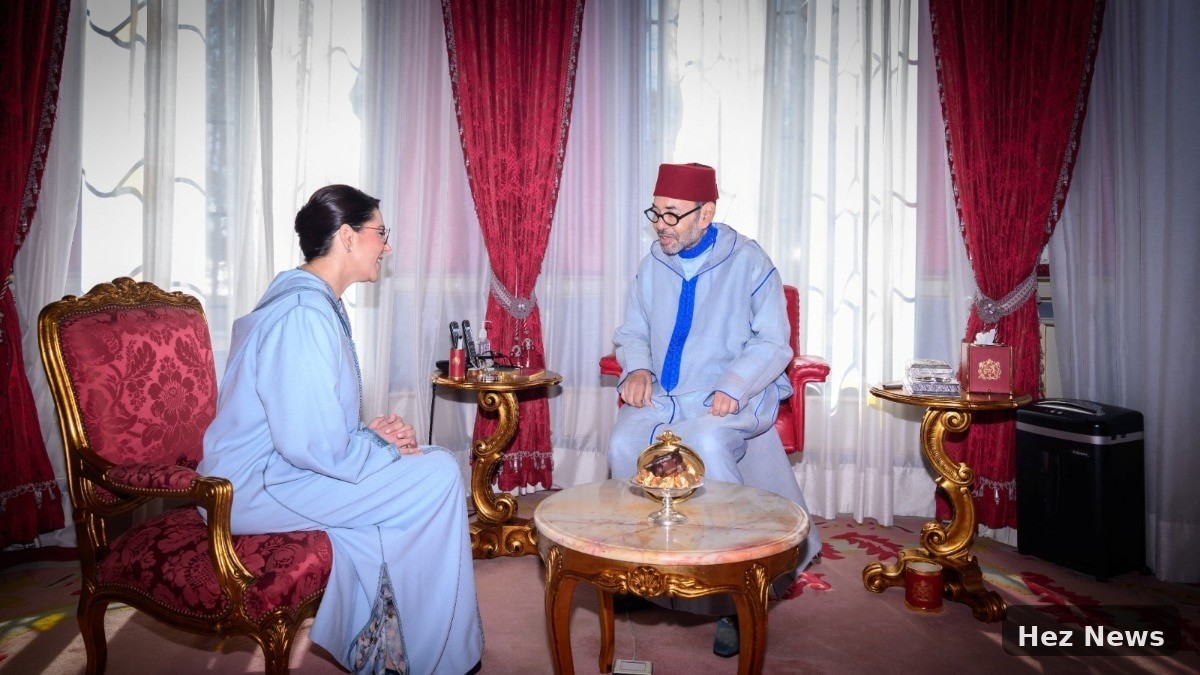
In a historic move, Morocco's King Mohammed VI has appointed Fatima Ezzahra El Mansouri as the first woman to serve as prime minister in the country's history. This significant appointment follows her party, the Authenticity and Modernity Party (PAM), emerging as the largest party in the recent parliamentary elections held last week.
Significance of the Appointment
The appointment of El Mansouri marks a pivotal moment for gender representation in Morocco's political landscape. As Morocco strives for modernization and progressive reforms, her leadership could pave the way for further advancements in women's rights and participation in governance.
Context: Women in Moroccan Politics
Historically, women in Morocco have faced various challenges in politics, often underrepresented in leadership roles. El Mansouri's rise to the position of prime minister symbolizes a breakthrough that could inspire a new generation of female leaders in Morocco and across Africa.
Nigeria’s Perspective
Nigerians have been closely monitoring political developments in Morocco, as the nation shares common challenges and aspirations for progress in gender equality. As Nigeria continues to grapple with empowering women in leadership and governance, El Mansouri's appointment may serve as a catalyst for discussions around women's rights and representation in Nigerian politics.
Future Implications
El Mansouri's leadership will be crucial as Morocco navigates various socio-economic challenges, including youth unemployment, economic diversification, and regional stability. Observers are keen to see how her policies will address these pressing issues while promoting inclusivity.
In conclusion, the appointment of Fatima Ezzahra El Mansouri as Morocco's first female prime minister is a groundbreaking development that resonates not only within Morocco but also across the African continent. It signals a potential shift towards more inclusive governance and serves as a reminder of the importance of representation in political leadership.





Leave a Comment