

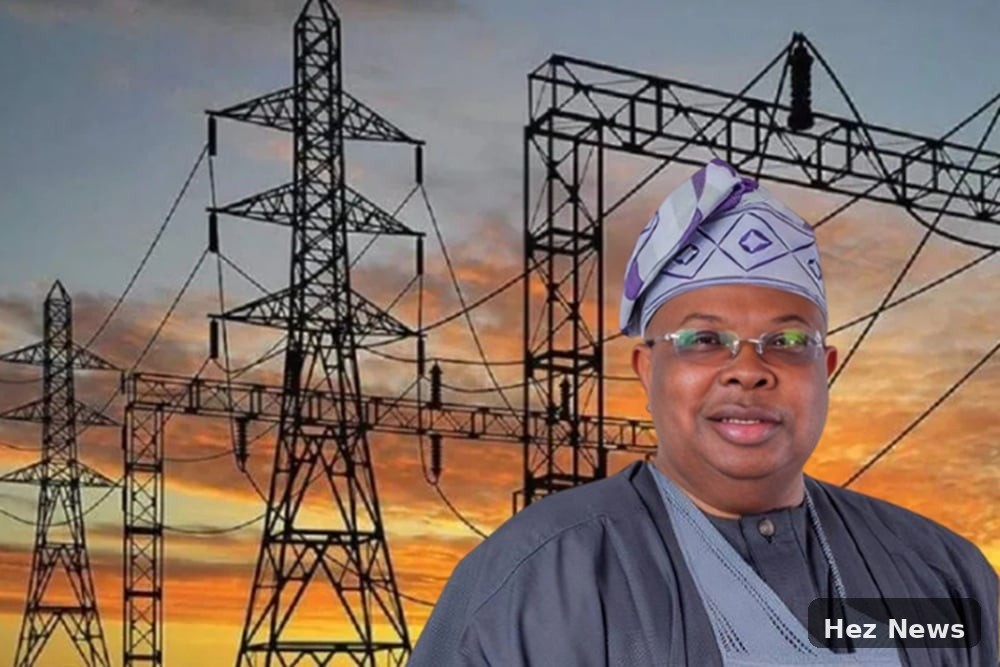
The Nigerian Power Ministry has successfully raised N1.23 trillion as part of a comprehensive strategy to address the growing debt crisis in the power sector, which is currently estimated to be around N3.3 trillion. This significant announcement was made by the Minister of Power, Joseph Olasunkanmi Tegbe, during a media briefing with senior journalists in Abuja on Monday.
Background on Nigeria's Power Sector Debt
Nigeria's power sector has been grappling with massive debts for years, impacting its ability to provide consistent and reliable electricity to millions of Nigerians. The accumulated debt affects various stakeholders, including generation companies, distribution companies, and service providers, creating a vicious cycle of financial instability and operational inefficiencies.
Details of the Fundraising Initiative
According to Minister Tegbe, the N1.23 trillion raised will primarily be directed towards clearing outstanding debts, thereby enhancing the operational capacities of power providers. This initiative is expected to not only stabilize the financial position of these companies but also improve electricity supply across the nation.
“This is a crucial step in our broader efforts to revitalize the power sector and ensure sustainable energy delivery to all Nigerians. The funds will be strategically utilized to settle existing debts and reinvest in infrastructure improvements,” Tegbe stated.
Impact on Electricity Supply
The minister emphasized that resolving these debts is vital for restoring confidence among investors and stakeholders within the Nigerian power sector. By addressing the financial challenges, the government aims to attract more investment, which is crucial for expanding and modernizing the electricity infrastructure.
“Improving the reliability of electricity supply is not just about settling debts; it’s about laying a solid foundation for future growth in the sector. We are committed to ensuring that Nigerians have access to uninterrupted power,” Tegbe added.
Government's Commitment to Power Sector Reform
This recent development is part of the government's ongoing efforts to reform the power sector, which has long been criticized for inefficiencies and inadequate service delivery. The administration is focused on implementing policies that will enhance transparency, accountability, and operational efficiency.
In addition to the financial measures, the Ministry of Power is also exploring technological advancements and partnerships that could further aid in resolving the challenges faced by the sector.
Conclusion
The raising of N1.23 trillion represents a proactive step towards addressing Nigeria's power sector debt, aiming to create a more stable and efficient electricity supply system for the country. As the government continues to seek solutions, stakeholders and citizens alike will be watching closely to see how these measures translate into tangible improvements in electricity availability and quality.





Leave a Comment