

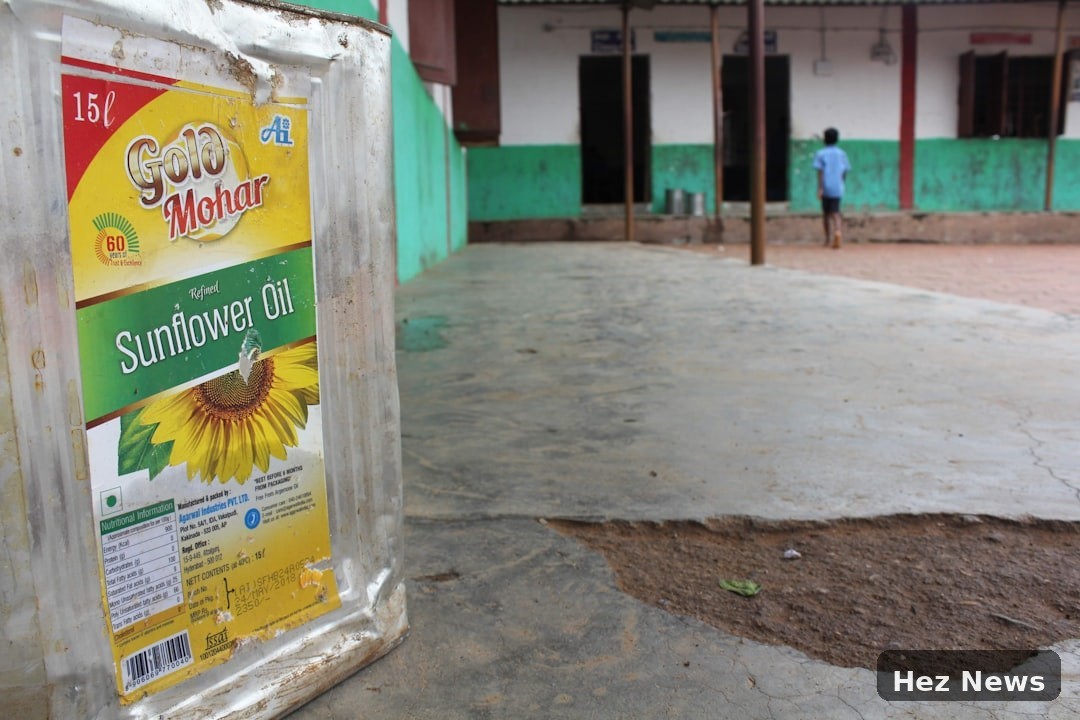
The National Agency for Food and Drug Administration and Control (NAFDAC) has made a significant move in ensuring the safety and integrity of food products in Nigeria. Recently, the agency seized two tankers that were intended for transporting edible vegetable oil but were found to be carrying diesel fuel instead. This action highlights the ongoing efforts of NAFDAC to combat illegal practices within the food supply chain.
Background of the Seizure
NAFDAC's operation, which took place in Lagos, is part of a broader initiative to monitor and regulate the transportation of food products across the country. With the increasing cases of adulteration and mislabeling of food items, the agency remains vigilant in its efforts to protect consumers from potentially harmful substances.
This latest incident raises serious concerns about the safety protocols in place within the transportation sector. Edible oils are a staple in Nigerian households, making it imperative that they are safe for consumption. The presence of diesel in tankers meant for food products poses significant health risks to consumers.
Implications for Public Health
The implications of such practices extend beyond mere regulatory violations. Consuming products contaminated with industrial substances like diesel can lead to severe health issues, including food poisoning and long-term organ damage. Thus, NAFDAC's intervention is crucial in maintaining public health and safety.
In recent years, Nigeria has witnessed a rise in consumer awareness regarding food safety, prompting calls for stricter enforcement of regulations. NAFDAC's actions serve as a reminder of the importance of adhering to established guidelines in both the production and transportation of food items.
Consumer Awareness and Responsibility
As part of the agency's commitment to consumer education, NAFDAC encourages the public to be vigilant when purchasing food products. Consumers are advised to check labels, verify sources, and report any suspicious activities related to food handling and sales.
The agency also emphasizes the need for collaboration with stakeholders in the food industry to ensure compliance with food safety standards. This collaboration is vital in fostering a culture of accountability and transparency in the sector.
Conclusion
In conclusion, the recent seizure of the tankers by NAFDAC underscores the agency's proactive stance in safeguarding the health of Nigerians. As food safety remains a pressing issue, continued vigilance and regulatory enforcement are essential in preventing similar incidents in the future. The agency's efforts not only protect consumers but also help to enhance the overall integrity of the food supply chain in Nigeria.




Leave a Comment