

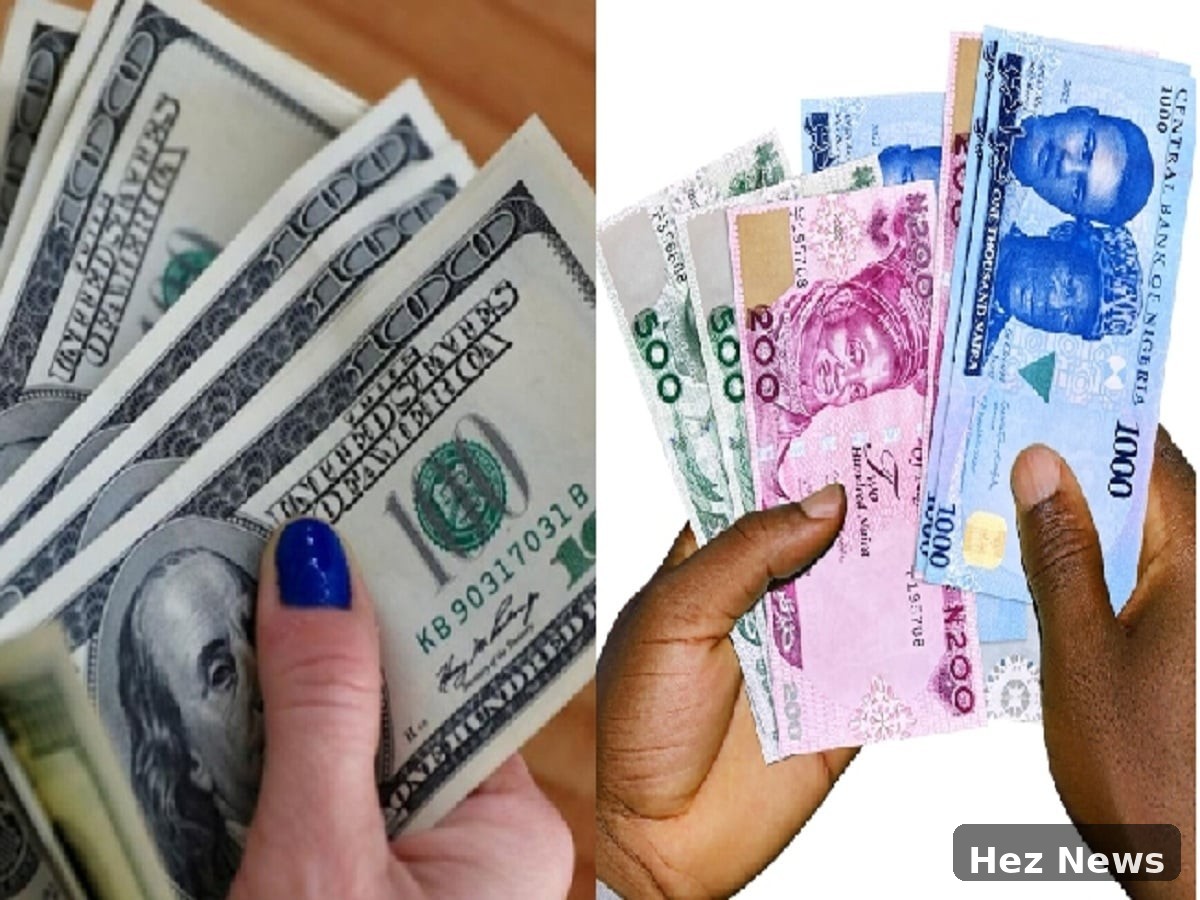
The Nigerian naira continues to face significant pressure as it trades at N1,366.7 to the dollar in the official Foreign Exchange Market (FX market), according to data released by the Central Bank of Nigeria (CBN). This depreciation highlights ongoing challenges within the nation's economy and foreign exchange landscape.
Current Economic Context
The recent decline in the naira's value is part of a broader trend where the currency has been struggling to maintain stability against major foreign currencies. Analysts attribute this situation to various factors, including fluctuating oil prices, ongoing inflation, and foreign investment trends.
Impact on Nigerians
This depreciation has far-reaching implications for the average Nigerian. As the naira weakens, the cost of imported goods rises, leading to increased prices for everyday commodities. Households and businesses alike are feeling the pinch as inflation continues to erode purchasing power.
Government and CBN Response
The Central Bank of Nigeria has been actively monitoring the situation, but measures to stabilize the naira have yet to yield significant results. Economists suggest that a more flexible exchange rate policy and incentives for local production could be part of the solution to bolster the naira's value.
Looking Ahead
As the Nigerian government and the CBN explore strategies to address the ongoing currency crisis, the focus remains on balancing the foreign exchange market and ensuring the economic wellbeing of citizens. Stakeholders are urged to stay informed as developments unfold in this critical area.
The depreciation of the naira is not just a financial statistic; it reflects broader economic realities that touch the lives of all Nigerians. Understanding these dynamics is essential as the country navigates these turbulent times.






Leave a Comment