

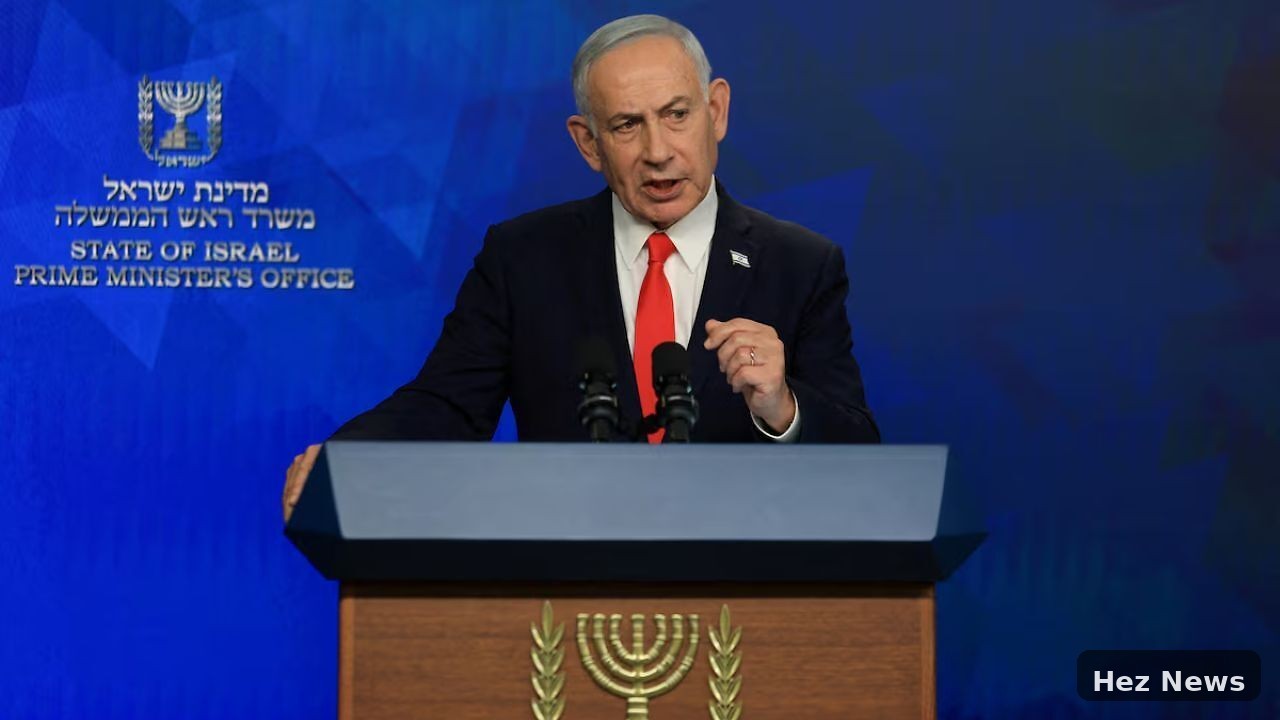
Israeli Prime Minister Benjamin Netanyahu arrived in Abu Dhabi on Sunday for a significant face-to-face meeting with UAE President Sheikh Mohammed bin Zayed Al Nahyan. This encounter comes amidst heightened tensions and a warning report issued on October 7, indicating potential unrest in the region.
Importance of the Meeting
The discussions between Netanyahu and Sheikh Mohamed are crucial, considering the evolving political landscape in the Middle East. The UAE has been a pivotal player in fostering diplomatic relations in the region, especially following the Abraham Accords that normalized ties between Israel and several Arab nations.
As Nigeria continues to engage with international partners on various fronts, the outcomes of such high-profile meetings may also resonate within the Nigerian diplomatic sphere, given Nigeria's interest in maintaining stability in the region.
Context of Tensions
The meeting follows a worrying report released earlier this month, which warned of potential escalations in violence. The Israeli government is particularly attentive to developments in neighboring countries and their implications for national security.
Nigeria's position as a major player in Africa means that it is closely monitoring international relations, especially those that may affect economic and political stability on the continent. The relationships formed between nations like Israel and the UAE can have ripple effects worldwide, including in Nigeria.
Next Steps
Following this crucial meeting, analysts will be keen to see how both leaders navigate the delicate balance of diplomacy, security, and economic cooperation. For Nigeria, understanding these dynamics is essential, as they may influence trade, investment, and security partnerships.
As the situation unfolds, it remains to be seen how these discussions will shape the future of Israeli-Arab relations and their broader implications for global peace and stability.






Leave a Comment