

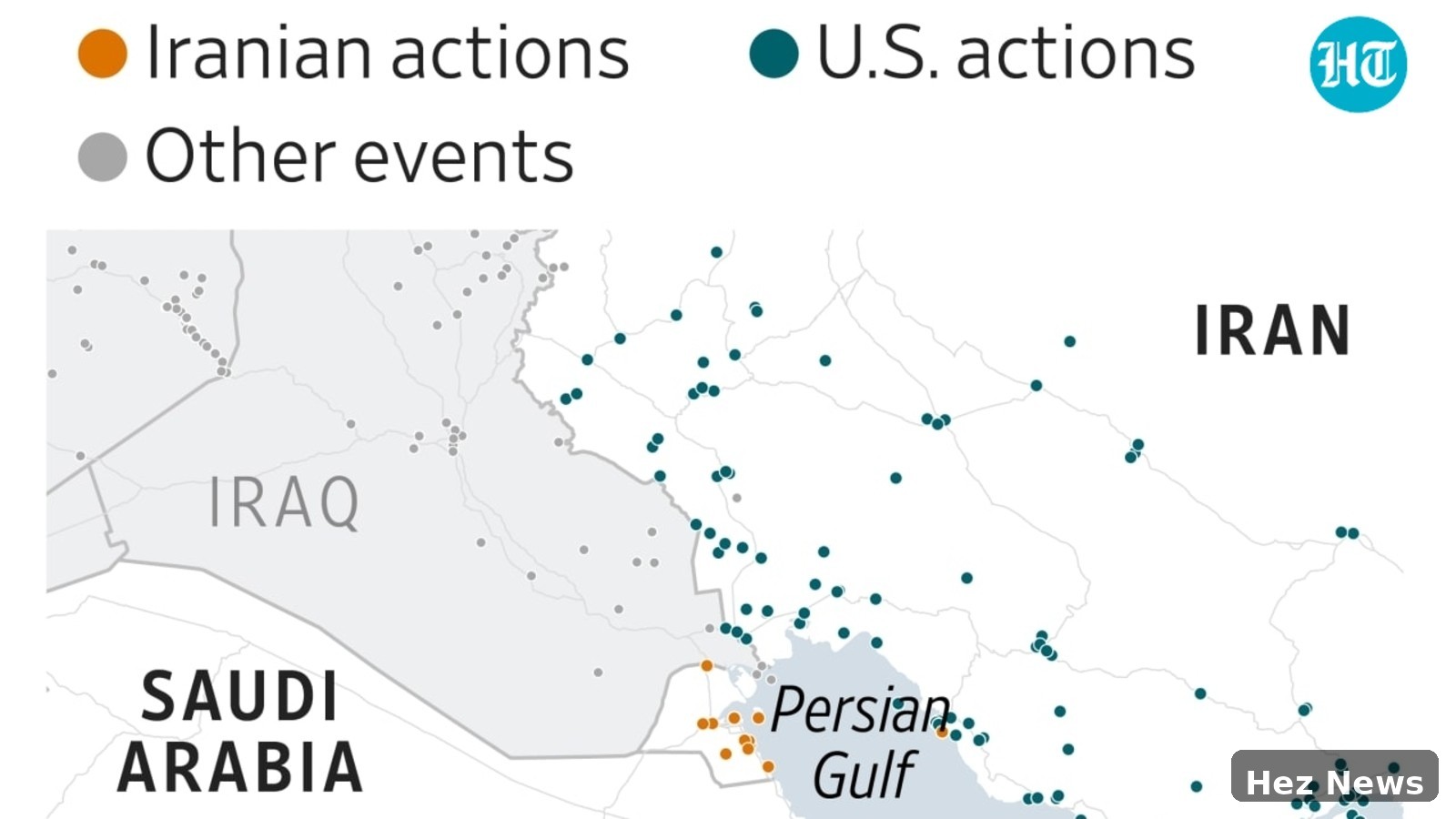
The Middle East, which seemed to have found a brief respite from violence following a memorandum of understanding between the U.S. and Iran in mid-June, is now witnessing a resurgence of hostilities. The recent developments indicate that the region could be on the brink of a significant escalation.
Recent Escalations
In the wake of the temporary peace agreement, many hoped for a prolonged period of stability. However, reports suggest that fresh theaters of conflict are emerging across various nations in the Middle East. Tensions have escalated in countries such as Syria, Lebanon, and Iraq, where new skirmishes are raising concerns over a potential wider conflict.
Nigeria's Stake in Middle East Affairs
For Nigerians, the implications of these conflicts extend beyond international politics. Nigeria has historically maintained diplomatic and economic ties with several Middle Eastern nations, including Iran. The ongoing instability could impact oil prices, which directly affects the Nigerian economy.
Geopolitical Ramifications
The renewed violence in the Middle East poses significant geopolitical challenges. Nations around the world are closely monitoring developments, as any escalation could lead to broader military involvement. The Nigerian government, alongside its international partners, must navigate these complexities to safeguard its national interests.
The Role of International Diplomacy
Efforts to mediate and resolve tensions are crucial at this juncture. Diplomatic channels must remain open to prevent further deterioration of the situation. For Nigeria, engaging in dialogue with international bodies can help in formulating a collective response that promotes peace and stability.
Conclusion
As new conflict zones arise in the Middle East, the global community, including Nigeria, must remain vigilant. The potential for escalated violence not only threatens regional stability but also has far-reaching impacts on global economics and security. It is imperative for nations to work collaboratively toward a peaceful resolution.





Leave a Comment