

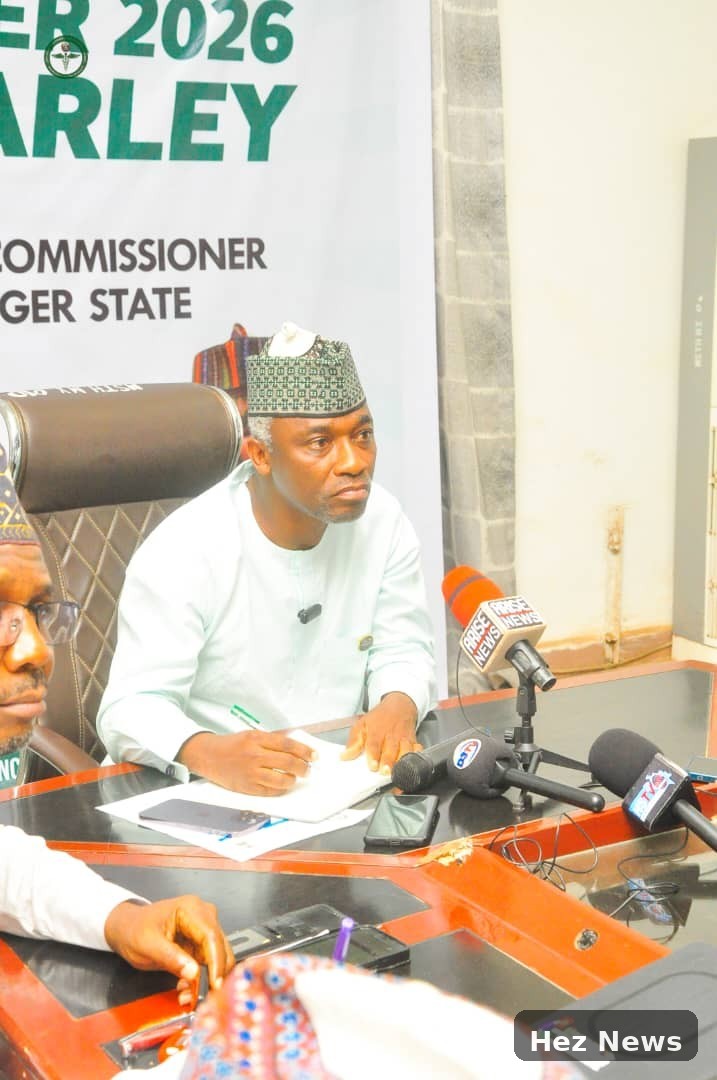
The Niger State Government has announced a decisive plan to address the ongoing clinical training crisis faced by medical students at the Ibrahim Badamasi Babangida University in Minna. This initiative aims to establish a timeline of six months to one year to ensure that students can complete their clinical training without further delay.
Background of the Crisis
Medical students in Niger State have faced significant challenges in accessing clinical training opportunities. The situation has been exacerbated by inadequate facilities and a shortage of qualified healthcare professionals willing to supervise the students. As a result, many aspiring doctors have had their education disrupted, leading to concerns about the quality of healthcare in the region.
Government's Intervention
In response to these pressing issues, the Niger State Government has convened a series of meetings with stakeholders, including university administrators, healthcare providers, and student representatives. The government recognizes that timely clinical training is essential for the development of competent medical practitioners who can meet the healthcare needs of the state.
Governor Abubakar Sani Bello emphasized the importance of resolving this crisis promptly, stating, "Our students deserve quality education and practical experience, which they can only gain through effective clinical training. We are committed to ensuring that our medical students receive the necessary support to complete their studies efficiently."
Implementation of Solutions
The proposed timeline will involve several key measures:
- Collaboration with Local Hospitals: The government plans to partner with local hospitals to provide additional clinical training opportunities for students.
- Increase in Training Facilities: Investments will be made to improve existing training facilities and establish new ones to accommodate more students.
- Enhanced Supervision: The government aims to recruit more qualified healthcare professionals to supervise the training sessions, ensuring that students receive adequate mentorship.
Implications for Healthcare in Niger State
Resolving the clinical training crisis is vital not only for the students but also for the overall health sector in Niger State. With a growing population and increasing healthcare demands, the state requires well-trained medical professionals to provide quality care.
Furthermore, the government’s commitment to enhancing medical education could lead to improved healthcare outcomes, ultimately benefiting the entire community. By fostering an environment that prioritizes education and professional development, Niger State can cultivate a robust healthcare workforce capable of addressing its unique challenges.
Conclusion
The Niger State Government’s initiative to set a one-year deadline for resolving the clinical training crisis is a welcome step towards ensuring that medical students receive the education they deserve. As the government works to implement these changes, stakeholders and the community at large will be watching closely to see how effectively these measures are realized.





Leave a Comment