

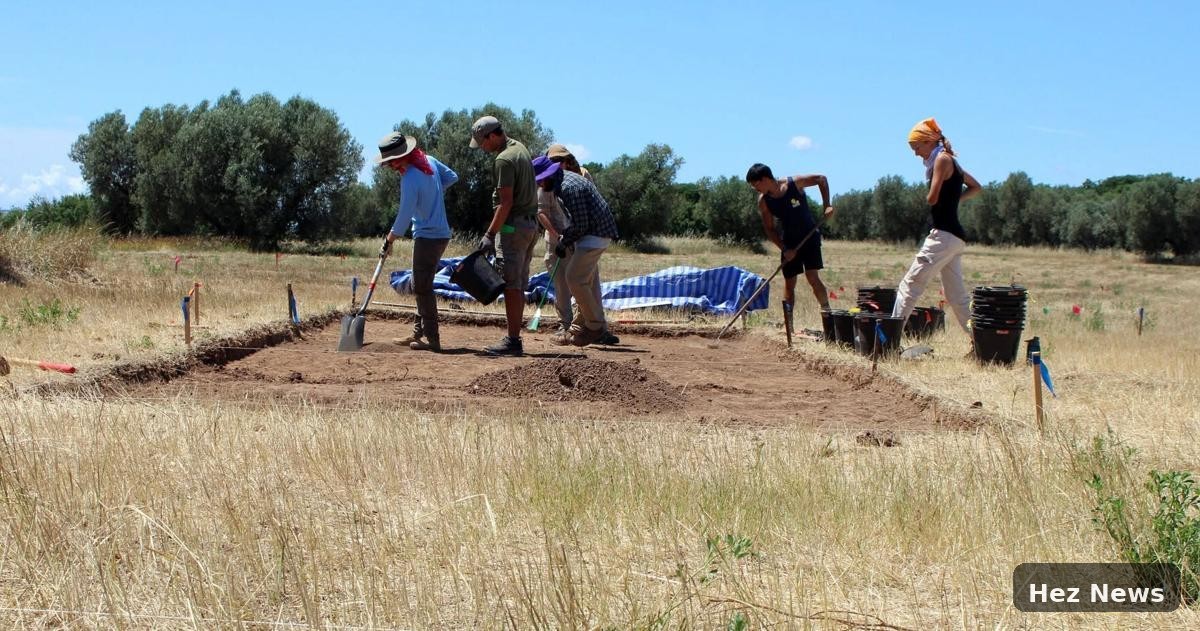
New Orleans archaeology students are currently engaged in a significant archaeological dig in Italy, focusing on World War II sites. This collaborative effort not only highlights the importance of history but also showcases the growing interest of Nigerian students in global archaeology and heritage preservation.
Historical Significance of WWII Sites
World War II left a profound mark on global history, with many locations across Europe still holding remnants of the past. The archaeological dig in Italy aims to uncover artifacts that tell the stories of soldiers and civilians affected by the war. For Nigerian students, participating in such projects offers a unique opportunity to learn about international history while applying their skills in a real-world context.
Nigerian Students Making Their Mark
As Nigeria continues to develop its educational programs in the arts and sciences, students are increasingly seeking opportunities beyond their borders. This dig represents a chance for these students to gain hands-on experience in archaeology, a field that has traditionally been dominated by Western institutions.
Dr. Jane Okafor, a Nigerian archaeologist involved in the project, emphasized the importance of this collaboration, stating, "These students are not just learning about history; they are actively participating in preserving it. Their involvement brings a fresh perspective to the excavation process."
Building International Relationships
The dig is also fostering international relationships that can benefit Nigeria's archaeological community. Collaborating with international institutions allows Nigerian students to exchange knowledge and techniques, which can be invaluable for future projects at home.
By participating in digs like the one in Italy, these students are not only enhancing their academic credentials but are also contributing to a greater understanding of global history—a vital aspect of cultural preservation.
Future Implications for Nigerian Archaeology
The skills and knowledge gained from this experience are expected to have a long-lasting impact on the students' future endeavors in Nigeria. As they return home, they are likely to inspire a new generation of archaeologists and historians.
Furthermore, the involvement of Nigerian students in international projects can lead to increased recognition of Nigeria as a significant player in the field of archaeology. This could open doors for more funding, research opportunities, and collaborations with global institutions.
Conclusion
The participation of New Orleans archaeology students, including those from Nigeria, in the WWII dig in Italy not only enriches their academic journey but also enhances Nigeria's presence in international archaeology. As these students delve into the past, they are creating a brighter future for the study and preservation of history.






Leave a Comment