

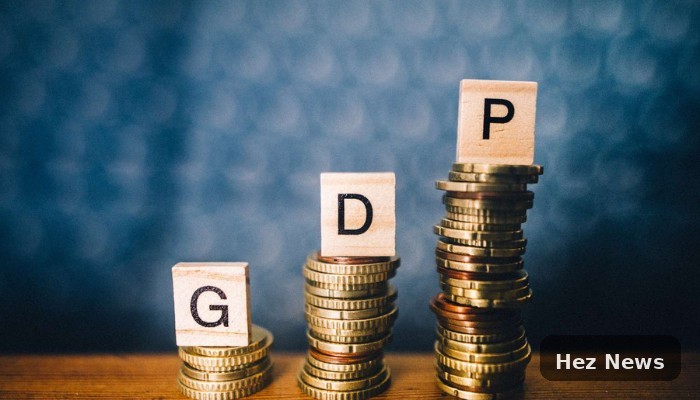
The Nigerian Presidency has recently emphasized the country's debt-to-GDP ratio, which currently stands at a modest 40%. This figure, according to government officials, is indicative of a stable economic environment, especially in light of the ongoing recovery of Nigeria's gross domestic product (GDP) following a series of economic adjustments.
Understanding Nigeria's Economic Landscape
In recent years, Nigeria has implemented various economic reforms aimed at enhancing fiscal sustainability and promoting growth. The current debt-to-GDP ratio is seen as a sign that these reforms are taking effect, as they provide a framework for managing the nation’s financial obligations while encouraging investment and development.
Post-Adjustment GDP Recovery
The government has noted that the post-adjustment GDP recovery has shown promising signs of growth. Following adjustments to fiscal policies and economic strategies, Nigeria's GDP is on a path to recovery, which is crucial for fostering business confidence and stimulating economic activity across various sectors.
Subnational Revenue Growth
Another critical aspect highlighted by the Presidency is the growth in subnational revenues. This increase is vital as it reflects the ability of state governments to generate income independently, reducing reliance on federal allocations. The government believes this growth will contribute significantly to overall economic stability and development.
Future Outlook
The Presidency remains optimistic about the future of Nigeria's economy, underscoring the importance of continuous reform and strategic planning. As the nation navigates through global economic uncertainties, maintaining a balanced debt-to-GDP ratio will be essential for ensuring sustainable growth and development.
Conclusion
In conclusion, the assertion by the Presidency regarding Nigeria's 40% debt-to-GDP ratio and the recovery of GDP post-adjustment provides a glimpse into the country's economic trajectory. With ongoing efforts to enhance revenue generation at the subnational level, Nigeria is poised for a promising economic future.




Leave a Comment