


The Nigerian education system is currently navigating through a complex landscape, much like India, which has been highlighted as one of the largest yet most fragmented educational ecosystems in the world. With over 1.5 million schools and numerous universities, Nigeria faces a unique set of challenges that can influence its educational outcomes.
Current State of Education in Nigeria
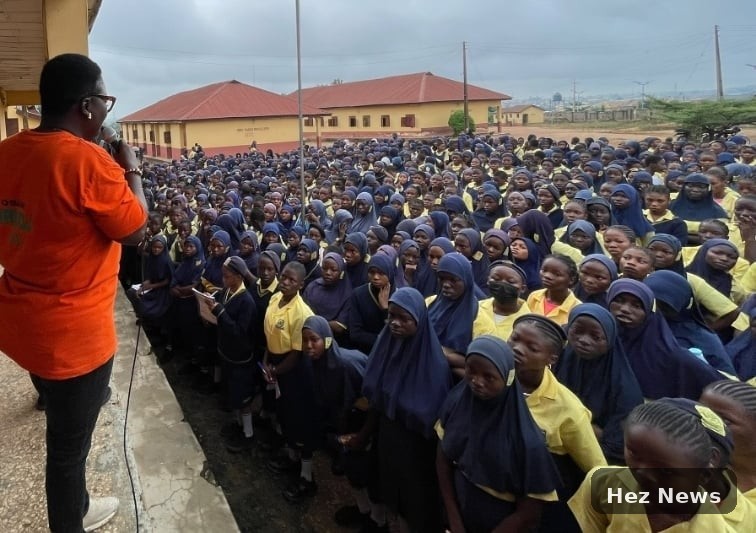
Nigeria's education sector is characterized by a stark disparity between urban and rural areas. Many rural schools suffer from inadequate infrastructure, lack of trained teachers, and insufficient learning materials. In contrast, urban institutions often have better resources but still struggle with overcrowding and underfunding.
Global Comparisons and Lessons
Drawing parallels with India's educational challenges, Nigeria can learn from various reforms and initiatives. India is facing similar issues of fragmentation within its educational system, which often leads to unequal access to quality education. By studying India's approach to educational reforms, Nigeria can devise strategies tailored to its unique needs.
Opportunities for Improvement
Despite the challenges, there are significant opportunities for improvement within Nigeria’s education system. Technological advancements can play a crucial role in bridging the gaps. The rise of digital learning platforms and educational apps provides an avenue to enhance learning experiences, particularly in underprivileged areas.
Furthermore, the Nigerian government and private stakeholders are increasingly recognizing the importance of investing in education. Initiatives aimed at teacher training, curriculum development, and infrastructure improvement are gaining momentum, which could lead to more equitable educational outcomes.
Community Involvement and Support
Community involvement is essential for sustaining educational reforms. Parents, local leaders, and NGOs can contribute to creating a conducive learning environment. Programs that encourage parental engagement in schools can enhance accountability and performance. This collective effort is vital for ensuring that every child in Nigeria has access to quality education.
Conclusion
Nigeria stands at a critical juncture in its educational journey. By learning from global examples and leveraging local resources, the country can turn its fragmented educational landscape into a cohesive system that fosters growth and development for future generations. Addressing the challenges head-on with strategic interventions will pave the way for a brighter educational future in Nigeria.



Leave a Comment