

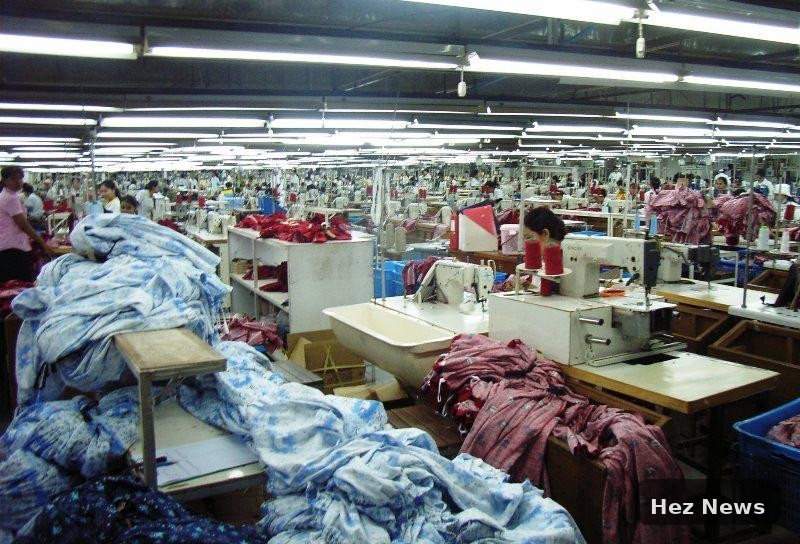
The Nigerian federal government has announced a comprehensive strategy aimed at revitalizing the struggling textile sector, particularly focusing on the assets located in Kaduna. This initiative is part of a broader effort to rejuvenate the country's textile industry, which has faced significant challenges over the years.
Background on Nigeria's Textile Industry
The textile industry in Nigeria once thrived, providing jobs and contributing significantly to the economy. However, a combination of factors, including competition from cheaper imports, poor infrastructure, and inadequate government support, has led to a decline in local production. Many factories have shut down, resulting in massive job losses and a reduction in local textile output.
Details of the Overhaul Plan
The government's plan includes a complete overhaul of the existing textile factories in Kaduna, which is known as a historical hub for textile production in Nigeria. The initiative will involve refurbishing old machinery, investing in new technology, and improving the supply chain to ensure that local textile products can compete in both domestic and international markets.
Key Components of the Plan:
- Investment in Infrastructure: Upgrading the physical infrastructure supporting textile manufacturing.
- Financial Support: Providing financial incentives and support to local manufacturers.
- Skills Development: Training programs aimed at equipping workers with the necessary skills.
- Market Access: Initiatives to improve access to both local and international markets for Nigerian textiles.
Expected Impact on the Economy
Reviving the textile industry is expected to have a significant positive impact on the Nigerian economy. It is anticipated that this overhaul will not only create thousands of jobs but also stimulate growth in related industries such as agriculture, especially cotton production, which is essential for the textile sector.
Furthermore, by promoting local manufacturing, the government aims to reduce the reliance on imported textiles, which has been a burden on the nation's foreign exchange reserves. This shift could also foster greater economic independence and resilience.
Government's Commitment
The federal government has expressed strong commitment to this initiative, recognizing the vital role that a robust textile sector plays in national development. Officials have stated that they will work closely with stakeholders, including manufacturers, farmers, and industry experts, to ensure the successful implementation of the plan.
Conclusion
The proposed overhaul of the textile industry in Kaduna represents a significant step towards revitalizing Nigeria's economy. With the right investments and support, the government hopes to restore the country to its former glory as a leading textile producer in Africa. This initiative not only aims to create jobs but also to foster a sustainable and competitive textile industry for the future.





Leave a Comment