

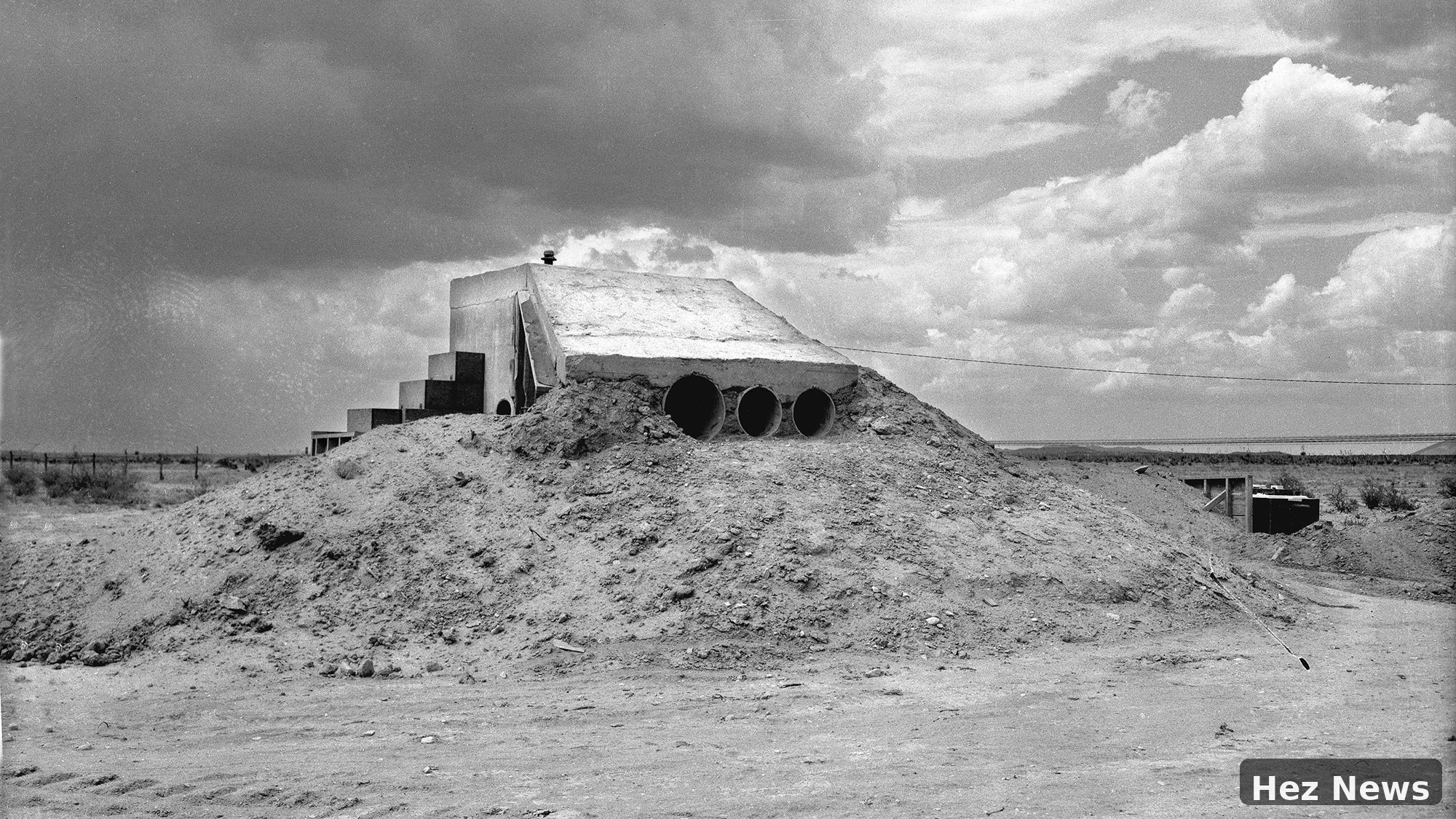
On July 16, 1945, the world witnessed a pivotal moment in history as scientists, engineers, and military personnel gathered in the remote New Mexico desert for the Trinity nuclear test. This event not only marked the dawn of the nuclear age but also played a significant role in shaping the outcome of World War II.
Background of the Trinity Test
The Trinity test was the first detonation of a nuclear weapon, developed under the Manhattan Project. The project was a response to fears that Nazi Germany was developing atomic bombs. As the war came to a close, the United States aimed to showcase its newfound power, which significantly influenced both the conclusion of the war and the geopolitical landscape that followed.
The Unknowns of Nuclear Energy
One of the greatest uncertainties leading up to the Trinity test was the amount of energy that would be released upon detonation. Scientists were aware of the theoretical implications of nuclear fission but had never witnessed its real-world effects. This uncertainty was a source of concern not just for the scientists involved but also for military officials who understood the potential for catastrophic consequences.
The Role of Nigerian Scientists
While the Trinity test took place thousands of miles away from Nigeria, its ramifications reached across the globe, influencing scientific communities everywhere. In Nigeria, the development of nuclear technology has been a subject of both interest and caution. Nigerian scientists have engaged in discussions about the benefits of nuclear energy for power generation and medical applications, while also addressing the ethical considerations and safety concerns that arise from nuclear technology.
Legacy of the Trinity Test
The success of the Trinity test led to the bombings of Hiroshima and Nagasaki, ultimately contributing to Japan's surrender and the end of World War II. However, it also ushered in an era of nuclear proliferation and a continuous arms race, which has had profound implications for global security, including in Nigeria, where discussions about nuclear policy and energy continue to evolve.
Conclusion
The Trinity nuclear test is a reminder of the complex interplay between scientific discovery and ethical responsibility. As Nigeria continues to explore nuclear technology's potential, lessons from the past remain crucial in shaping a safer and more responsible future.






Leave a Comment