

In the quest for optimal child growth, parents often ponder the fundamental question: Is my child receiving adequate nutrition? While genetics undeniably plays a role in determining height, recent insights from Japan reveal that nutrition significantly influences growth potential.
Post-War Innovations in Nutritional Policy
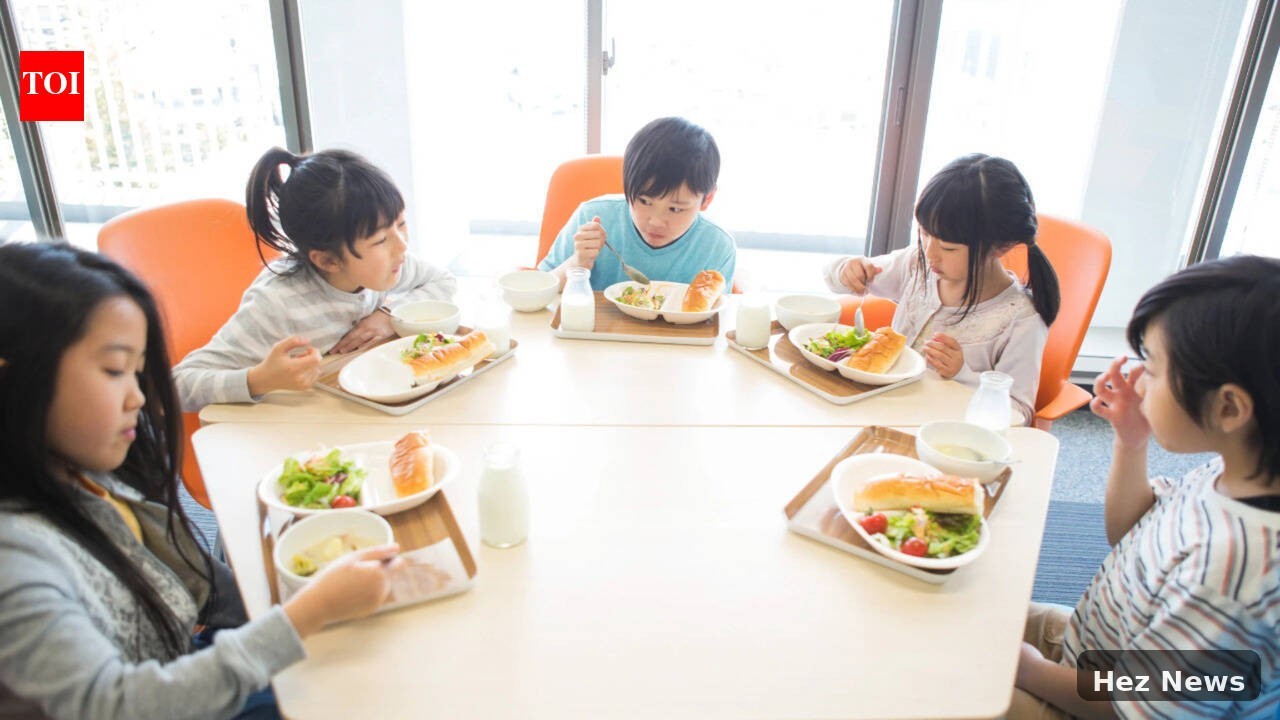
After World War II, Japan faced significant challenges in ensuring the health and growth of its young population. In response, the government introduced two crucial food items into the school meal program: milk and fish. These additions marked a pivotal shift in dietary standards, emphasizing the importance of nutrient-rich foods in children’s diets.
The Role of Nutrition in Child Development
Experts emphasize that while a child’s height is largely determined by genetics, nutrition plays a critical role in unlocking a child's full height potential. A balanced diet that includes essential vitamins and minerals can significantly impact linear growth. In Nigeria, where malnutrition remains a pressing issue, the lessons learned from Japan’s post-war food policies could be invaluable.
Malnutrition: A Nigerian Perspective
According to the National Bureau of Statistics, the prevalence of stunting among Nigerian children stands alarmingly high, affecting millions. Malnutrition can stem from a variety of factors, including poverty, lack of access to nutritious foods, and inadequate dietary practices. Thus, the emphasis on incorporating essential foods in school meals could serve as a model for Nigerian policymakers.
Implementing Effective School Meal Programs
As Nigeria seeks to improve the health and nutrition of its children, adopting a comprehensive school meal program that prioritizes the inclusion of nutrient-dense foods could be beneficial. By focusing on items such as dairy products, proteins, and a variety of fruits and vegetables, schools can play a pivotal role in enhancing children's growth and overall health.
Future Directions for Nigerian Children
To replicate Japan’s success, Nigerian educational authorities and health experts must collaborate to ensure that school meal programs are adequately funded and effectively implemented. This could involve training for school administrators and nutritionists to ensure that meals are not only plentiful but also nutritionally balanced.
Moreover, raising awareness among parents about the importance of nutrition can empower families to make healthier food choices at home, further supporting children's growth. As the nation strives for a healthier future generation, learning from global best practices becomes essential.
Conclusion
Japan's experience post-World War II serves as a compelling case study for Nigeria. By recognizing the importance of nutrition in child development and implementing effective school meal programs, Nigeria has the potential to significantly enhance the growth and health of its children, paving the way for a brighter future.






Leave a Comment