

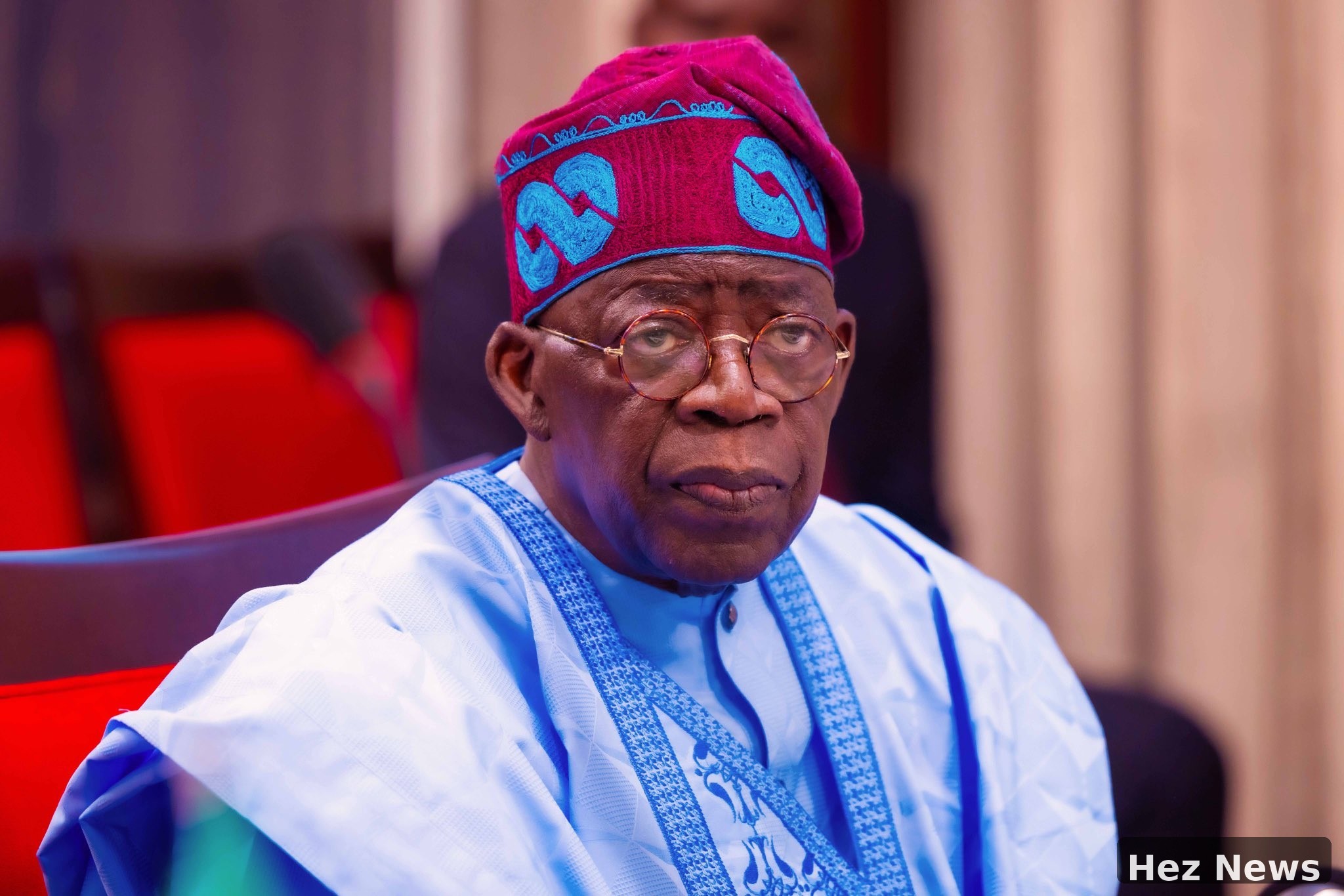
In a recent statement, Musiliu Obanikoro, the former Minister of State for Defence, has shed light on the factors that contributed to President Bola Tinubu's loss in Lagos State during the 2023 general elections. This revelation comes amid ongoing discussions about the political landscape of Lagos and its implications for the ruling party.
Context of the 2023 Elections
The 2023 elections in Nigeria were marked by heightened political tensions and a highly competitive environment. Lagos State, often regarded as the economic hub of Nigeria, played a pivotal role in determining the success of various candidates. Tinubu, who had a long-standing influence in the state, faced unexpected challenges from opposition parties.
Obanikoro's Insights
Obanikoro pointed out that the loss can be attributed to several key factors, including a shift in voter sentiment and increased mobilization by opposition groups. He emphasized that the electorate in Lagos was looking for change and a break from the traditional political norms that had characterized the state for decades.
According to Obanikoro, the popularity of the opposition candidates played a significant role in swaying public opinion. He noted the effectiveness of grassroots campaigns that resonated with the younger voters, many of whom are disillusioned with the status quo.
Voter Sentiment and Mobilization
In recent years, there has been a noticeable shift in the political engagement of Lagosians, particularly among the youth. The 2023 elections saw an unprecedented turnout, with many young citizens participating for the first time. This demographic shift was crucial, as many voters were driven by issues such as unemployment, corruption, and inadequate public services.
Obanikoro remarked, "The people of Lagos made their voices heard. They are no longer passive participants in the political process; they are demanding accountability and better governance." This sentiment echoes the broader trends observed across Nigeria, where voters are increasingly prioritizing integrity and responsiveness from their leaders.
Implications for Future Elections
The implications of Tinubu's loss in Lagos extend beyond the state. As a key player in Nigerian politics, his defeat raises questions about the future of the ruling party and its strategy moving forward. Political analysts are keenly observing how the party will adapt to the changing dynamics and what it means for their stance in upcoming elections.
Obanikoro's observations serve as a wake-up call for the ruling party, signaling the need for introspection and a reevaluation of their policies to regain the trust of the electorate. The landscape of Nigerian politics is rapidly evolving, and those in power must be prepared to respond to the aspirations of the people.
Conclusion
As Nigeria approaches future elections, the lessons learned from the 2023 general elections in Lagos are invaluable. The results highlight the importance of understanding voter dynamics and adapting to the needs of the populace. Musiliu Obanikoro’s insights into Tinubu's loss provide a crucial perspective for political stakeholders as they navigate the changing tides of Nigerian politics.

Leave a Comment