

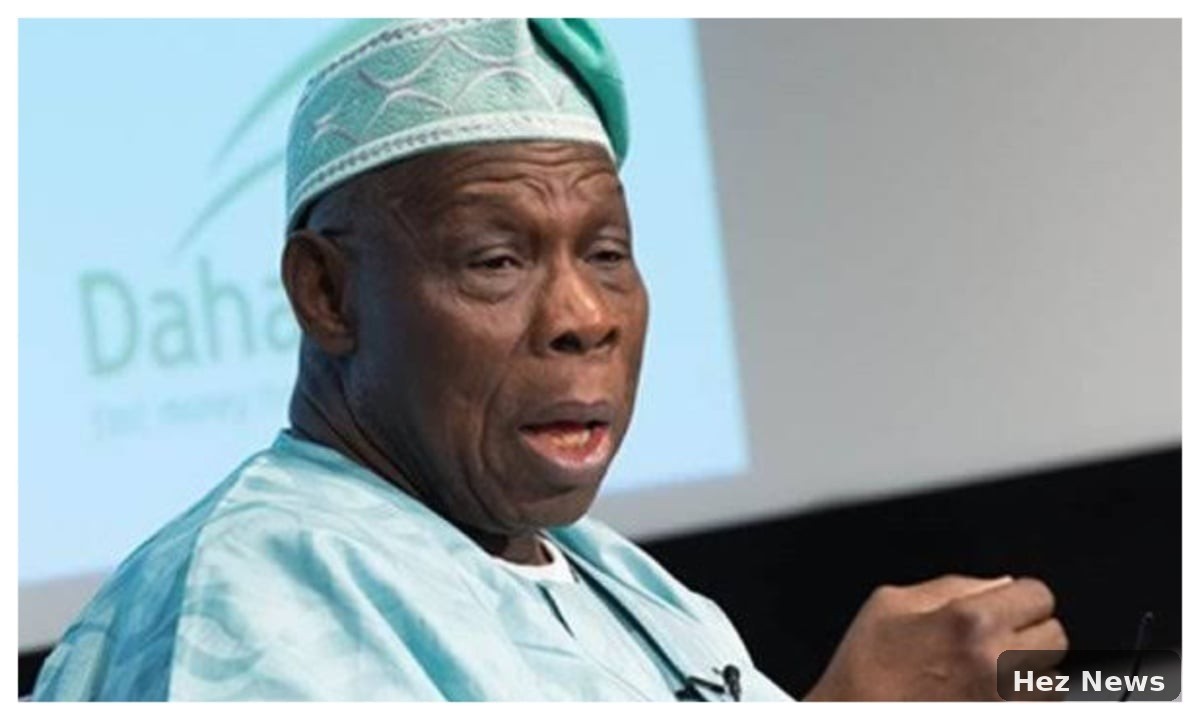
Former President Olusegun Obasanjo has called on the survivors and families of the victims of the 1967 Asaba Massacre to pursue a path of forgiveness and reconciliation. His remarks come as Nigeria reflects on this tragic event that claimed numerous lives during the Nigerian Civil War.
Background of the Asaba Massacre
The Asaba Massacre stands as one of the darkest chapters in Nigeria's history, where Nigerian soldiers executed hundreds of innocent civilians in the town of Asaba, Delta State. This horrific incident occurred in October 1967, amidst the escalating conflict between the federal government and the secessionist state of Biafra. Asaba, positioned near the frontlines, became a target for the military, leading to widespread slaughter.
Obasanjo's Message
During a recent memorial event, Obasanjo emphasized the importance of healing and moving forward as a nation. He stated, "For peace to reign, we must embrace forgiveness, not just among ourselves but also towards those who have wronged us in the past." His appeal resonates with the ongoing need for unity in a country still grappling with the scars of war.
The Importance of Reconciliation
Reconciliation is crucial for societal healing. The former President highlighted that acknowledging the past is essential in preventing future conflicts. He urged all Nigerians, particularly the youth, to learn from history and foster a culture of peace and understanding.
Reactions from the Public
Many attendees at the memorial service expressed their support for Obasanjo's message. Aisha Ibrahim, a descendant of one of the victims, shared her thoughts: "Forgiveness is not easy, but it is necessary for our collective future. We cannot allow the pain of the past to dictate our present and future."
Conclusion
As Nigeria continues to commemorate the victims of the Asaba Massacre, the call for forgiveness and reconciliation remains a poignant reminder of the need for unity and healing in the face of a turbulent history. Moving forward, it is essential for all citizens to engage in dialogue and work towards a more peaceful and inclusive society.


Leave a Comment