

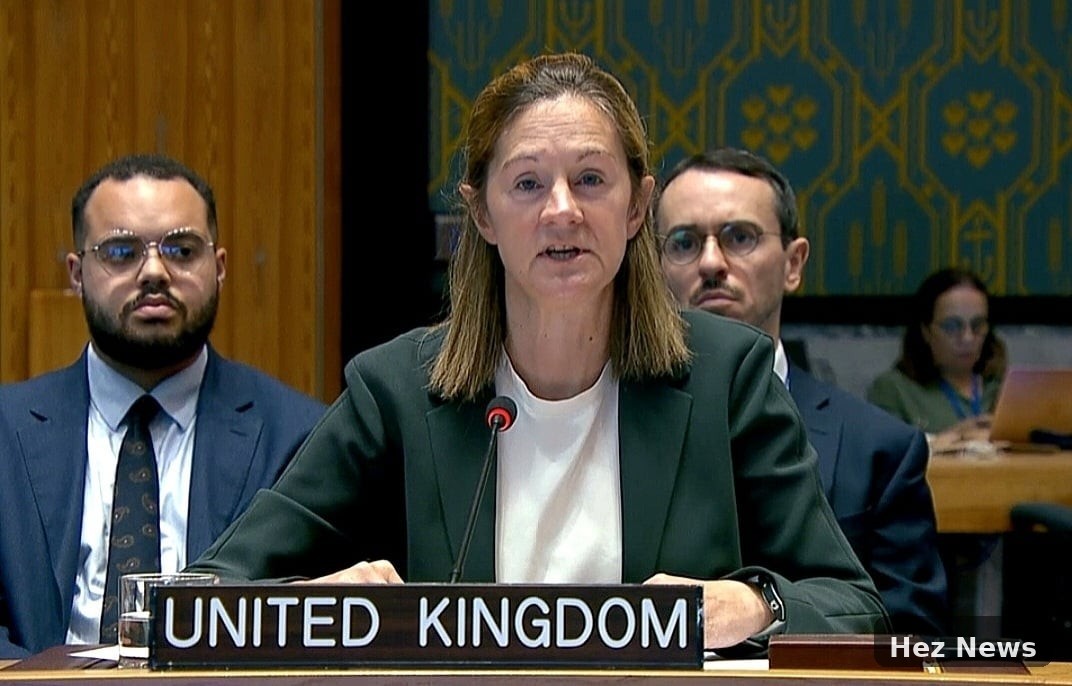
The United Kingdom has expressed a strong desire for a permanent African representation in the United Nations Security Council (UNSC). This call comes amid ongoing discussions about reforming the UNSC to better reflect the contemporary geopolitical landscape.
Significance of African Representation
For decades, African nations have argued that their interests and perspectives are underrepresented in the UNSC, a body that plays a critical role in maintaining global peace and security. Currently, the UNSC comprises five permanent members: the United States, Russia, China, France, and the United Kingdom, all of whom hold veto power. This structure has often been criticized for being outdated and not reflective of the current global power dynamics.
Implications for Nigeria and Africa
With Nigeria being one of the largest economies and most populous countries in Africa, the push for permanent representation resonates strongly within its political landscape. Analysts suggest that a permanent seat could enhance Nigeria's influence on global issues, particularly concerning security in the West African region.
In recent years, Nigeria has taken a proactive role in peacekeeping missions and has been a vocal advocate for African interests on international platforms. Securing a permanent seat in the UNSC would not only elevate Nigeria's status but could also empower the African Union (AU) to play a more significant role in global governance.
Calls for Reform
The UK’s proposal echoes a larger movement among various nations and regional blocs advocating for UNSC reform. Many countries argue that the current structure favors historical powers and fails to address pressing contemporary issues such as climate change, terrorism, and human rights abuses.
In a recent statement, a UK government official emphasized that “a permanent African seat in the UNSC is not just a matter of equity; it is essential for effective global governance.” This sentiment has been echoed by several African leaders who believe that having a voice in decision-making processes is crucial for addressing issues that disproportionately affect the continent.
Challenges Ahead
Despite the support for reform, significant challenges remain in implementing these changes. The existing permanent members of the UNSC would need to agree on the expansion and the criteria for new permanent seats. Historical rivalries and differing national interests complicate these discussions.
Moreover, there are questions about how the new structure would function, particularly concerning the veto power, which many argue should be re-evaluated to prevent monopolization by a few nations.
Conclusion
The UK’s advocacy for a permanent African seat in the UNSC is a significant step towards recognizing the need for a more inclusive and representative global governance framework. For Nigeria and other African nations, this could mark a transformative moment in international relations, allowing for a greater say in issues that directly impact their societies.
As discussions continue, it remains to be seen how the international community will respond to these calls for reform. The outcome could redefine the dynamics of global security and governance in the years to come.

Leave a Comment