

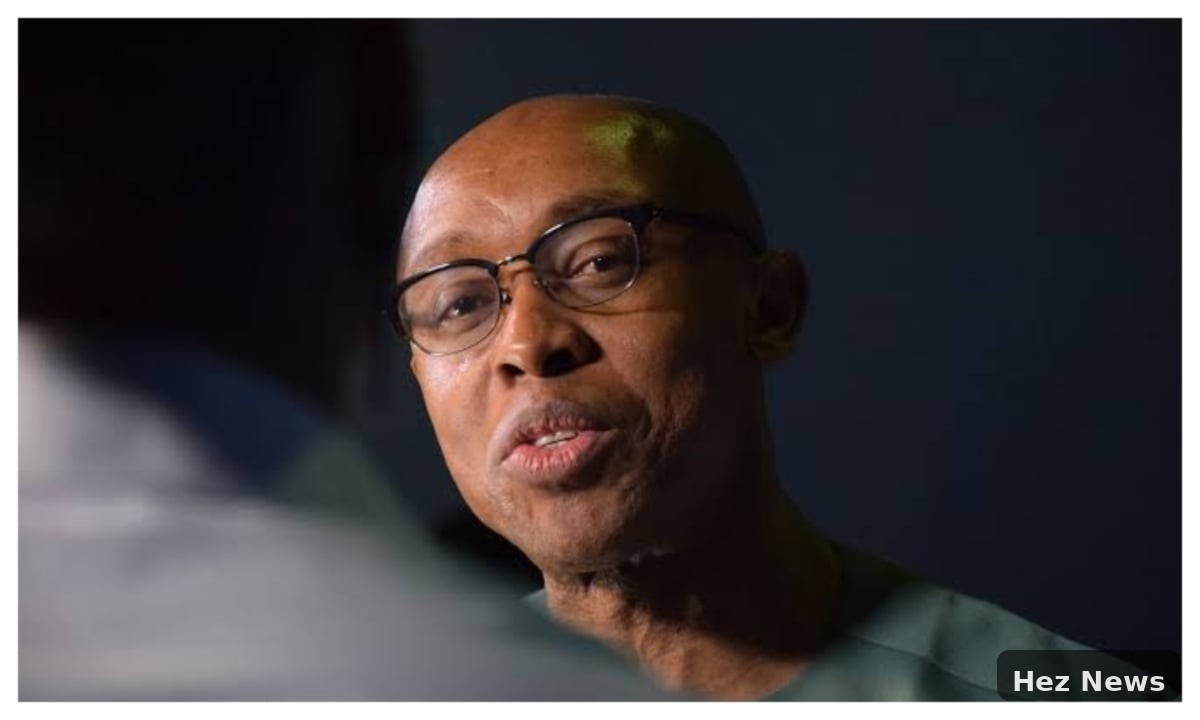
Chidi Odinkalu, the former Chairman of the National Human Rights Commission (NHRC), has raised concerns over the leadership approach of President Bola Tinubu and Vice President Kashim Shettima. In a recent statement, Odinkalu emphasized that both leaders have developed a troubling pattern of neglecting their responsibilities towards the nation.
Concerns About Leadership Commitment
Odinkalu's allegations reflect a growing sentiment among Nigerians who feel that their leaders are not fully committed to addressing the pressing issues facing the country. He pointed out that the actions of Tinubu and Shettima suggest a lack of engagement with the challenges that ordinary Nigerians encounter daily.
The Role of Leadership in National Development
Leadership in Nigeria is pivotal, especially as the country grapples with numerous socio-economic challenges. The President and Vice President are expected to provide direction and solutions to issues such as unemployment, insecurity, and infrastructural deficits. Odinkalu's comments serve as a reminder that effective leadership is not merely about holding office but about actively working to improve the lives of citizens.
Public Reactions and Expectations
The public response to Odinkalu's statements has been mixed. Many Nigerians resonate with his views, expressing frustration over perceived inaction by the current administration. Social media platforms have seen an influx of discussions regarding the accountability of leaders, and citizens are calling for greater transparency and responsiveness from their government.
Historical Context of Leadership in Nigeria
Nigeria has a history of leadership challenges, where elected officials sometimes prioritize personal interests over public welfare. This has resulted in a cycle of disillusionment among the populace, who often feel abandoned by those in power. Odinkalu's remarks tap into a broader narrative that seeks to hold leaders accountable for their promises and responsibilities.
The Path Forward
As the Tinubu administration continues its tenure, it remains crucial for the leadership to engage with the citizens actively. Listening to public concerns, implementing policies that address immediate needs, and restoring trust in government institutions are essential steps towards a more effective leadership model.
In conclusion, Chidi Odinkalu's observations about the leadership styles of President Tinubu and Vice President Shettima highlight the ongoing struggle for responsible governance in Nigeria. For the country to progress, it is imperative that its leaders prioritize their duties and work collaboratively with the public to foster a better future.


Leave a Comment