

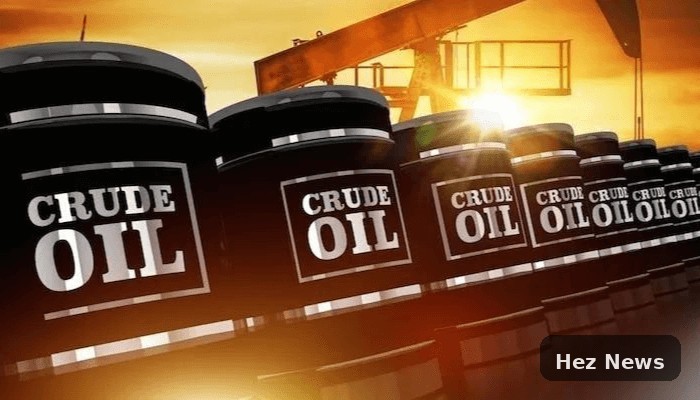
Global oil prices have witnessed a noticeable shift, with a 20% surge anticipated for the month, despite recent improvements in tanker traffic through the Strait of Hormuz. This development has led to a mixed sentiment in the oil markets as traders weigh supply concerns against the backdrop of geopolitical tensions.
Current Market Trends
On Friday, oil prices experienced a slight easing, reflecting the ongoing adjustments in the market. The Strait of Hormuz, a critical chokepoint for global oil supply, has shown signs of recovery in tanker movements. This improvement has alleviated some of the supply concerns that have plagued traders and investors alike.
Analysts are closely monitoring this situation, as the Strait of Hormuz is vital for transporting a significant portion of the world's oil. Any disruption in this region could have profound implications for oil prices globally, including in Nigeria, where the economy is heavily reliant on oil exports.
Nigeria's Oil Dependency
Nigeria, Africa's largest oil producer, remains highly sensitive to fluctuations in global oil prices. With the economy grappling with various challenges, including foreign exchange shortages and inflation, the oil sector's performance is crucial. A sustained increase in oil prices could provide much-needed revenue to the government, helping address some of the pressing economic issues.
However, the recent volatility in oil prices also poses risks. If prices rise too quickly, it could lead to increased operational costs for businesses and consumers alike, potentially stoking inflation further. This scenario is particularly concerning for the Nigerian populace, many of whom are already facing economic hardships.
Geopolitical Factors at Play
The recovery in tanker traffic through the Strait of Hormuz is primarily attributed to diplomatic efforts aimed at stabilizing the region. However, the geopolitical landscape remains complex, and ongoing tensions could still impact oil supply chains. Traders are advised to remain vigilant and consider the potential for sudden shifts in the market.
In addition, the dynamics between major oil-producing nations, including OPEC and non-OPEC countries, continue to influence market conditions. The decisions made by these entities regarding production levels will play a significant role in shaping future oil prices.
Conclusion
As we progress through the month, all eyes will be on the developments in the oil markets. While the current indicators suggest a positive trajectory for prices, the underlying uncertainties related to geopolitical tensions and market dynamics necessitate a cautious approach. For Nigeria, a stable and higher oil price could offer an opportunity for economic recovery, but it is essential to navigate these complexities with care.





Leave a Comment