

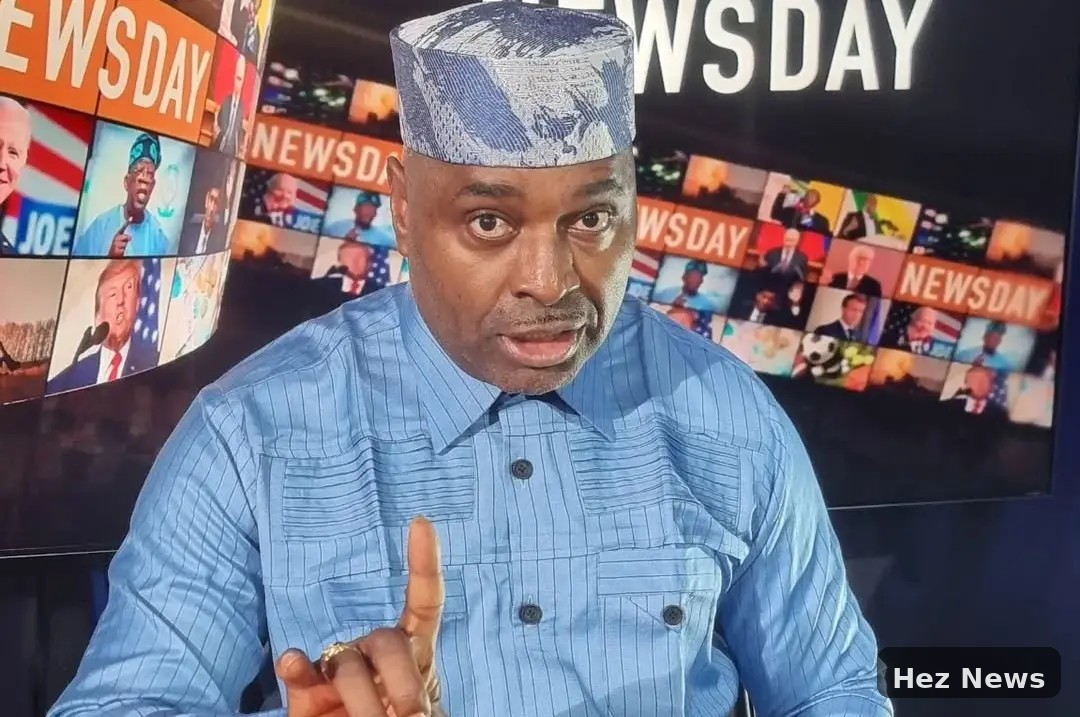
Kenneth Okonkwo, a prominent figure in the African Democratic Congress (ADC), has raised serious concerns regarding the recent campaign billboard fees imposed by the ruling All Progressives Congress (APC). He described the N150 million fee for presidential campaigns as a deliberate strategy to suppress opposition voices in the upcoming elections.
Context of the Campaign Fees
The political landscape in Nigeria has been increasingly competitive, with various parties vying for power ahead of the 2023 elections. In this context, the financial implications of campaigning have come under scrutiny. The APC's introduction of exorbitant fees for campaign billboards, including a staggering N200 million for presidential candidates, has led to accusations of elitism and a lack of inclusivity.
Okonkwo's Stance on the Fees
According to Okonkwo, such fees create an uneven playing field, where only well-funded candidates can afford to make their presence known. He emphasized that this practice not only undermines democratic principles but also stifles the voices of smaller parties and candidates who may not have access to significant financial resources.
“The imposition of these fees is a clear agenda by the APC to silence opposition,” Okonkwo stated in a recent interview. He urged the Independent National Electoral Commission (INEC) to intervene and ensure fair play in the electoral process.
The Implications for Democracy
The implications of such high fees extend beyond mere financial burdens; they threaten the very foundation of democracy in Nigeria. When only a select few can afford to campaign effectively, the representation of diverse perspectives is compromised. Okonkwo's remarks highlight a growing concern among political analysts and citizens about the health of Nigeria's democratic processes.
A Call for Re-evaluation
In light of these developments, there is a pressing need for a re-evaluation of the financial requirements set by political parties and regulatory bodies. Okonkwo’s call for more equitable policies resonates with many who believe that democracy should be accessible to all, regardless of financial standing.
As Nigeria approaches the elections, it remains to be seen whether the INEC will take action to address these concerns or if the current financial structures will remain in place, potentially skewing the electoral process in favor of the already privileged.
Conclusion
The debate surrounding campaign billboard fees is a reflection of broader issues within Nigeria's political system. As citizens prepare to cast their votes, the need for transparency, fairness, and inclusivity in the electoral process has never been more critical. Kenneth Okonkwo’s statements serve as a reminder of the ongoing challenges faced by opposition parties, and the importance of safeguarding democracy.



Leave a Comment