

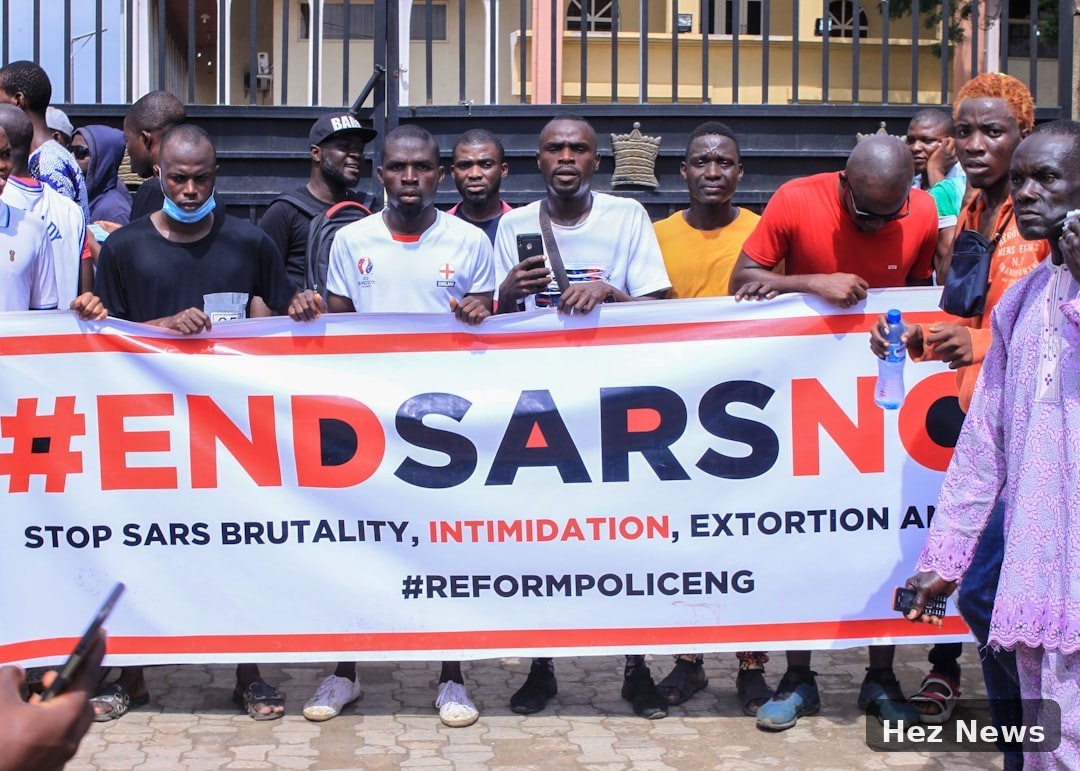
Kenneth Okonkwo, a prominent figure in the African Democratic Congress (ADC), has publicly criticized the National Assembly (NASS) for its inaction regarding the alleged PFIPC scandal. Okonkwo's remarks come amidst ongoing debates about accountability and transparency in Nigeria's political landscape.
Calls for Accountability
In a recent statement, Okonkwo expressed his disappointment with the NASS, emphasizing that the failure to interrogate key figures like President Bola Ahmed Tinubu and others implicated in the PFIPC scandal amounts to a severe rape of justice. He underscored the importance of holding leaders accountable, particularly in matters that could affect the country's governance and integrity.
The PFIPC Scandal Explained
The PFIPC (Public Funds Investment and Procurement Commission) scandal involves allegations of misappropriation of funds and lack of oversight in public procurement processes. This controversy has raised significant concerns among Nigerians regarding the ethical conduct of their leaders and the effectiveness of the National Assembly in performing its oversight duties.
Okonkwo argued that the lack of interrogation of individuals involved in this scandal sends a troubling message to the public. He stated, "If those in power are not held accountable for their actions, it erodes the trust that citizens have in our institutions. The NASS must act decisively to uphold justice and restore faith in our democracy."
Public Reaction and Implications
The public reaction to Okonkwo's statements has been mixed. Some citizens agree with his assessment, calling for greater transparency and accountability from their leaders. Social media platforms have been flooded with discussions on the need for the NASS to take a more proactive role in investigating such serious allegations.
On the other hand, some political analysts argue that the NASS is caught in a complex web of political affiliations and alliances, which may hinder its ability to act independently. Okonkwo’s call to action has reignited discussions surrounding the need for reforms within the assembly to ensure that it can effectively perform its duties without political bias.
Conclusion
The PFIPC scandal has become a litmus test for Nigeria’s commitment to justice and accountability at the highest levels of government. As the situation evolves, the eyes of the nation remain fixed on the National Assembly's next steps. Will they heed Okonkwo's call for action, or will the matter continue to be swept under the rug? Only time will tell.

Leave a Comment