

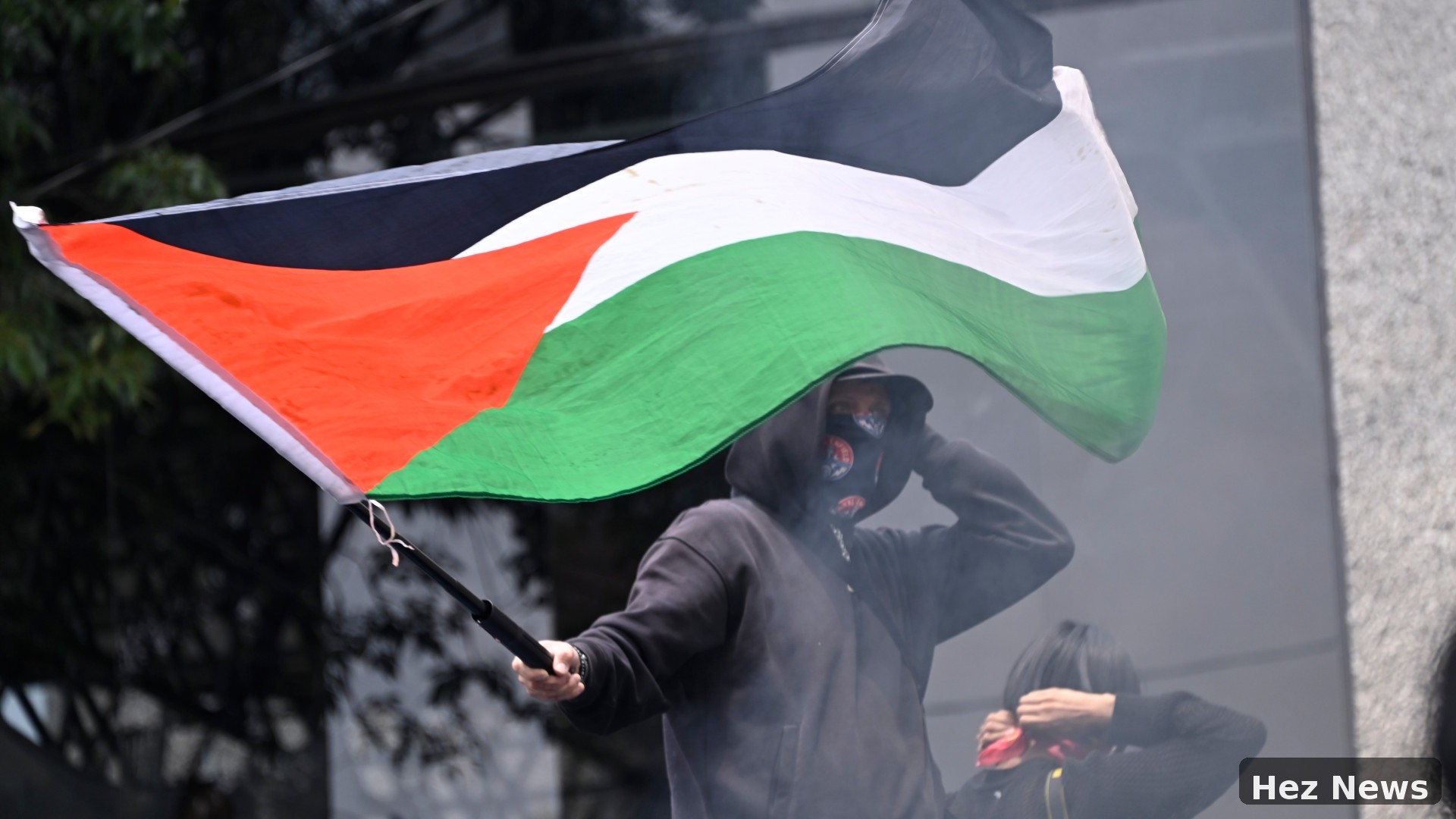
The recent Football World Cup highlighted global awareness of Palestine, despite its absence from the tournament. Activists utilized this platform to draw attention to the Palestinian cause, beginning with a powerful display of solidarity in Mexico City, where they formed a massive human flag.
Activism Takes Center Stage
During the match between Egypt and Iran held in Seattle, Palestinian flags were prominently displayed, signifying the ongoing support from various communities. This moment was more than just a sporting event; it was a reminder of the struggles faced by Palestinians and the importance of their story in the global narrative.
The Global Response
In recent years, the plight of Palestinians has garnered significant international attention. From protests to social media campaigns, there has been a noticeable shift in how the conflict is perceived. Activists have played a crucial role in reshaping this narrative, often focusing on human rights, dignity, and justice.
Nigeria's Perspective
For many Nigerians, the Palestinian struggle resonates deeply. The parallels between Nigeria's own history of colonialism and the ongoing fight for self-determination in Palestine are often drawn. This connection has spurred many Nigerian activists to support the Palestinian cause, recognizing that global solidarity is essential in the fight against oppression.
Who Tells the Story?
As the world watches, a critical question arises: who gets to narrate the story of Palestine? The narratives shaped by mainstream media often fail to capture the complexities of the situation, focusing instead on political angles rather than the lived experiences of the people. This has led to calls for more authentic representations that highlight the voices of Palestinians themselves.
Conclusion
As Palestine continues to seek recognition on the global stage, it is imperative that the narratives surrounding it are told with accuracy and empathy. The world is watching, and it is up to both activists and the media to craft a story that reflects the true essence of the Palestinian struggle for justice and peace.






Leave a Comment