

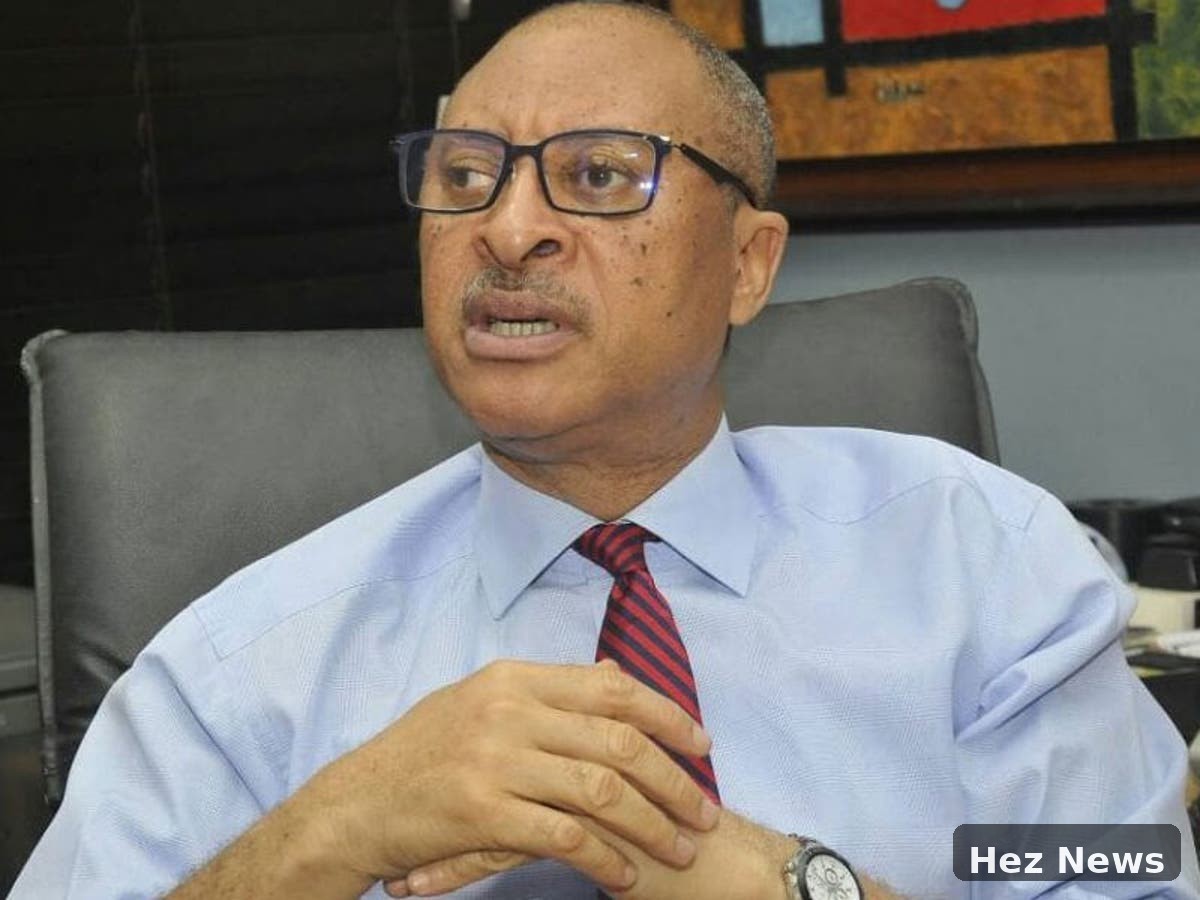
A prominent voice in Nigerian political discourse, Professor Pat Utomi, has expressed grave concerns regarding the current state of the nation under the leadership of President Bola Tinubu. According to Utomi, today's Nigeria is facing challenges that are reminiscent of the most difficult times during the regime of former military ruler, Sani Abacha.
Historical Context
During Abacha's rule from 1993 to 1998, Nigeria was marked by widespread human rights abuses and economic mismanagement. Although the country has transitioned to a democratic government, Utomi's comments suggest that many Nigerians feel that the current administration is failing to address the pressing issues that plague the nation.
Current Challenges
In recent years, Nigeria has grappled with numerous crises, including economic instability, escalating insecurity, and ongoing corruption. These persistent problems have led to a growing sense of disillusionment among the populace.
Utomi argues that the expectations for change and improvement in governance that many Nigerians had with the election of President Tinubu have not materialized. Instead, he claims that the situation has deteriorated, making the current climate even more concerning than during the previous military dictatorship.
Public Sentiment
The sentiments expressed by Utomi resonate with many citizens who feel that their voices are not being heard. Protests and public demonstrations have become a common sight as Nigerians demand accountability and better governance. The lack of basic amenities, growing unemployment rates, and a struggling education system have only fueled the anger and frustration of the masses.
Looking Forward
As Nigeria continues to navigate these challenging times, it is crucial for the government to engage with the populace and provide solutions to the myriad issues facing the country. Utomi’s remarks serve as a reminder of the need for strong leadership that prioritizes the well-being of all Nigerians.
In conclusion, while the comparison to the Abacha era may seem drastic, it underscores the urgency for change and improvement in Nigeria's governance. As citizens continue to voice their concerns, it is imperative for leaders to take heed and work towards a brighter future for the nation.




Leave a Comment