

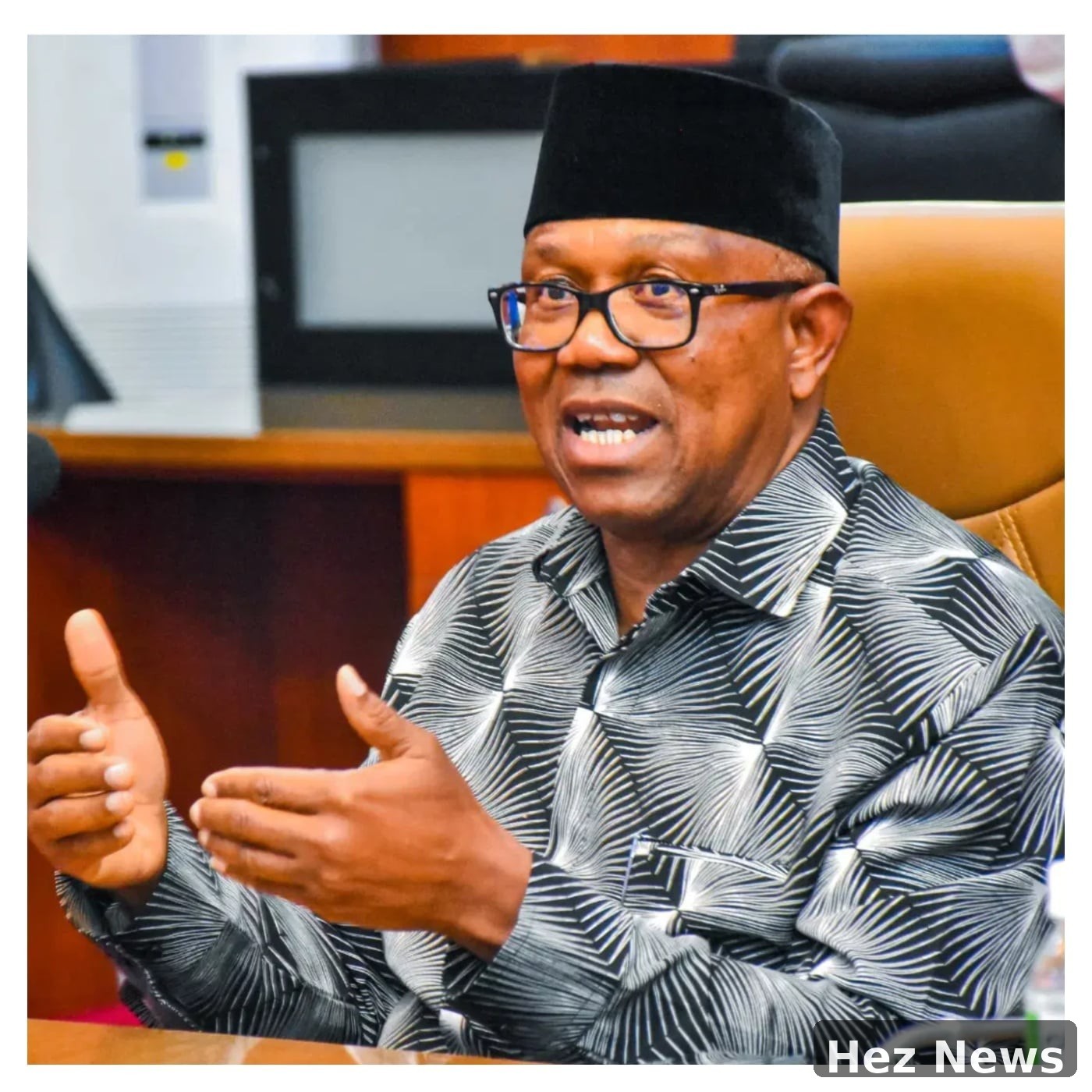
The Nigeria Democratic Congress (NDC) presidential candidate, Peter Obi, has expressed his concern over the ongoing security crises in Zamfara and Niger states. In a recent statement, Obi emphasized that he would not remain in the comfort of Abuja while states are experiencing significant turmoil and distress.
Obi's Commitment to Affected States
During his address, Obi highlighted the grave situation in these regions, where citizens are facing threats from banditry and violence. He stated, “It is unacceptable for any leader to ignore the suffering of their people. I cannot be in Abuja while my fellow Nigerians in Zamfara and Niger are bleeding.” This statement resonates with his campaign’s focus on addressing pressing social issues and ensuring that leadership is grounded in empathy and active participation.
The Situation in Zamfara and Niger States
Zamfara and Niger states have been grappling with rising insecurity, as armed groups have perpetrated multiple attacks, leading to loss of lives and displacement of thousands. The federal and state governments have been criticized for their inability to restore peace effectively. Obi's remarks come at a time when many Nigerians are calling for a more hands-on approach from their leaders in dealing with such crises.
Calls for Action and Accountability
Obi's position is a call to action for political leaders to prioritize the safety and security of their citizens. He urged other candidates and leaders to visit affected areas, listen to the grievances of the people, and take immediate steps to alleviate their suffering. This approach is not only about addressing security concerns but also about restoring hope and trust in governance.
Public Response and Political Implications
The public response to Obi's statement has been largely supportive, with many expressing appreciation for his willingness to confront uncomfortable realities. Comments on social media platforms reflect a growing desire among citizens for leaders who are not only aware of the issues but are also willing to engage directly with impacted communities.
As the 2023 elections approach, Obi's stance may resonate with voters who prioritize security and humanitarian concerns, potentially influencing the political landscape in Nigeria.
Conclusion
Peter Obi's declaration illustrates a critical aspect of Nigerian politics: the need for leaders to be present and active in addressing the needs of their constituents. His refusal to remain passive while crises unfold can serve as a model for future leadership. As the nation watches, the hope is that more leaders will echo his sentiments and take decisive action to ensure the safety and well-being of all Nigerians.

Leave a Comment