

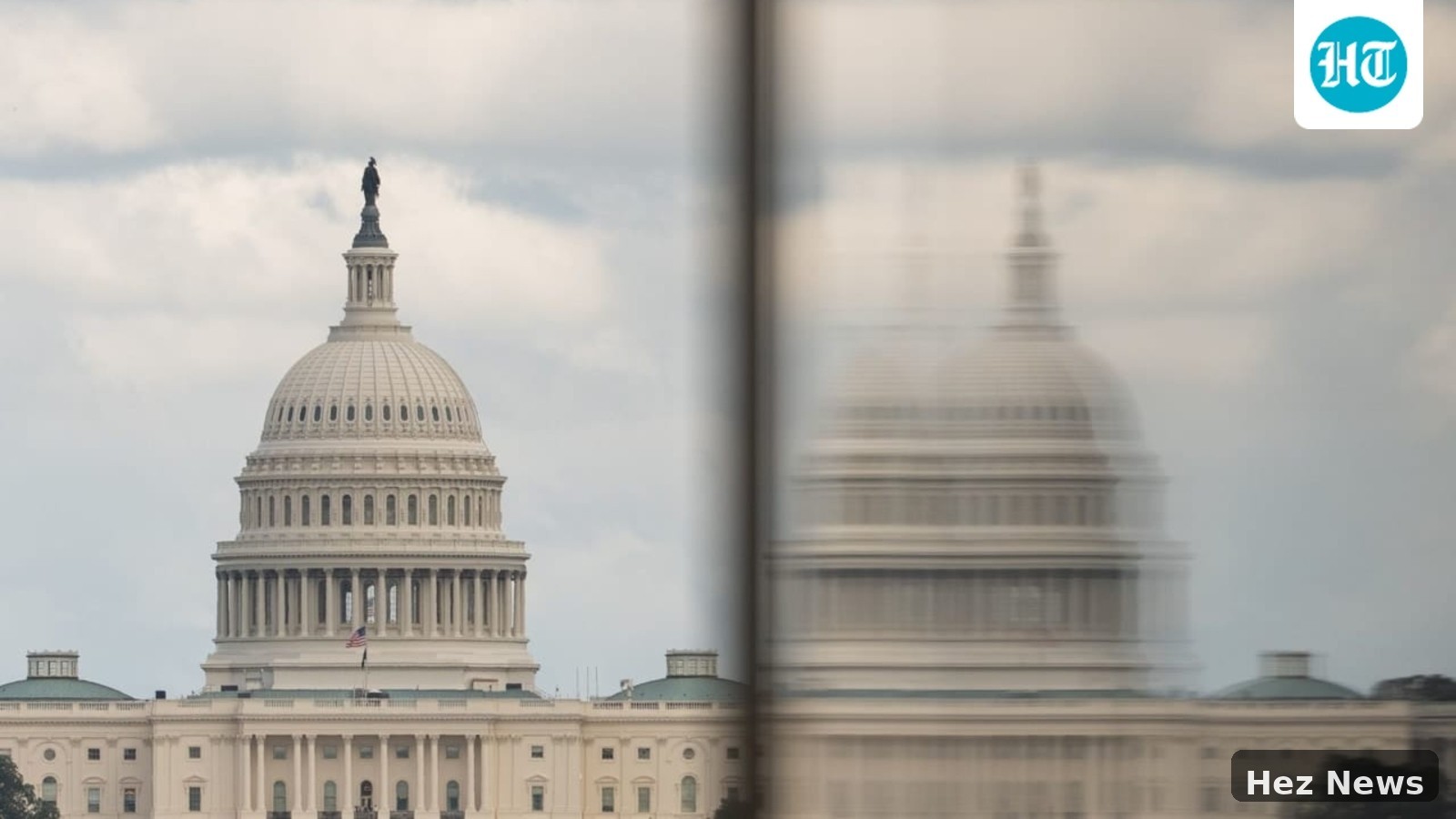
The political landscape in the United States is undergoing significant scrutiny as several high-profile politicians grapple with ethical scandals, prompting discussions about accountability and integrity in governance. In recent months, allegations against key figures have raised questions about their fitness to serve, echoing concerns that resonate even within Nigeria's political sphere.
Chuck Edwards Withdraws from Re-Election Race
Rep. Chuck Edwards (R., N.C.) has recently announced his withdrawal from the upcoming re-election campaign, a decision fueled by his involvement in an ethics scandal. Edwards' situation highlights the growing intolerance for misconduct among politicians, as voters demand transparency and ethical behavior from their representatives.
Eric Swalwell Resigns Amid Sexual Misconduct Allegations
Similarly, Rep. Eric Swalwell (D., Calif.) resigned from Congress just a few months ago, facing mounting allegations of sexual misconduct. Although Swalwell has denied the accusations, the pressure from constituents and fellow lawmakers ultimately led to his decision to step down. This incident underscores the critical need for accountability in political office, a sentiment that is particularly relevant in Nigeria where corruption remains a significant issue.
Implications for Nigerian Politics
As these American politicians face consequences for their actions, it raises an important question for Nigeria: are our own leaders prepared to face similar scrutiny? In a country where political corruption is often tolerated, the events in the U.S. may serve as a catalyst for change in Nigeria. Citizens are increasingly demanding that their leaders adhere to ethical standards, and the global focus on political integrity could inspire local movements for reform.
The Global Call for Political Integrity
The challenges faced by politicians like Edwards and Swalwell reflect a broader global trend where voters are no longer willing to accept unethical behavior. In Nigeria, where political scandals frequently dominate the news cycle, the public's reaction to these events in the U.S. could be the impetus for a more robust demand for accountability.
As the political climate evolves, it is crucial for Nigerian citizens to remain vigilant and engaged. The lessons learned from international cases should inform local activism and advocacy for stronger ethical standards in government. Only through sustained pressure and engagement can the tide of corruption be turned, ensuring that politicians serve the interests of the people rather than their own.




Leave a Comment