

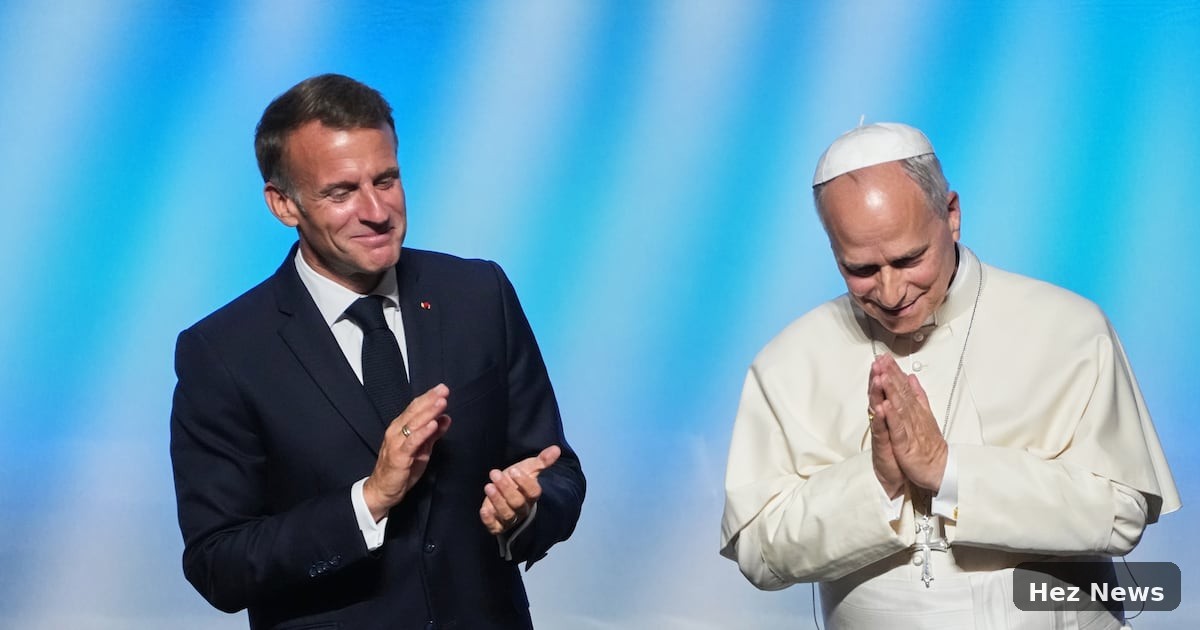
In a poignant address delivered in Metz, France, Pope Leo XIV emphasized the importance of Christian values as a guiding force for Europe to counteract the desire for domination that fuels modern conflicts. His remarks came at the conclusion of a significant visit to France, where he highlighted the need for deeper dialogue among nations.
The Call for Reflection
The Pope's speech resonated with historical context, reminding Europe of its rich Christian heritage. He urged European leaders to reflect on their roots and foster a culture of peace and dialogue. This message is particularly relevant in a world where conflicts often arise from a struggle for power and control.
Connecting with the Nigerian Audience
For Nigerians, the Pope's message underscores the universal quest for peace and stability. Nigeria, a nation marked by its own challenges relating to religious and ethnic tensions, can draw inspiration from the Pope's call for unity and understanding. The need for dialogue and compassion is not just a European concern; it is a vital aspect of Nigeria's ongoing journey towards peace.
Addressing the Modern Landscape
Pope Leo XIV pointed out that the contemporary thirst for domination has led to numerous wars and conflicts globally. He argued that the teachings of Christianity—such as love, forgiveness, and community—should serve as a foundation for addressing these issues. In Nigeria, where various groups often vie for power, embracing these values could help mitigate conflicts and foster a more harmonious society.
A Vision for Future Generations
In his address, the Pope called on current and future leaders to prioritize dialogue over conflict. He stressed that the legacy they leave behind will shape the world for generations to come. This sentiment resonates with the younger generation in Nigeria, who are increasingly vocal about the need for peace and unity in the face of divisive politics.
Conclusion
The Pope’s visit and his message serve as a timely reminder of the role that faith and dialogue can play in promoting peace. As Nigeria continues to grapple with its own issues of governance and social cohesion, the lessons drawn from the Pope’s address can contribute to a broader understanding of how to build a more inclusive future.



Leave a Comment