

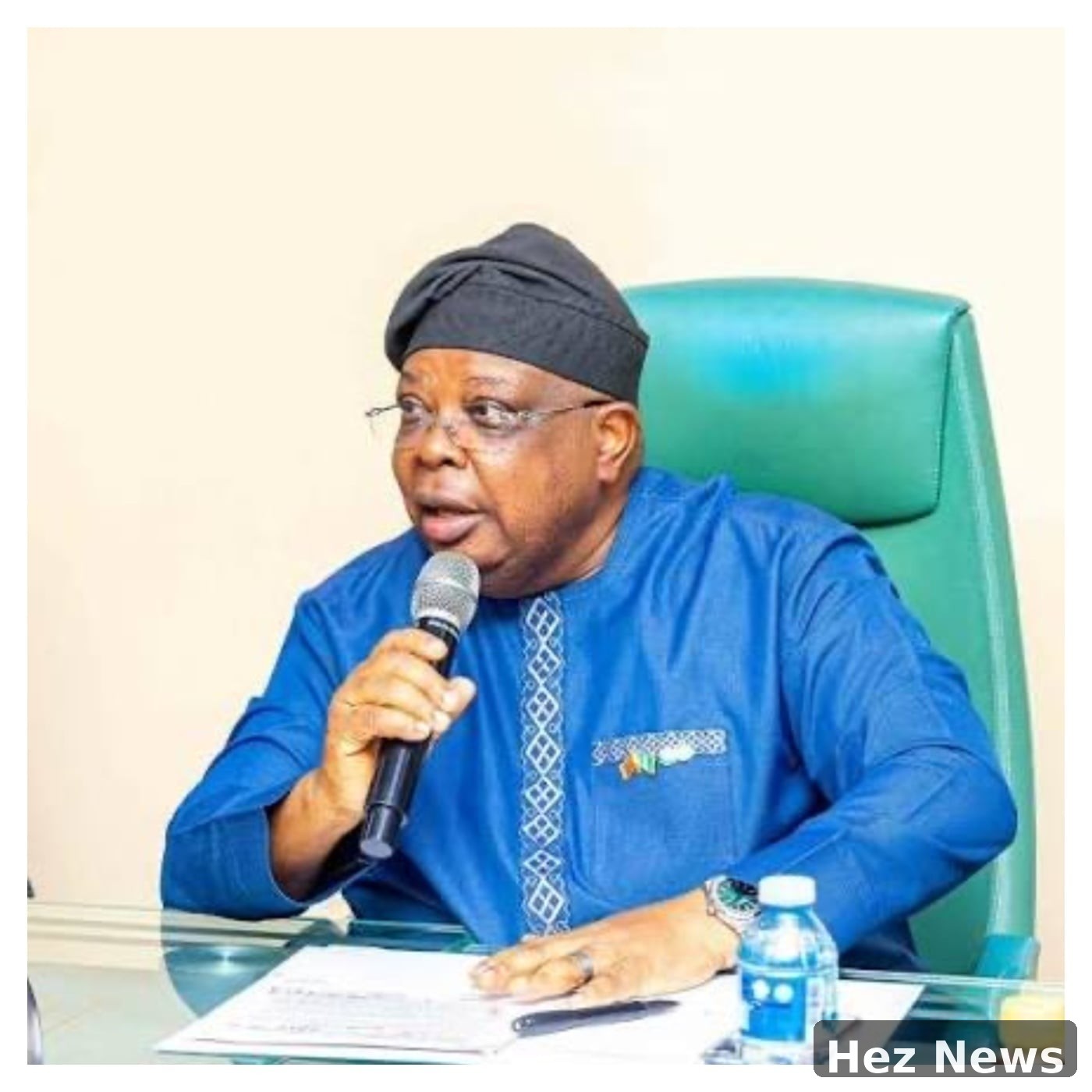
The Nigerian Minister of Power, Joseph Tegbe, has highlighted a significant challenge facing the country's power sector: lack of coordination. This issue, according to the Minister, is a major factor contributing to the inconsistent and unreliable electricity supply experienced by many Nigerians.
Understanding the Power Sector's Challenges
For years, Nigeria has grappled with a power supply crisis that has left millions without consistent electricity. This situation is often exacerbated by operational inefficiencies, poor infrastructure, and inadequate investment in the sector. Tegbe's recent remarks shed light on a critical aspect that has been overlooked in discussions about power supply—coordination among various stakeholders.
The Role of Coordination in Power Supply
The Minister emphasized that issues stemming from poor coordination among different agencies involved in the power sector are stifling progress. He pointed out that without a cohesive strategy and collaboration, efforts to enhance electricity generation and distribution will continue to fall short.
“We need to work together to address these coordination gaps,” Tegbe stated. “It is essential for all stakeholders to align their objectives and strategies to ensure that we can provide a reliable power supply to all Nigerians.”
Impact on Nigerians
The lack of reliable electricity has far-reaching implications for both individuals and businesses. Families often struggle with daily tasks and education due to frequent power outages, while businesses face significant operational challenges, leading to losses and reduced competitiveness.
Moreover, the absence of a stable power supply hampers economic growth and development, as investors are often reluctant to invest in regions plagued by power instability.
Government Initiatives and Future Steps
In response to these challenges, the government has initiated several programs aimed at improving the power supply. These include partnerships with private sector players, investment in renewable energy sources, and infrastructural upgrades. However, without addressing the core issue of coordination, the impact of these initiatives may be limited.
The Minister urged all stakeholders, including state governments and private investors, to collaborate more effectively. “We must unite our efforts to build a better power sector that serves the needs of all Nigerians,” he concluded.
Conclusion
As Nigeria continues to seek solutions to its power supply challenges, the need for improved coordination among stakeholders remains critical. By addressing these gaps, the country can make strides towards achieving a more reliable electricity supply, ultimately enhancing the quality of life for its citizens and fostering economic growth.




Leave a Comment