

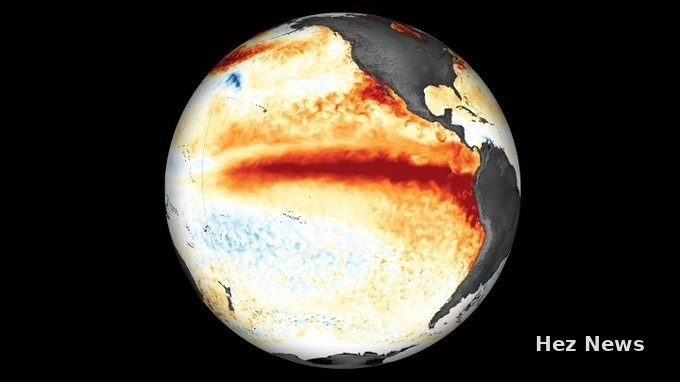
As the world grapples with climate change, a recent report from Science News has revealed that the current El Niño phenomenon has reached unprecedented levels. This year's El Niño is considered the strongest ever recorded, characterized by a significant rise in sea-surface temperatures in the central and eastern equatorial Pacific.
Understanding El Niño
El Niño is a climatic event that occurs every few years, leading to warmer ocean temperatures in the Pacific, which can drastically affect global weather patterns. Typically, this phenomenon results in increased rainfall in some regions and droughts in others. The implications for countries like Nigeria can be profound, impacting agriculture, water supply, and overall economic stability.
Current Developments
On September 21, measurements indicated that sea-surface temperatures in the affected regions soared by over 3.08 degrees Celsius above average. This spike is alarming, as it suggests that the current El Niño is not only strong but may also lead to severe weather anomalies globally.
Impact on Nigeria
Nigeria, being highly dependent on agriculture, faces potential threats from such climatic shifts. The country is already experiencing unpredictable weather patterns, and a strong El Niño could exacerbate these challenges. Farmers may find it increasingly difficult to predict rainfall patterns, leading to crop failures and food insecurity.
Global Perspectives
Economist Sanjeev Sanyal has highlighted the significance of the current El Niño, noting that its unprecedented nature could have ripple effects beyond just weather. Economically, countries that rely on consistent weather patterns for agriculture may face increased challenges, further stressing global food supplies.
Looking Ahead
As scientists continue to monitor this trend, it is essential for Nigerian policymakers and farmers to prepare for potential impacts. Investing in resilient agricultural practices and improving water management systems could mitigate some of the adverse effects of this climatic event.
In summary, the record-breaking intensity of the current El Niño serves as a stark reminder of the urgent need for climate adaptation strategies, especially in vulnerable regions like Nigeria. The situation emphasizes the interconnectedness of global weather systems and the need for collaborative efforts to address climate change.




Leave a Comment