

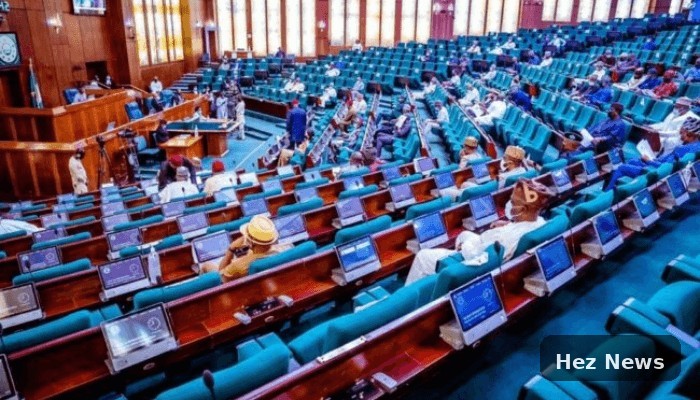
The House of Representatives has initiated an investigation into the Nigerian National Petroleum Company Limited (NNPCL) and several oil firms regarding a staggering N432 billion in unpaid regulatory obligations. This inquiry underscores the ongoing challenges within Nigeria’s oil sector, which has been grappling with financial discrepancies and accountability issues.
Background of the Investigation
This latest probe comes in the wake of persistent concerns about the management of oil revenues and the compliance of operators within the industry. The NNPCL, along with various oil companies, has faced mounting pressure from both the government and the public to fulfill their financial responsibilities.
The Implications of Unpaid Debts
Unpaid debts in the oil sector have significant implications for Nigeria’s economy. The oil industry is a critical component of the country's revenue generation, contributing over 90% of foreign exchange earnings. Therefore, the failure to collect these dues could hinder government operations and essential public services.
Calls for Accountability
Members of the House expressed their commitment to ensuring that all relevant parties are held accountable. “We must ensure that these companies adhere to their financial obligations,” said a prominent lawmaker during the session. The inquiry aims not only to recover the debts but also to establish a framework for better compliance in the future.
Industry Reactions
Industry stakeholders have reacted with mixed feelings to the inquiry. Some have welcomed the investigation as a necessary step towards transparency, while others argue that it could deter foreign investment in an already struggling sector. The outcome of this investigation could set a precedent for how regulatory obligations are enforced in the future.
Next Steps in the Inquiry
The House committee will be conducting hearings, where officials from the NNPCL and the implicated oil firms will be summoned to provide explanations and justifications for the outstanding debts. The committee's findings are expected to be presented in subsequent sessions, paving the way for potential policy changes aimed at improving financial accountability in the oil sector.
This inquiry is a crucial reminder of the need for significant reforms within the industry to ensure that Nigeria can maximize its oil wealth for the benefit of all citizens.

Leave a Comment