

The issue of cost escalation in the nuclear power sector is not limited to any one region; it is a challenge faced globally, including in Nigeria. While nuclear power is often touted as a clean energy source, the financial implications are increasingly coming under scrutiny.
Understanding Cost Escalation in Nuclear Projects
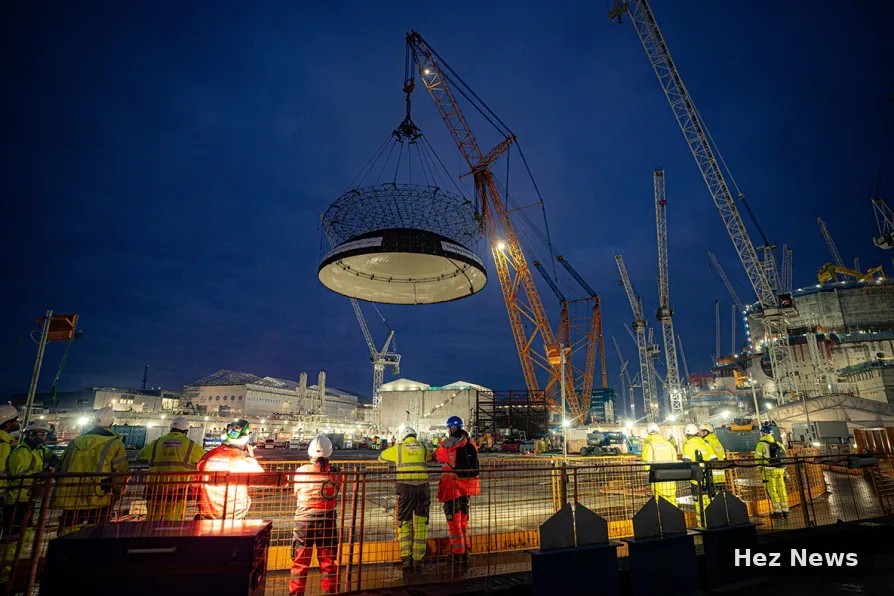
Cost increases in the nuclear industry can sometimes feel gradual, or as experts refer to it, cost creep. However, there are instances where these costs can spike dramatically, described as a cost leap. A notable example is the Hinkley Point C project in the UK, where initial estimates ballooned from $19 billion to a staggering $40 billion over time.
The Implications for Nigeria's Energy Sector
Nigeria, with its growing energy demands and ongoing power supply challenges, has been exploring nuclear energy as a viable option. The Nigerian government has been pushing for the development of nuclear power plants to diversify energy sources and ensure a more stable supply. However, the financial unpredictability seen in international projects raises questions about the feasibility of similar ventures in Nigeria.
Global Context and Lessons for Nigeria
The case of Hinkley Point C serves as a cautionary tale for nations considering nuclear energy. The project faced numerous delays and regulatory hurdles, contributing to its soaring costs. For Nigeria, learning from these international experiences is crucial. As the country moves forward with its nuclear ambitions, it must ensure robust planning and transparent cost assessments to avoid falling into the same traps.
Regulatory Framework and Oversight
A strong regulatory framework is essential for managing nuclear projects effectively. In Nigeria, the Nigerian Nuclear Regulatory Authority (NNRA) is tasked with overseeing the safe and secure use of nuclear energy. However, as the country embarks on these ambitious projects, enhanced oversight and international collaboration will be vital to mitigate risks associated with cost escalation.
Public Perception and Investment
Public perception of nuclear energy in Nigeria is mixed, with concerns about safety overshadowing the potential benefits. Addressing these fears through education and transparency will be crucial in garnering support for nuclear initiatives. Moreover, securing investments in the energy sector requires confidence not only in the technology but also in the financial management of projects.
Conclusion
As the global energy landscape evolves, the rising costs associated with nuclear energy pose significant challenges. For Nigeria, the journey toward nuclear power must be navigated with care, informed by international experiences, and underpinned by strong regulatory oversight. Only then can the country hope to harness the benefits of nuclear energy without succumbing to the pitfalls of financial mismanagement.





Leave a Comment