

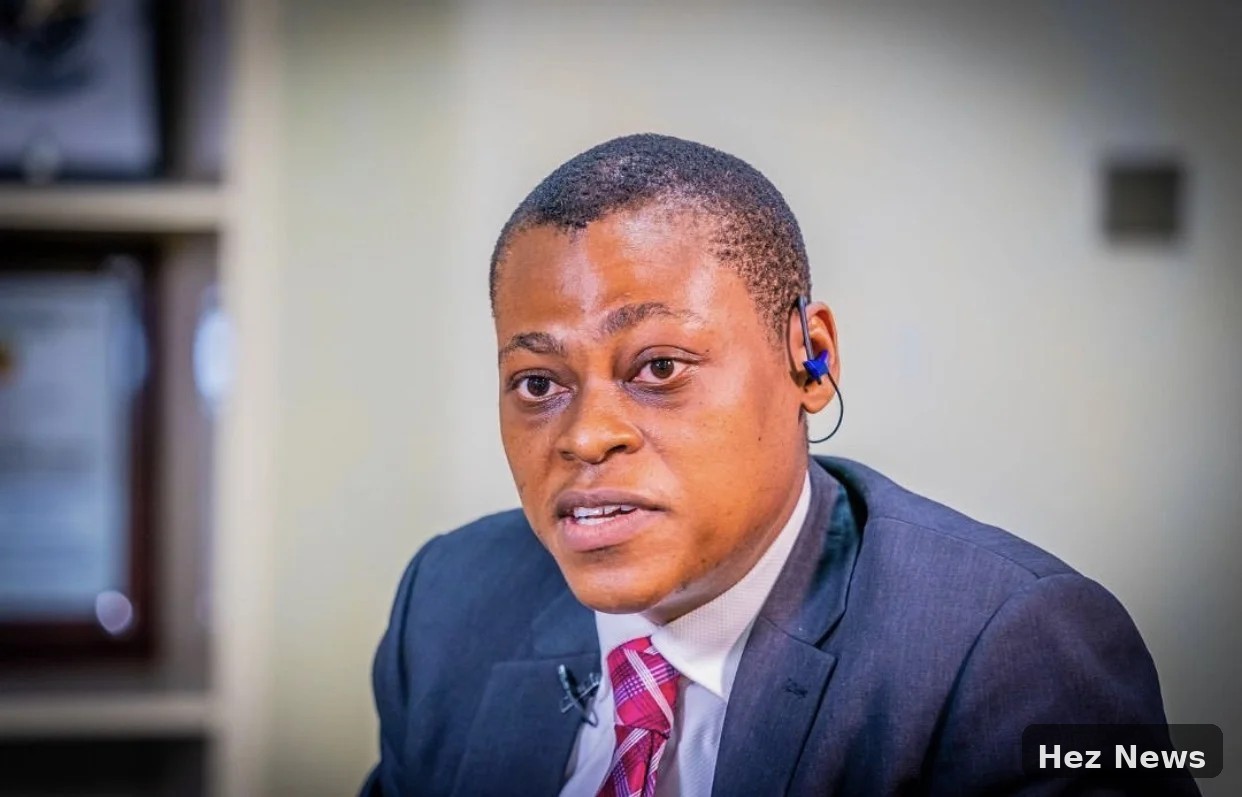
On Monday, during a segment on The Morning Show aired on Arise Television, anchor Rufai Oseni voiced his strong criticism of the ruling All Progressives Congress (APC) government led by President Bola Ahmed Tinubu. Oseni accused the administration of hypocrisy, highlighting a growing sentiment among Nigerians regarding the government's policies and actions.
Context of the Criticism
Oseni's remarks come at a time when many citizens feel disillusioned with the current leadership. The APC government, which came into power promising significant reforms and improvements in governance, has faced increasing scrutiny over its decisions and handling of national issues, particularly in economic management and security.
During the broadcast, Oseni pointed out several instances where the government appeared to contradict its own stated principles. He emphasized that the public's trust in the administration is waning, accusing officials of failing to uphold the values they campaigned on.
Public Reaction
The anchor's comments resonate with many Nigerians who have expressed similar frustrations on social media platforms. The issues raised by Oseni echo widespread concerns about the rising cost of living, unemployment rates, and insecurity challenges that have plagued the nation.
Oseni's call for accountability is not an isolated incident; it reflects a broader demand among the populace for transparency and integrity in governance. As citizens grapple with daily hardships, voices like Oseni's serve as a reminder of the responsibility that leaders have to their constituents.
Implications for Governance
The fallout from Oseni's statements could have implications for the APC as it navigates its governance strategy moving forward. As public sentiment shifts, the government may need to re-evaluate its policies and communication strategies to regain the trust of the people.
Furthermore, Oseni's criticism highlights the role of media personalities in shaping public discourse and opinion. As influential figures, they can galvanize public sentiment and hold leaders accountable for their actions.
Conclusion
As Nigeria continues to face various challenges, the call for integrity and accountability in governance remains paramount. Rufai Oseni's critique of President Tinubu's government is a reflection of the urgent need for leadership that truly represents the interests and values of its citizens.





Leave a Comment