


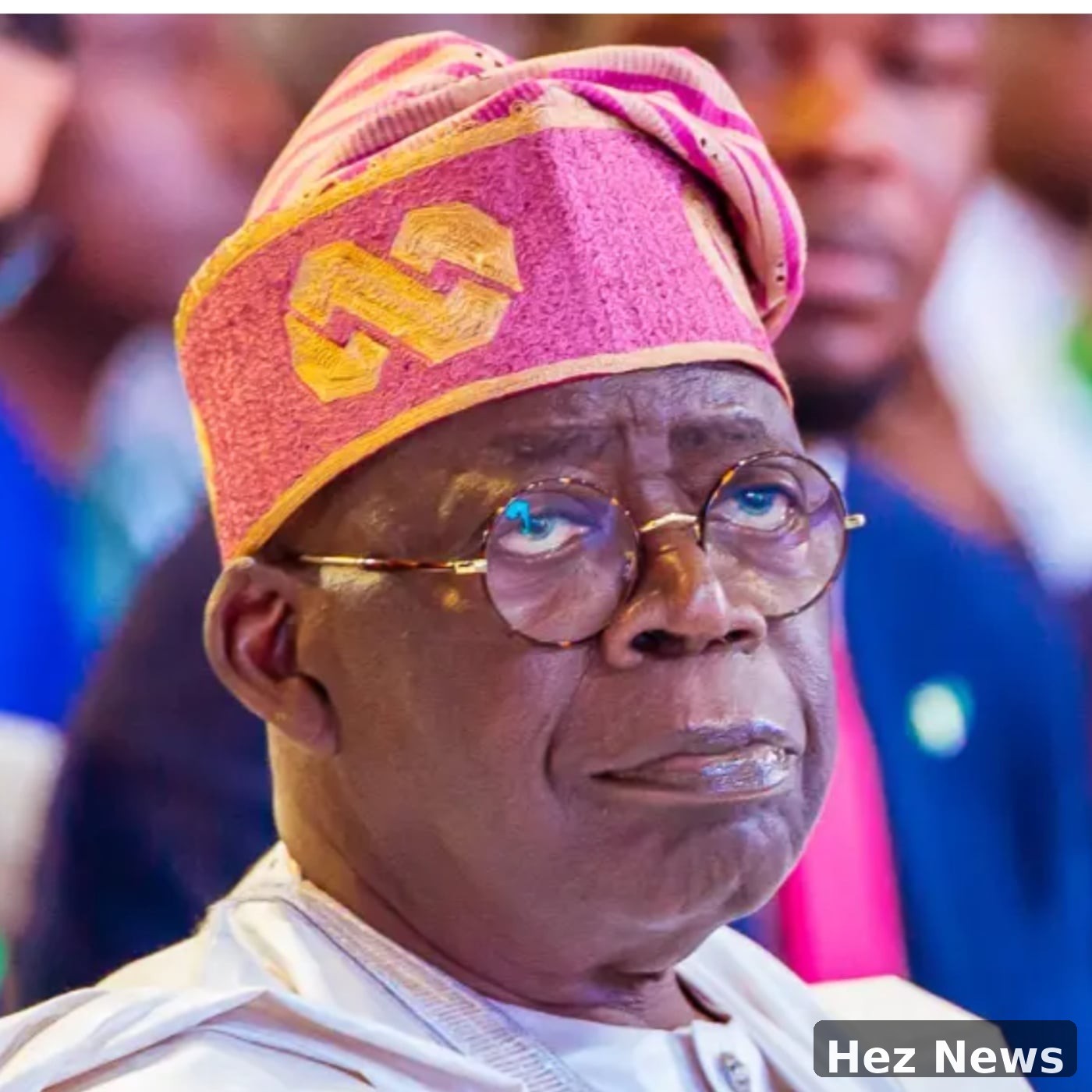
In a recent discussion on Arise Television, presenter Rufai Oseni provided insights into why the Federal Bureau of Investigation (FBI) may not disclose an unredacted version of its records regarding President Bola Ahmed Tinubu. This has become a focal point of controversy amidst ongoing discussions about Tinubu's past.
Background on the Allegations
The allegations surrounding Tinubu's alleged involvement in drug trafficking have circulated for years, contributing to a complex narrative regarding his political career. As the current president of Nigeria, these claims have resurfaced, especially with the heightened scrutiny of public officials' backgrounds.
According to Oseni, the reluctance of the FBI to release complete records stems from various legal and procedural factors. He highlighted that U.S. laws often protect sensitive information, especially when it involves ongoing investigations or could potentially jeopardize national security.
Legal Constraints and Implications
Oseni elucidated that the FBI operates under strict regulations that govern the dissemination of information. He noted that while Nigerians are eager for transparency, the agency must balance this with its obligation to protect certain data from public release. This situation is further complicated by the fact that foreign political figures are often subjected to different standards in terms of privacy and national security.
Moreover, the investigation into Tinubu's past is not merely a matter of public interest; it also involves intricate legal considerations that the FBI must navigate carefully. Oseni emphasized that these constraints should not be interpreted as an attempt to shield Tinubu from scrutiny, but rather as a reflection of the challenges inherent in international law enforcement.
Public Reaction and Political Context
The public's reaction to these revelations has been mixed. While some express frustration over the perceived lack of accountability, others understand the complexities involved in international law enforcement. This debate reflects broader concerns in Nigerian society about governance and the integrity of public officials.
As President Tinubu's administration continues to seek legitimacy both domestically and internationally, the implications of the FBI's findings—or lack thereof—will likely play a significant role in shaping public perception and political discourse in Nigeria.
Conclusion
In conclusion, Rufai Oseni's remarks shed light on a multifaceted issue that intertwines Nigerian politics with international law. As the country grapples with these allegations, the call for transparency remains strong, but it must be balanced with an understanding of the legal frameworks that govern such sensitive matters.


Leave a Comment