

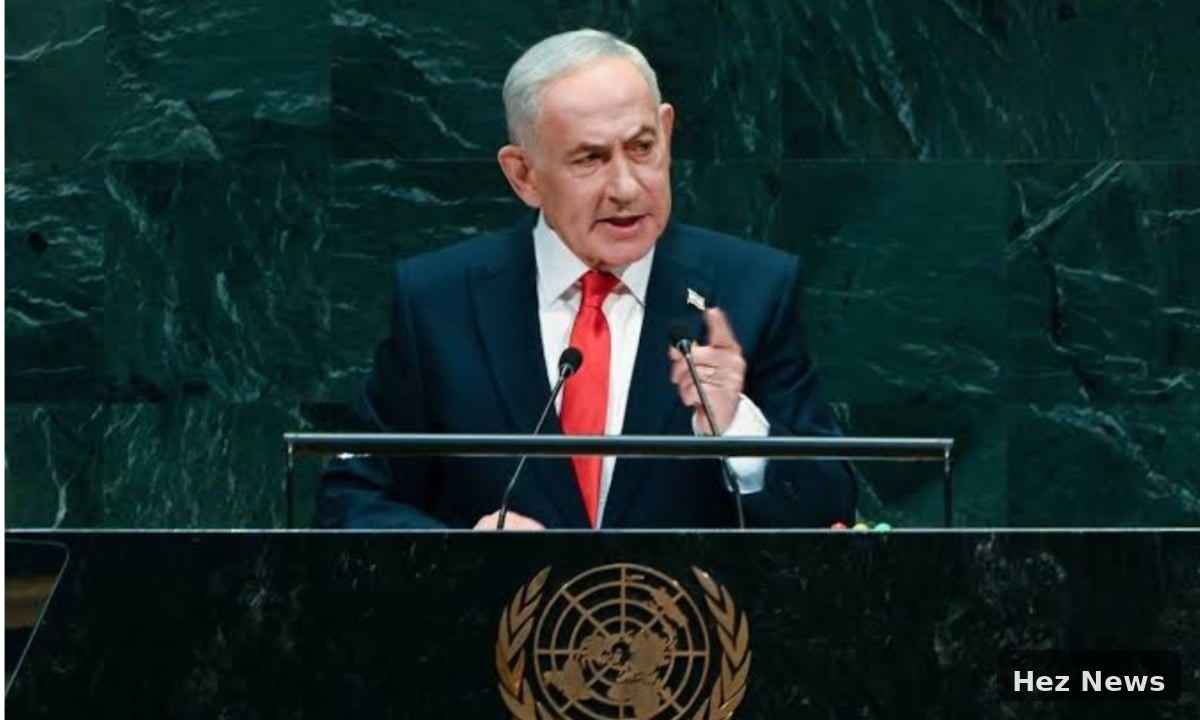
In a significant display of international solidarity, Saudi Arabia, India, and Iceland have come together to advocate for the urgent situation in Gaza. This development unfolded during the 81st United Nations General Assembly (UNGA 81), highlighting the ongoing crisis that continues to draw global concern.
Global Attention on Gaza
The plight of the people in Gaza has become a focal point in international discussions, especially as conflicts escalate in the region. The comments made by representatives from Saudi Arabia and India reflect a growing unease among nations regarding the humanitarian situation and the need for a peaceful resolution.
Saudi Arabia's Stance
Saudi Arabia has historically played a crucial role in Middle Eastern politics and has now reiterated its commitment to supporting the Palestinian cause. The Kingdom's delegation at UNGA 81 emphasized the importance of international cooperation to ensure peace and stability in Gaza. They urged the global community to take decisive action to alleviate the suffering of civilians, who are caught in the crossfire of ongoing conflicts.
India's Position
India, a nation with deep ties to both the Middle East and the Palestinian people, expressed its solidarity during the UNGA discussions. The Indian delegation underscored the need for a two-state solution, advocating for dialogue and negotiations that respect the rights of Palestinians while ensuring Israel's security.
Iceland's Critique of Netanyahu
In a more pointed critique, Iceland's representatives did not hold back in their condemnation of Israeli Prime Minister Benjamin Netanyahu. The Icelandic delegation accused Netanyahu's government of exacerbating the humanitarian crisis in Gaza through its military actions. This strong stance from Iceland represents a growing frustration among some nations towards what they perceive as a failure to address human rights violations in the region.
Nigeria's Role and Perspective
As Nigeria navigates its foreign policy, the developments in Gaza are particularly relevant given the nation's commitment to human rights and international peace. Nigerian officials have been closely monitoring the situation and may leverage their position in international forums to advocate for humanitarian assistance and diplomatic solutions.
The Nigerian public, increasingly aware of global issues, is likely to be supportive of actions that promote peace and humanitarian aid in conflict zones like Gaza. This solidarity is essential, as Nigeria continues to grapple with its own internal challenges while remaining engaged in global humanitarian efforts.
Conclusion
The events at UNGA 81 underscore the necessity for a robust international response to the ongoing crisis in Gaza. As Saudi Arabia, India, and Iceland rally for change, the world watches closely, hoping for a resolution that prioritizes the safety and dignity of civilians caught in conflict.



Leave a Comment