

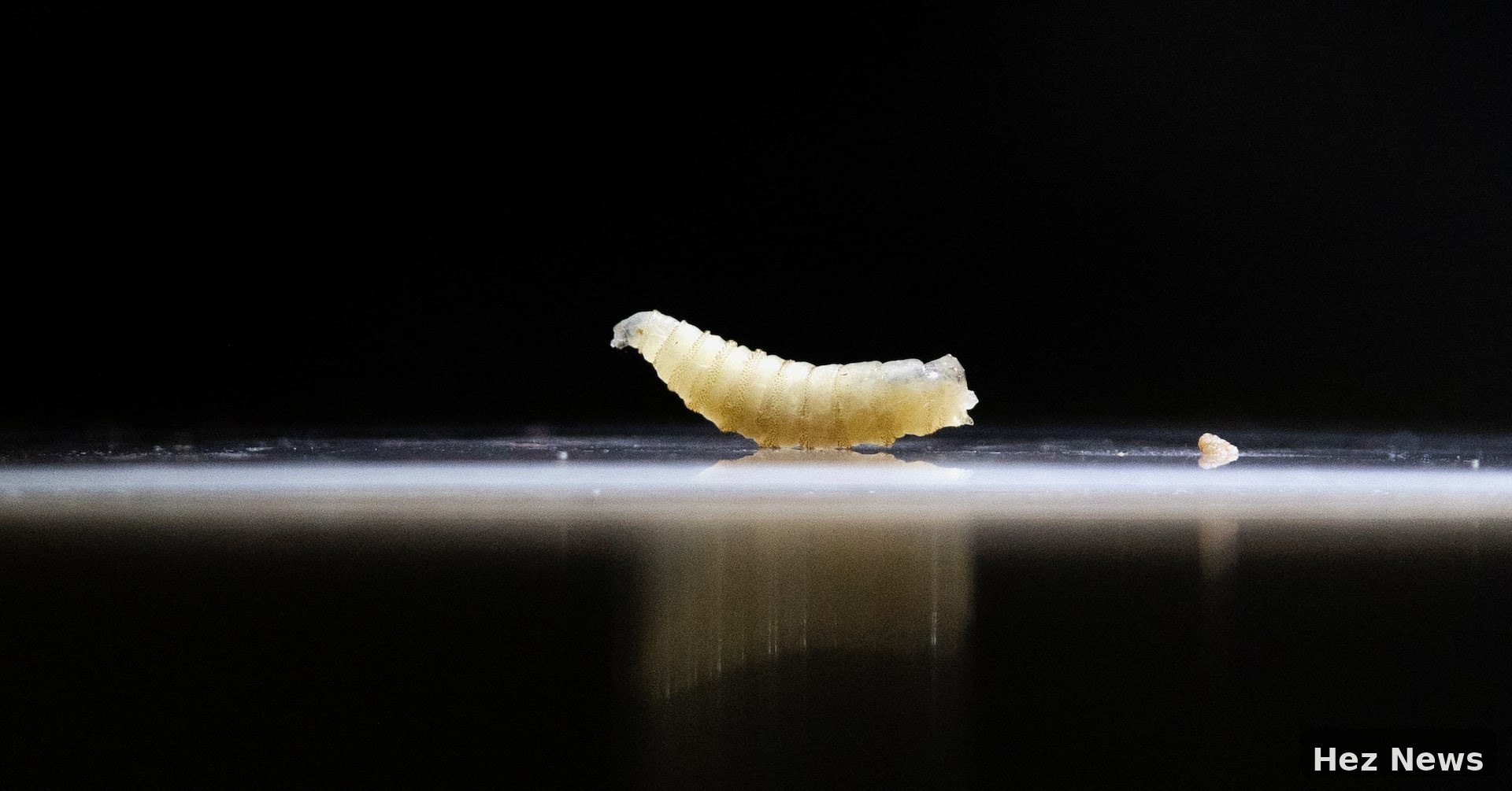
The recent confirmation of a New World screwworm infestation in a horse in New Mexico has raised alarm within the agricultural community as the United States prepares to reopen its borders to Mexican livestock imports.
Understanding the Screwworm Threat
The screwworm, a parasitic fly larvae, poses a significant threat to livestock, causing severe health issues that can lead to death if not treated promptly. This particular case, confirmed on September 17, serves as a reminder of the ongoing challenges faced by the livestock industry, not just in the U.S. but globally.
The Impact on Trade
In response to this outbreak, the U.S. federal government had previously suspended imports of livestock from Mexico. This decision aimed to prevent the potential spread of the infestation, which could have dire consequences for the agricultural sector, particularly in states like New Mexico that have close ties with Mexican ranchers.
As the U.S. prepares to lift the ban on imports, it is crucial for stakeholders to ensure that strict biosecurity measures are in place. The potential for screwworm to spread beyond its current location could have a lasting impact on both U.S. and Mexican livestock industries.
Implications for Nigeria
Nigeria, as one of Africa's largest livestock markets, must remain vigilant regarding animal health issues that could arise from international trade practices. While the immediate concern is in North America, the interconnected nature of the global livestock industry means that similar issues could arise locally.
With Nigeria's current initiatives to boost its agricultural exports, understanding and mitigating risks from diseases such as screwworm is essential. The country could learn from the U.S. experience by implementing robust animal health surveillance systems and biosecurity protocols to protect its livestock from potential outbreaks.
Conclusion
This incident serves as a crucial reminder of the importance of animal health in trade practices. As the U.S. prepares to reopen its borders to Mexican livestock, the agricultural community must be on high alert to prevent similar outbreaks from affecting local economies.





Leave a Comment