

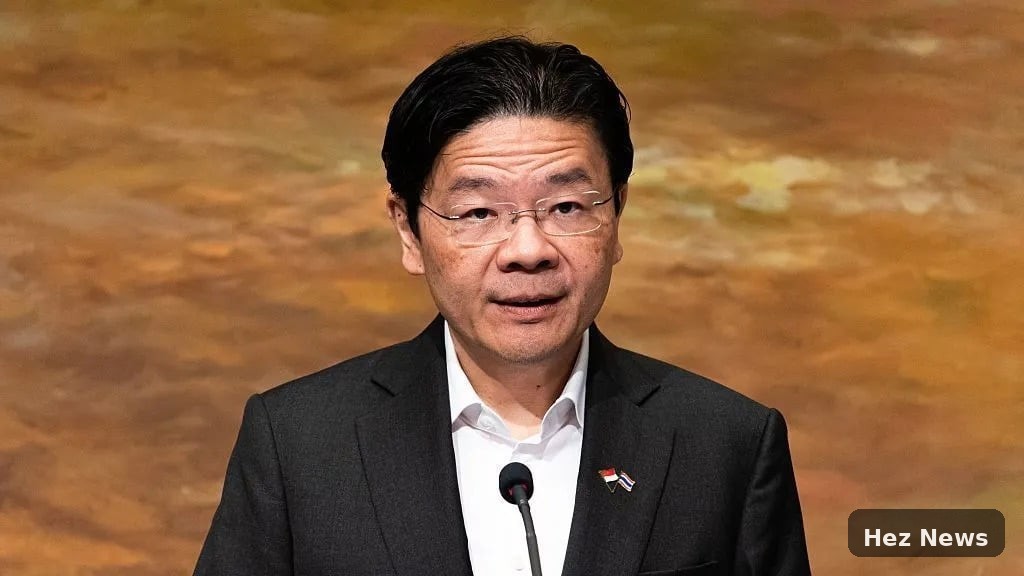
In a significant development, the Prime Minister of Singapore, Lawrence Wong, is poised to receive an annual salary increment of $1.1 million. This increase comes as part of a broader initiative by the Singaporean government to enhance the remuneration of its ministers and senior officials.
Context of the Salary Increase
The decision to raise salaries for top government officials reflects the government's ongoing commitment to attract and retain skilled leaders in a competitive global environment. In recent years, Singapore has made headlines for its robust economy and efficient governance, and the government believes that competitive compensation is crucial to maintaining high standards of leadership.
Implications for Governance
For Nigerians, this development may serve as a point of comparison in discussions about government salaries and public service compensation. In Nigeria, debates surrounding the remuneration of public officials are frequent, often highlighting the disparity between the salaries of government leaders and the average citizen's earnings.
As many Nigerians grapple with economic challenges, including inflation and unemployment, the news of a substantial pay rise for Singapore's leaders may raise questions about the priorities of governance in different contexts. How much is too much when it comes to public service salaries?
International Reactions
The announcement has elicited mixed reactions both domestically and internationally. Supporters argue that the increase is justified, citing Singapore’s impressive economic performance and the need for capable leaders to navigate complex global challenges. Critics, however, point out that such substantial increases could be viewed as disconnected from the realities faced by ordinary citizens, particularly in times of economic uncertainty.
Conclusion
As the world watches, the salary increase for Singapore's Prime Minister and his cabinet raises important questions about governance, accountability, and the relationship between public officials and the electorate. For Nigeria, where discussions about public service remuneration are ongoing, it may serve as a reminder of the need for transparency and fairness in compensation practices.
The implications of this decision will likely continue to be felt as Singapore positions itself as a leader in global governance while facing the challenges of maintaining public trust and accountability.





Leave a Comment