

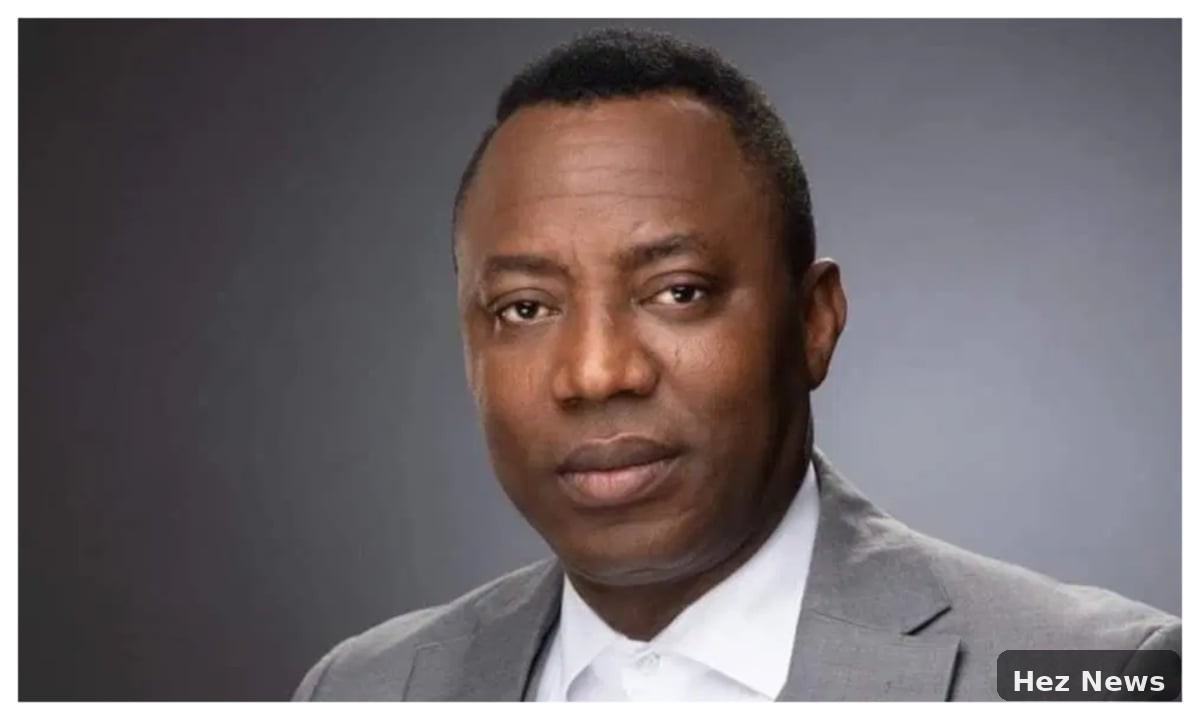
The presidential candidate of the African Action Congress (AAC), Omoyele Sowore, has made a bold declaration regarding the future of the First Lady's office in Nigeria. If elected as president in the upcoming 2027 elections, Sowore has committed to abolishing the Office of the First Lady, a move that he believes will streamline governance and eliminate unnecessary expenditures.
Context of the Statement
The role of the First Lady in Nigeria has often been a topic of debate. Critics argue that the position lacks constitutional backing and can lead to the misuse of public funds. Sowore's remarks come against the backdrop of increasing calls for accountability and transparency in governance, especially as Nigeria grapples with numerous socio-economic challenges.
Sowore's Vision for Nigeria
In his campaign, Sowore has consistently advocated for reforms aimed at enhancing democratic practices and reducing wasteful spending. By proposing to scrap the First Lady's office, he aims to redirect the funds that would have been allocated to it towards more pressing national issues such as healthcare, education, and infrastructure development.
This proposition resonates with many Nigerians who are frustrated with the current economic landscape and seek leaders who prioritize fiscal responsibility. Sowore has positioned himself as a candidate willing to make tough decisions for the betterment of the country.
Public Reaction
The public's reaction to Sowore's announcement has been mixed. Supporters praise his willingness to challenge traditional norms and advocate for financial prudence. However, some critics argue that the First Lady's role can play a significant part in social initiatives and charitable activities, which are often beneficial to communities.
As the 2027 elections approach, Sowore’s stance on the First Lady’s office will likely be a significant talking point in his campaign strategy. He has vowed to continue engaging with the electorate to understand their needs and priorities.
Conclusion
Omoyele Sowore's declaration to abolish the Office of the First Lady is a reflection of his broader commitment to reforming Nigeria’s political landscape. As the campaign heats up, it will be essential for voters to consider the implications of such changes and how they align with their visions for Nigeria's future.





Leave a Comment