

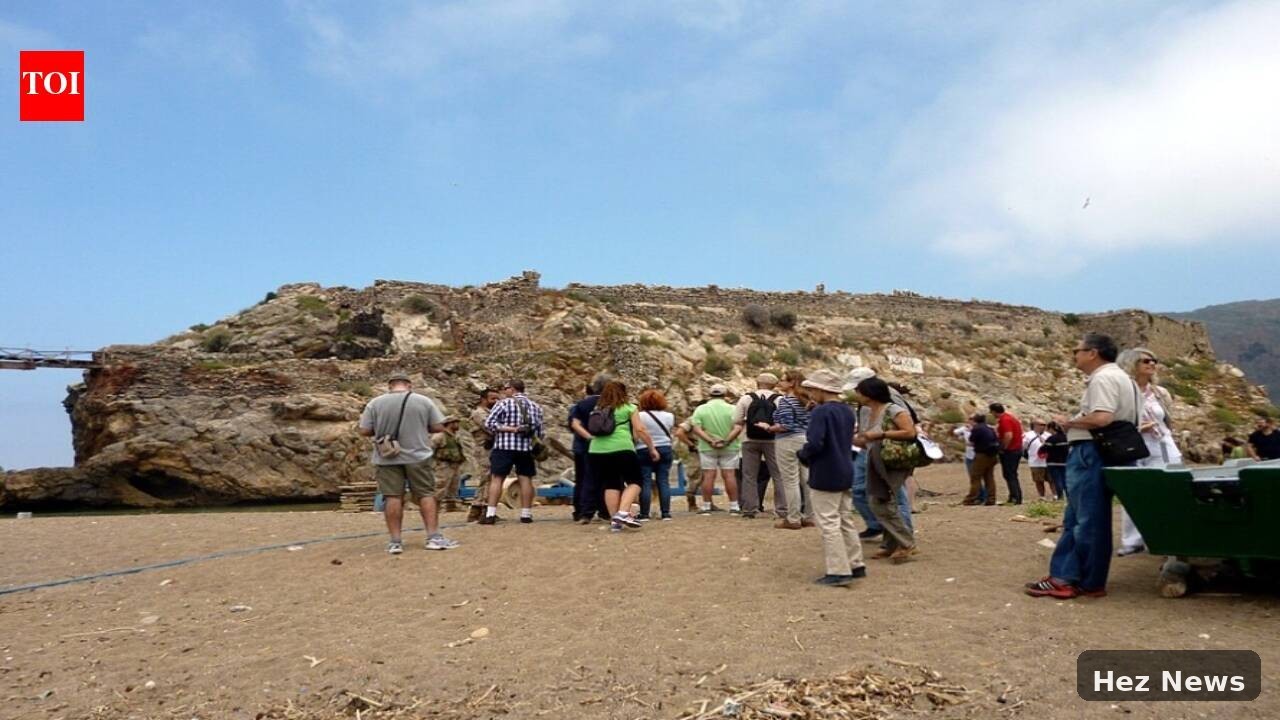
On the Mediterranean coast of Morocco lies Peñón de Vélez de la Gomera, a unique limestone peninsula that has become a focal point of international discussions regarding territorial sovereignty. This small landmass, measuring approximately 400 metres in length, is officially controlled by Spain, despite its physical proximity to Moroccan territory.
Geopolitical Significance
Peñón de Vélez de la Gomera is not just a rock; it represents a significant aspect of colonial history and ongoing diplomatic relations between Spain and Morocco. The territorial dispute over this peninsula highlights the complexities of European colonial legacies in Africa and raises questions about national sovereignty and self-determination.
For Nigeria, a nation that has its own history of colonial rule and struggles for territorial integrity, the issues surrounding Peñón de Vélez resonate deeply. The geopolitical dynamics in this region can serve as a case study for understanding the broader implications of colonialism and its lingering effects on modern-day politics.
Historical Context
Peñón de Vélez de la Gomera has been a point of contention since the late 15th century when it was first seized by Spanish forces. Over the years, it has served various roles, from a military outpost to a symbol of Spanish presence in North Africa. The island's strategic location has made it vital for controlling maritime routes in the Mediterranean.
Despite being situated just off the Moroccan coastline, the rock has remained under Spanish jurisdiction, illustrating the complexities that arise from historical conquests. Today, it stands as a reminder of the enduring nature of colonial disputes.
Current Relations between Spain and Morocco
The relationship between Spain and Morocco is multifaceted, involving cooperation in areas such as trade, security, and migration. However, incidents surrounding Peñón de Vélez can sometimes trigger tensions. The Moroccan government has periodically expressed its discontent over the presence of Spanish forces on the rock, emphasizing its claim to the territory. This ongoing friction serves as a backdrop to broader discussions about territorial rights in the region.
For Nigerians observing these events, it is essential to understand the ripple effects of such disputes. As Africa engages with global powers, the importance of clear and respectful dialogue in resolving territorial claims becomes increasingly vital.
Cultural Implications
In addition to its political significance, Peñón de Vélez de la Gomera has cultural implications. The rock is home to remnants of ancient fortifications, which attract historians and tourists alike. Its presence underscores the rich tapestry of history that characterizes the Mediterranean region, influencing cultural exchanges between Europe and Africa.
As Nigeria continues to navigate its own cultural identity, understanding these historical contexts can help foster a deeper appreciation for the complexities that define international relations today.
Conclusion
Peñón de Vélez de la Gomera serves as a significant case study in the ongoing discourse surrounding colonialism and territorial rights. For countries like Nigeria, the situation is a poignant reminder of the challenges that stem from past conquests and the importance of collaborative efforts in addressing these issues. The international community must approach such matters with a commitment to dialogue and mutual respect, ensuring that the lessons of history are not forgotten.






Leave a Comment