

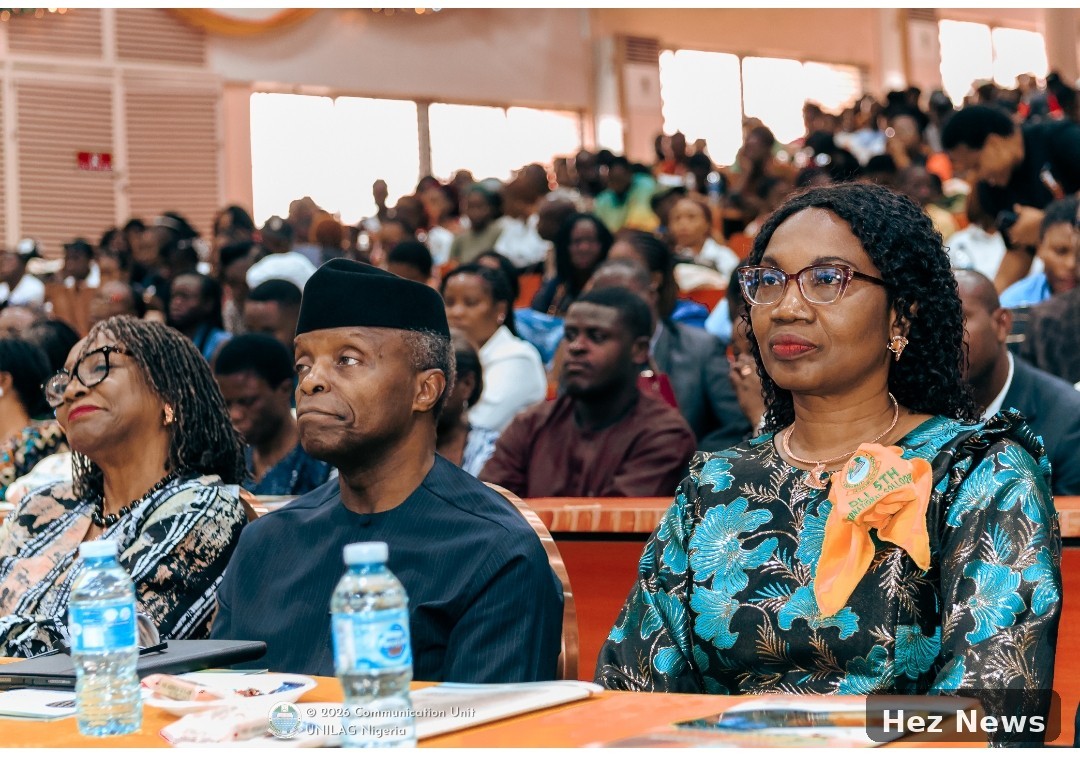
Nigeria is currently facing a significant challenge regarding the increasing demand for university education, which is compounded by the limited capacity of traditional institutions. As a result, there is a growing call among various stakeholders to enhance the use of Open and Distance Learning (ODL) as a viable solution to this crisis.
The Growing Demand for Education
In recent years, the number of students seeking higher education in Nigeria has surged. With a population exceeding 200 million and a youthful demographic, the pressure on universities has intensified. Conventional institutions are unable to accommodate the influx of applicants, leading to a bottleneck in university admissions.
What is Open and Distance Learning?
Open and Distance Learning refers to a mode of delivering education that allows students to learn from various locations without the need for physical presence in a classroom. This method has gained traction globally, offering flexibility and accessibility, particularly for those unable to attend traditional universities due to geographical, financial, or personal constraints.
Benefits of ODL in Nigeria
Implementing ODL in Nigeria presents numerous advantages:
- Accessibility: ODL can reach students in remote areas who may not have easy access to traditional universities.
- Cost-Effective: It often reduces the financial burden on students by eliminating commuting and accommodation costs.
- Flexible Learning: Students can learn at their own pace and schedule, which is particularly beneficial for those balancing work and study.
Stakeholder Involvement
Various educational stakeholders, including government officials, university administrators, and education advocates, are calling for a strategic shift towards ODL. They argue that with proper investment and infrastructure, ODL can significantly alleviate the pressure on existing institutions and provide quality education to a broader audience.
Challenges to Implementation
Despite its potential, the transition to ODL is not without challenges. Issues such as inadequate technological infrastructure, lack of awareness among potential students, and concerns over the quality of education must be addressed. Additionally, there is a need for regulatory frameworks to ensure that ODL programs meet established academic standards.
Conclusion
As Nigeria grapples with a university enrolment crisis, the promotion of Open and Distance Learning presents a promising pathway to enhance educational access. Stakeholders must collaborate effectively to overcome the challenges and maximize the benefits of ODL for the nation’s future.





Leave a Comment