

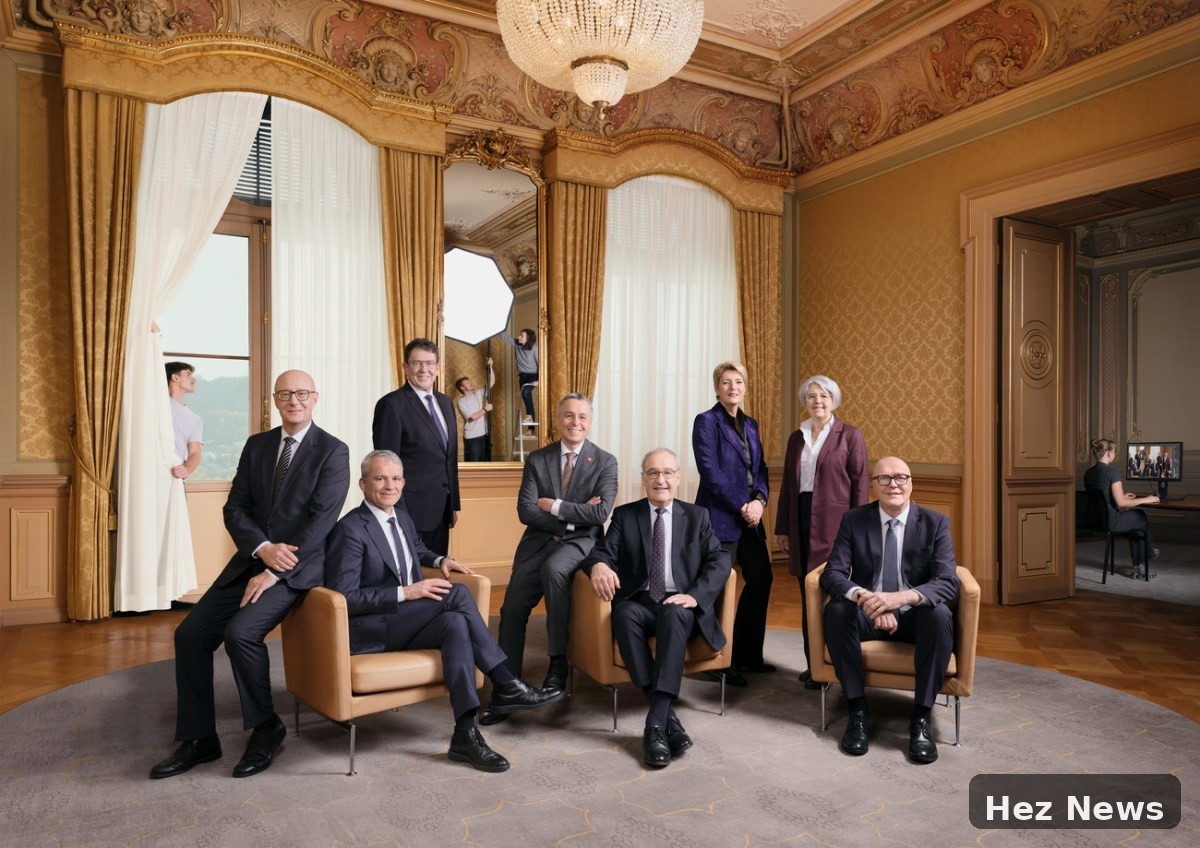
Switzerland has made headlines by having an unprecedented 21 members in its "Living Former Presidents Society," a notable record when compared to other countries. This unique situation prompts an interesting discussion about political stability and leadership in the country.
Comparative Analysis of Former Presidents
When we look at other nations, the numbers are strikingly lower. Britain boasts just nine living former prime ministers, while the United States has five living ex-presidents, and France can only claim two. This stark contrast reflects not just a difference in governance but also raises questions about the political culture in these countries.
The Swiss Political Landscape
Switzerland's political system is characterized by a unique model of governance that prioritizes stability and consensus. The nation employs a semi-direct democracy, which allows citizens to participate actively in decision-making processes. This structure has contributed to a less volatile political environment, leading to a plethora of former leaders still alive today.
In Nigeria, the political landscape can be quite different. With a history marked by coups and political upheaval, former leaders often have a more turbulent legacy. The longevity of political figures in Switzerland contrasts sharply with the experiences of Nigeria, where political instability has sometimes resulted in the early demise of leaders.
Implications of Political Stability
The existence of a large number of living former presidents in Switzerland suggests a stable political environment where leaders can serve their terms without the fear of abrupt removals or political crises. In contrast, Nigeria's experience with leadership transitions showcases challenges such as corruption and governance issues, which can lead to a lack of continuity and stability.
For Nigerians, the Swiss example serves as a reminder of the potential benefits of a stable political system. It raises essential questions about how political structures and citizen engagement can foster a more robust democracy.
Reflection on Leadership
The collective experience of these former presidents can provide valuable insights into effective governance. They serve as a reservoir of wisdom and knowledge, which can be beneficial for the current leadership. In Nigeria, the focus could be on learning from the experiences of past leaders to create a more conducive environment for good governance.
In conclusion, while Switzerland's record of 21 living ex-presidents may not directly translate to lessons for Nigeria, it certainly highlights the importance of political stability and the role of leadership in shaping a nation’s future. It also invites Nigerian citizens to reflect on their political system and advocate for changes that could lead to a healthier democratic process.





Leave a Comment