

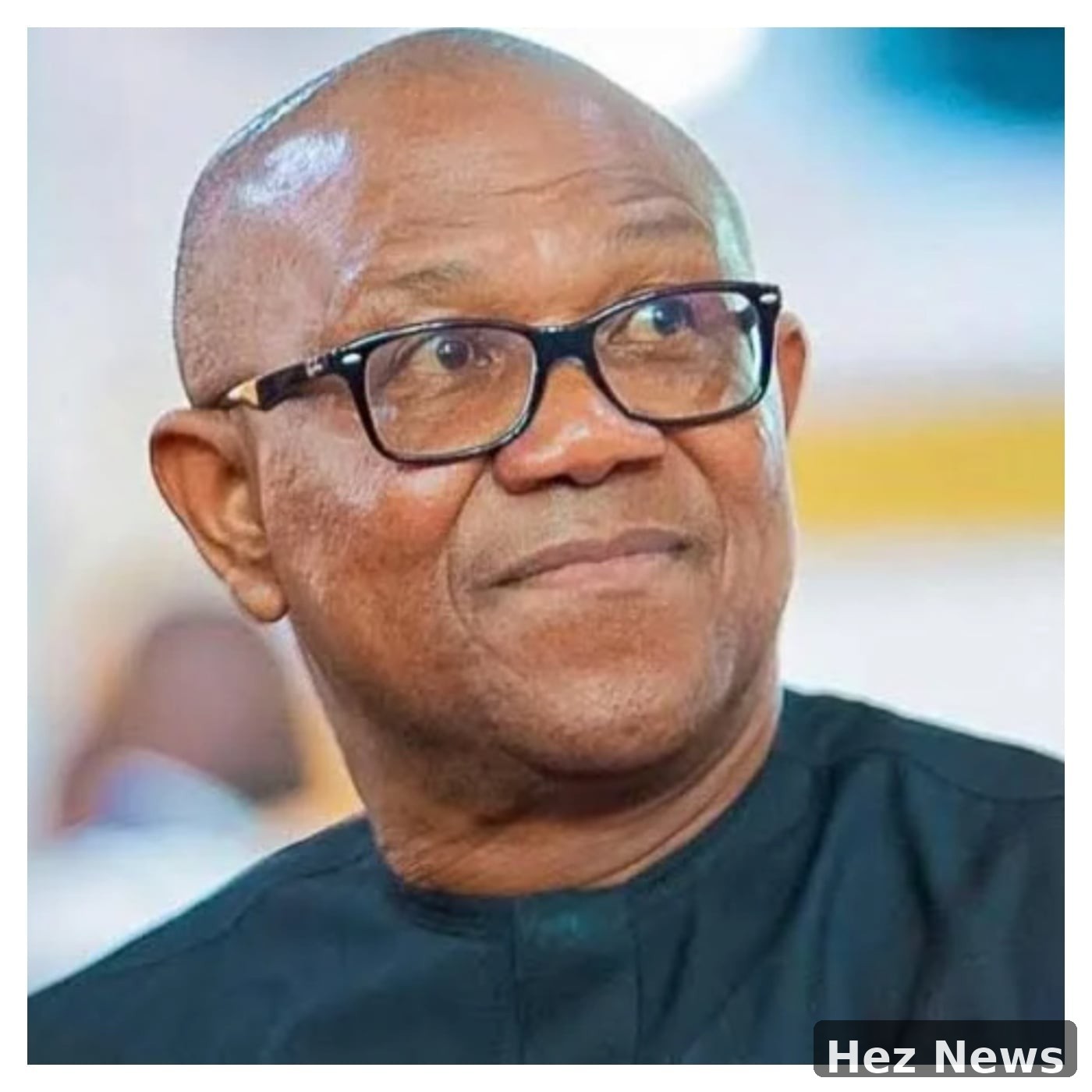
In a recent statement, Frederick Nwabufo, Senior Special Assistant on Public Engagement to President Bola Tinubu, has responded to criticisms made by Peter Obi, the Labour Party presidential candidate, concerning the president's previous records.
Context of the Dispute
The ongoing political discourse in Nigeria has seen a resurgence of debates regarding the past governance records of various political figures, particularly as the nation prepares for upcoming elections. Nwabufo's comments come in light of Obi's remarks that suggest Tinubu's past may not reflect the leadership qualities desired for the current political climate.
Nwabufo's Defense of Tinubu
Nwabufo emphasized that while criticisms of Tinubu's past are common, they lack relevance in the context of current governance challenges. He stated, “Drawing attention to the past is becoming ludicrous. The focus should be on the present and future plans to elevate Nigeria.” This statement underscores a growing sentiment among Tinubu's supporters who argue that the president's current policies and initiatives should take precedence over historical evaluations.
Political Landscape and Reactions
The political landscape in Nigeria is increasingly competitive, with various parties vying for the attention of voters. Obi, who has positioned himself as a reformer, is seen as a significant contender against Tinubu. His criticisms are often aimed at highlighting perceived shortcomings in the ruling administration.
Nwabufo's remarks may serve to galvanize Tinubu’s base by redirecting the narrative away from past allegations towards current achievements and future goals. “We must focus on the tangible progress being made in the nation,” he added, pointing to recent economic initiatives and infrastructure projects initiated under Tinubu's administration.
Public and Political Response
The reaction to Nwabufo's statements has been mixed among the Nigerian populace. Supporters of Tinubu have lauded the emphasis on present governance, while some critics argue that ignoring the past does not absolve current leaders of their responsibilities. The discourse is further fueled by social media, where opinions on both sides are fervently shared.
Conclusion
As the political campaigns heat up, the dialogue surrounding the past and present of Nigeria’s leadership will undoubtedly continue to shape voter perceptions. Nwabufo's comments reflect a strategic move to shift the focus towards the future, urging both politicians and citizens to prioritize the country’s ongoing development over historical critiques.

Leave a Comment