

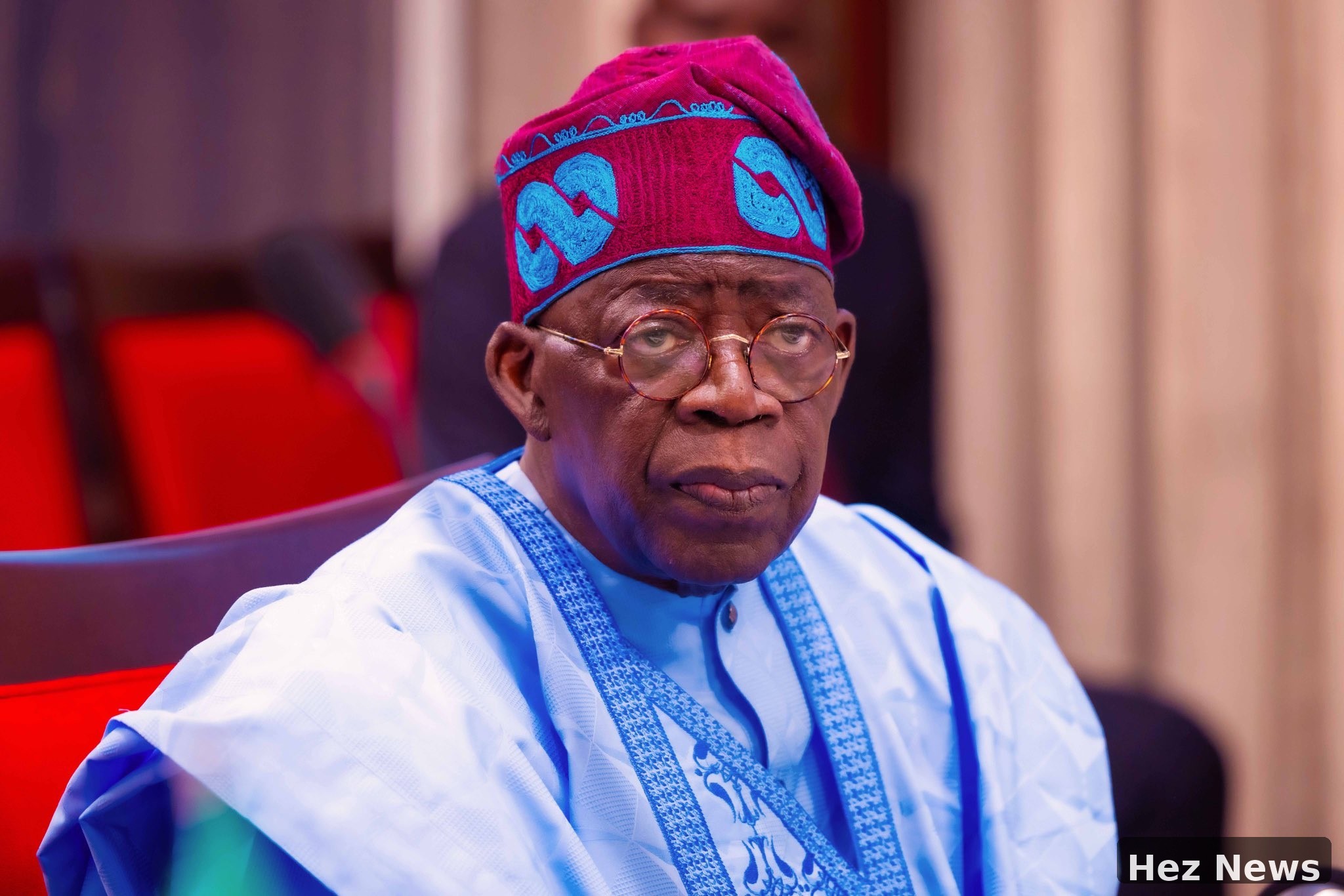
A prominent member of the African Democratic Congress (ADC), Kalu Kalu, has lodged a formal petition with the European Union Commission, accusing Nigerian President Bola Ahmed Tinubu of certificate forgery. This move adds a significant layer of complexity to Nigeria's political landscape as the country approaches the 2027 general elections.
Background of the Allegations
The allegations against President Tinubu revolve around claims that he submitted falsified academic credentials during his rise in political office. Kalu's petition, which has garnered attention on various platforms, raises questions about the legitimacy of the president's qualifications.
Political Implications
This development comes at a critical time for Tinubu, who is expected to lead the nation into the next electoral cycle. The accusations could have profound implications for his administration, potentially influencing public perception and voter sentiment ahead of the elections. Political analysts suggest that this petition may galvanize opposition parties and could even lead to increased scrutiny of the president's past.
Reactions from Political Circles
In response to the petition, supporters of Tinubu have rallied to defend his record, asserting that the allegations are politically motivated. They argue that the timing of the petition is suspect, given the proximity to the upcoming elections. Critics, however, view this as a legitimate inquiry that should be thoroughly investigated.
International Response
The involvement of the European Union Commission in this matter suggests that the allegations are being taken seriously on an international level. It also highlights the potential for foreign entities to influence domestic political issues in Nigeria, raising questions about sovereignty and the role of international bodies in national governance.
Next Steps
As the situation develops, all eyes will be on how the EU Commission responds to the petition. Observers will be keen to see whether this will lead to any formal investigations or diplomatic discussions regarding the legitimacy of Nigeria’s political leadership.
Ultimately, the outcome of this situation could set a precedent for how allegations of misconduct are addressed in the Nigerian political arena, especially as the country navigates its complex electoral landscape.

Leave a Comment