


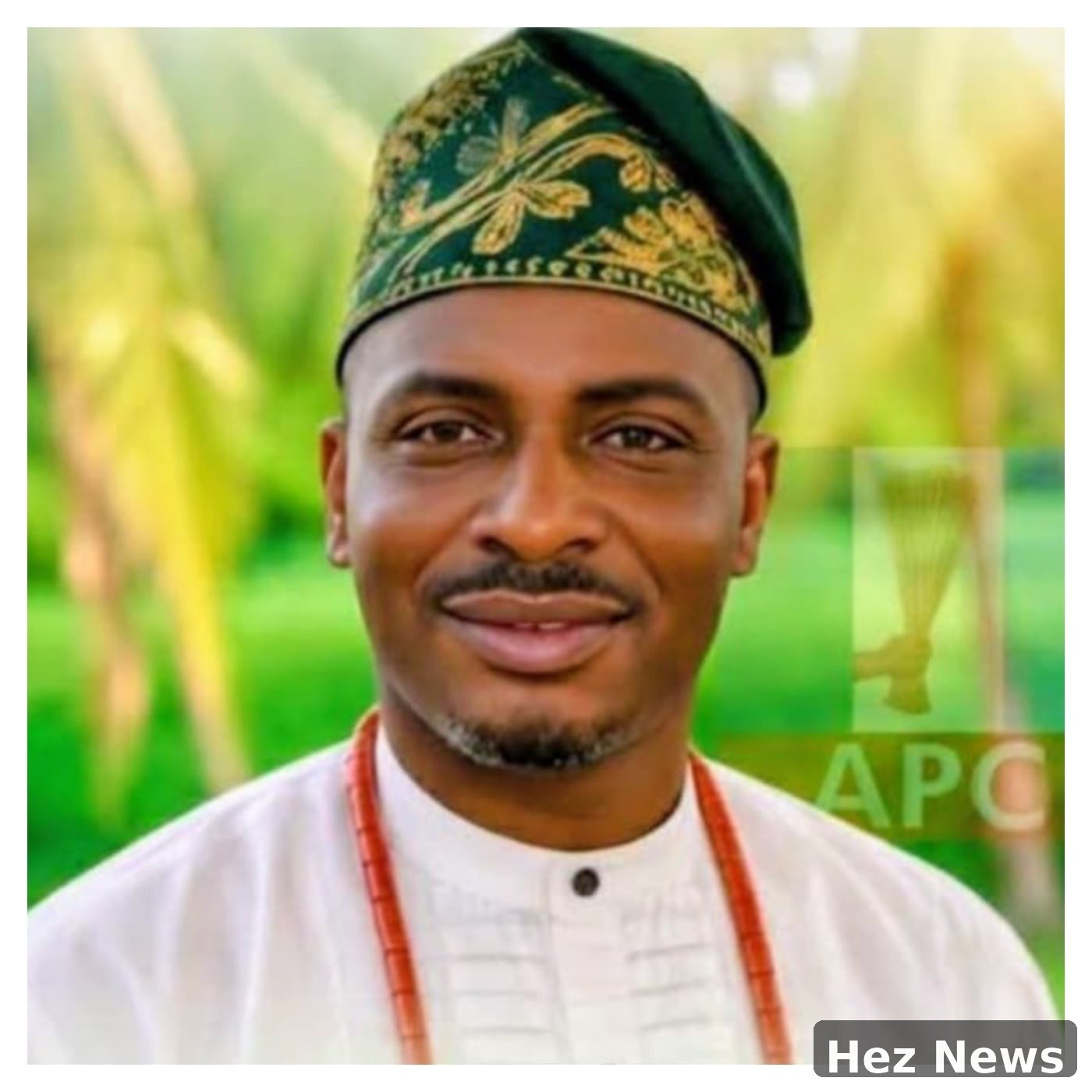
In a recent statement, Ademola Oshodi, the Senior Special Assistant on Foreign Affairs and Protocol to President Bola Tinubu, addressed the ongoing discussions at the United Nations General Assembly (UNGA 81) regarding the United States' stance on international arrests. He specifically dismissed the notion that the US has the authority or intention to arrest certain global leaders, citing historical precedents.
Context of the Discussion
The remarks were made in the context of rising tensions and debates surrounding international law and the role of powerful countries in global governance. Oshodi highlighted that the US has refrained from arresting notable figures such as Muammar Gaddafi, Fidel Castro, and Ayatollah Khomeini, implying that the situation is complex and often influenced by geopolitical interests.
Understanding Global Dynamics
Oshodi emphasized that the international community must recognize the nuances involved when discussing the potential for arrests of influential leaders. He pointed out that these decisions are not merely legalistic but are deeply entwined with political, economic, and social considerations. The aide argued that while some may expect accountability in the international arena, the realities often diverge from expectations.
Nigeria's Position on International Relations
As Nigeria continues to navigate its own foreign policy under the Tinubu administration, these remarks align with the country's broader strategy of promoting diplomacy and cooperation over confrontation. The Nigerian government aims to strengthen its role in Africa and on the global stage, advocating for dialogue and peaceful resolutions to conflicts.
Implications for Nigerian Diplomacy
Oshodi's comments reflect a commitment to maintaining Nigeria's sovereignty and autonomy in foreign affairs. As a nation that has historically played a pivotal role in regional stability, Nigeria's voice in discussions at the UNGA is crucial. The government is focused on enhancing its diplomatic relations while addressing challenges such as security, economic development, and human rights.
Conclusion
In summary, Oshodi's remarks serve as a reminder of the complexities faced by nations in the international arena. As discussions at UNGA 81 progress, Nigeria's perspective, as articulated by its leaders, will be vital in shaping future engagements with global powers.


Leave a Comment