

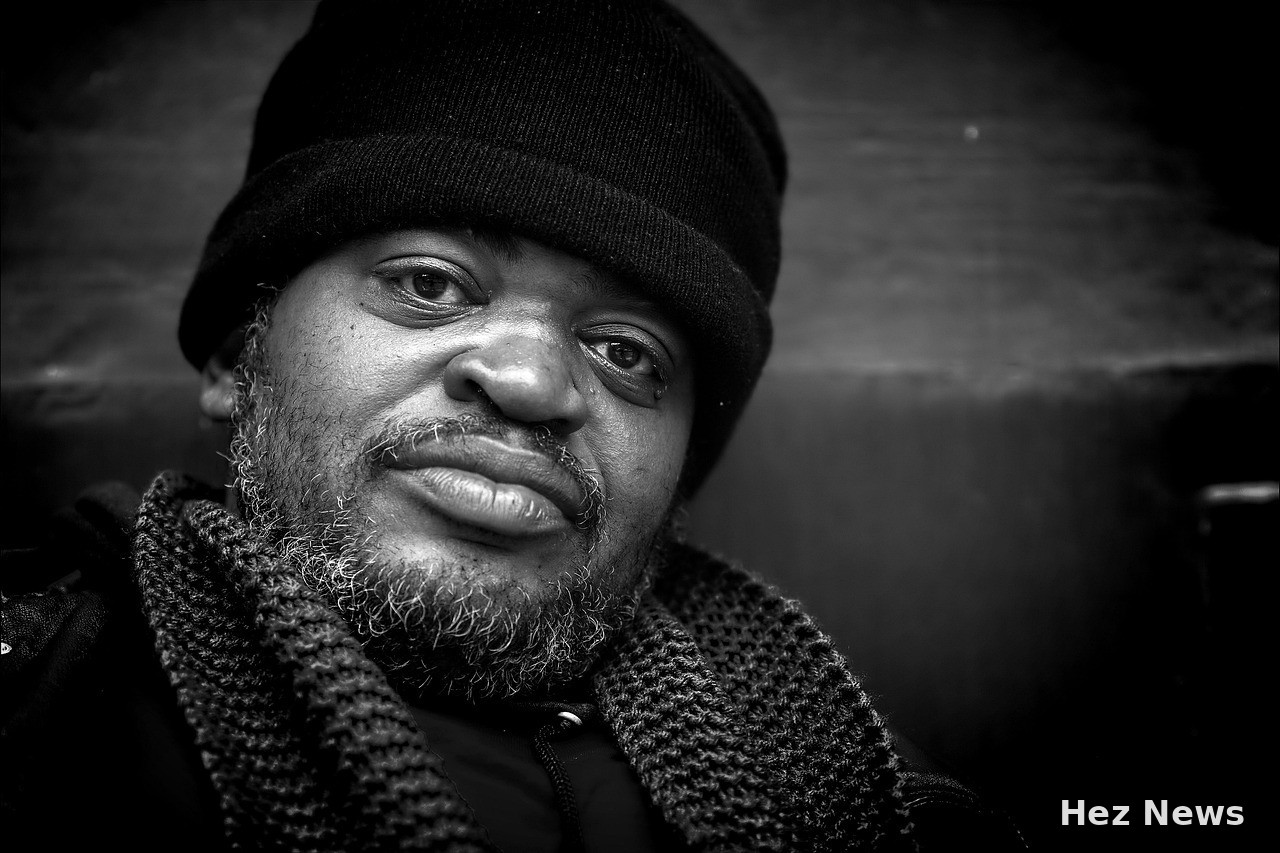
Daniel Bwala, the Special Adviser on Policy Communication to President Bola Tinubu, made headlines on Wednesday with his remarks regarding the Nigerian opposition. Bwala characterized the opposition as jobless, asserting that they are merely lazing around instead of engaging in productive political discourse.
Context of the Remarks
The statement comes amidst a politically charged atmosphere in Nigeria, where the ruling party and the opposition continue to clash over various issues, including governance and national development. Bwala's comments seem aimed at undermining the credibility of the opposition, suggesting that they lack the initiative to propose constructive alternatives to the current administration's policies.
Political Climate in Nigeria
As the political landscape evolves, the opposition parties in Nigeria have been under intense scrutiny. Many of them have been criticized for their inability to present a unified front against the ruling party, especially after the recent elections. Bwala's assertion reflects a growing sentiment among certain political analysts who argue that the opposition must do more than just criticize the government; they need to provide viable solutions to the challenges facing the nation.
Response from Opposition
In response to Bwala's statements, members of the opposition have expressed outrage, claiming that such comments are indicative of the ruling party's attempt to distract from pressing issues like economic challenges, security concerns, and infrastructural deficits. Critics argue that rather than labeling political opponents, the government should focus on addressing the needs of the citizens.
Public Reaction
The public reaction to Bwala's remarks has been mixed. Supporters of the ruling party seem to agree with his assessment, while many citizens feel that the focus should be on governance rather than political mudslinging. Social media platforms have erupted with discussions surrounding the efficacy of both the ruling and opposition parties, showcasing a populace eager for change.
Conclusion
Bwala's comments serve as a reminder of the tense political atmosphere in Nigeria. As the nation prepares for future elections, the discourse around the roles and responsibilities of both the ruling party and the opposition will undoubtedly continue. For the opposition to regain public trust, they must move beyond being labeled as inactive and demonstrate their commitment to addressing the issues that matter most to Nigerians.
Leave a Comment