


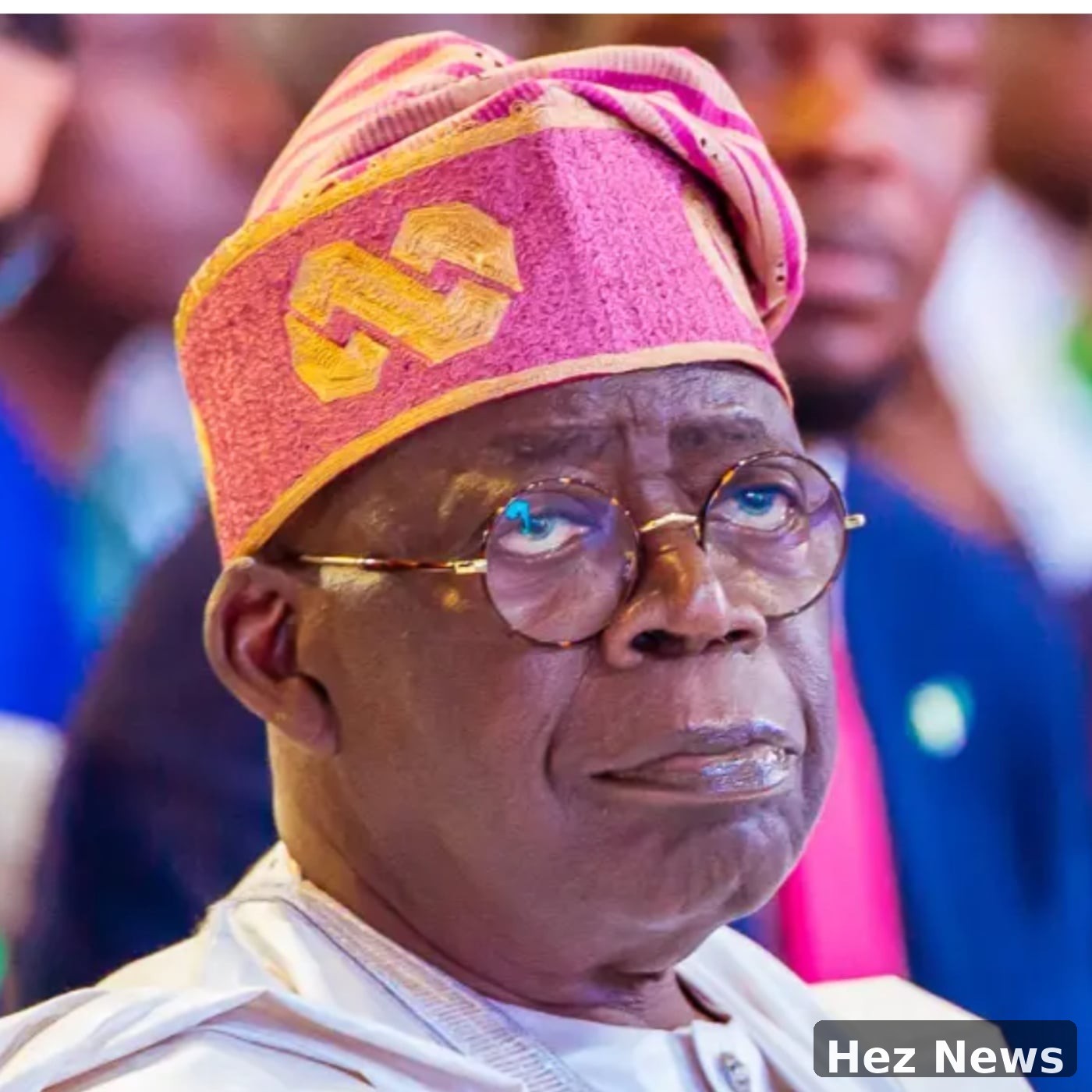
Three years into President Bola Ahmed Tinubu's administration, Nigeria has seen significant shifts in its economic landscape. The nation, once at a standstill, is now embarking on a journey towards comprehensive reforms that aim to transform its financial dynamics.
The Economic Crossroads
Upon taking office, President Tinubu faced a daunting challenge. Nigeria was grappling with a myriad of economic issues, including inflation, unemployment, and a reliance on oil revenues. The country was at a crucial juncture, necessitating bold decisions and a clear vision for sustainable growth.
Implementing Reforms
In response to these pressing challenges, Tinubu's administration has prioritized reform across multiple sectors. Key initiatives include:
- Monetary Policy Reform: The Central Bank has adjusted its policies to stabilize the Naira and control inflation.
- Tax Reforms: Enhancements in the tax system aim to broaden the revenue base and reduce dependency on oil.
- Investment in Infrastructure: Significant investments in infrastructure are underway to bolster economic activities and create jobs.
These reforms reflect Tinubu's commitment to reposition Nigeria as a competitive player in the global market.
Vision for the Future
President Tinubu's vision extends beyond immediate reforms. His administration aims to foster an environment conducive to long-term growth. By attracting foreign investments and encouraging local entrepreneurship, the government seeks to diversify the economy.
Furthermore, Tinubu emphasizes the importance of education and technology in driving economic progress. Initiatives aimed at enhancing vocational training and digital literacy are being rolled out to equip Nigerians with necessary skills for the evolving job market.
Challenges Ahead
Despite the strides made, challenges remain. Addressing corruption, ensuring security, and managing public expectations are critical for the success of these reforms. The administration must also navigate the complexities of international relations, particularly in light of fluctuating oil prices and global economic uncertainties.
Conclusion
As Nigeria continues its journey under Tinubu's leadership, the country stands at a pivotal moment in its history. The courage to reform and a clear vision for the future are essential to overcoming obstacles and achieving sustainable development. Nigerians are hopeful that these reforms will lead to lasting positive change and a brighter economic future.


Leave a Comment