


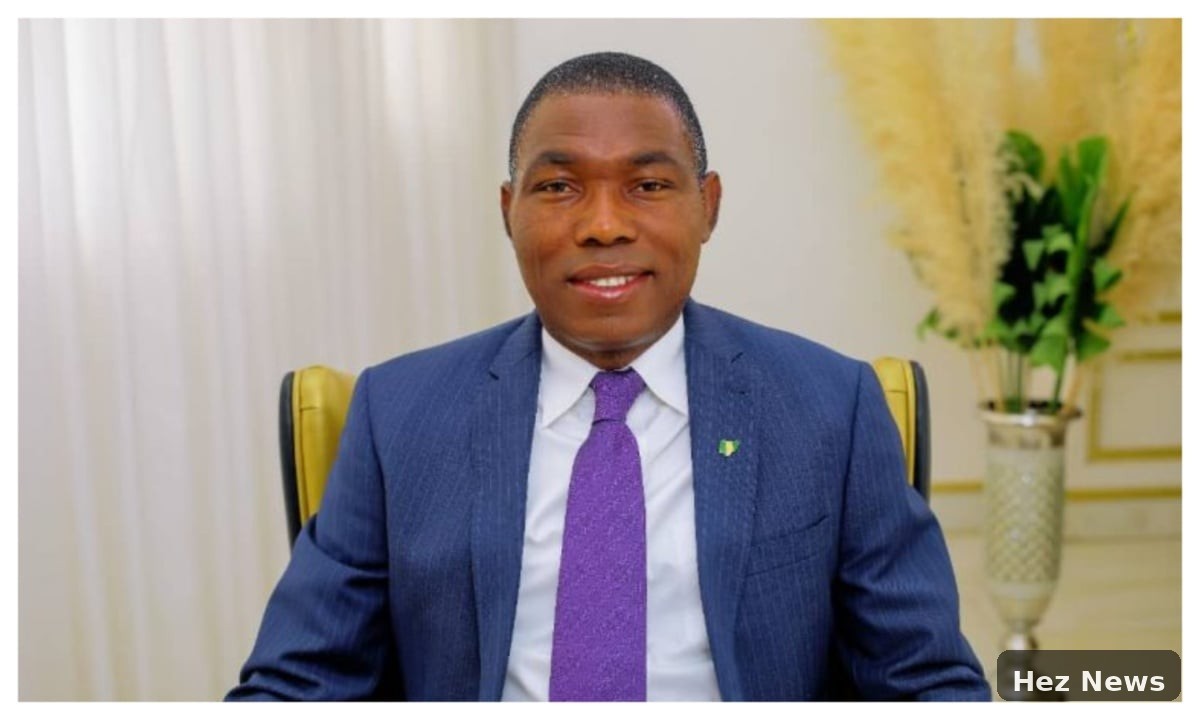
The President of the Trade Union Congress (TUC) has recently addressed the implications of the Federal Government's new petrol discount policy. According to him, this initiative will inevitably involve subsidy payments, which could have a significant impact on the nation's economy and the livelihood of everyday Nigerians.
Impact of Minimum Wage on Petrol Prices
During a recent press conference, the TUC President emphasized that the current minimum wage of N70,000 is insufficient to cope with rising fuel prices. He stated, “If you compare that to the recent petrol price hikes, it's clear that the low minimum wage places a heavier burden on Nigerian workers.” This statement underscores the growing concerns about the affordability of essential goods and services in a country where many families are already struggling to make ends meet.
Understanding the Subsidy Mechanism
The proposed subsidy payment as part of the petrol discount policy is aimed at cushioning the effects of increased fuel prices. However, the TUC President warned that the actual effectiveness of this subsidy will depend on the government's implementation strategy. He noted, “Without a clear and transparent mechanism for disbursing these subsidies, we risk exacerbating the financial strain on the average Nigerian.” The TUC has called for a structured approach to ensure that subsidies reach those who need them most.
Public Reaction to the Policy
As the government prepares to roll out this policy, public opinion remains divided. Many Nigerians are hopeful that the petrol discount will alleviate some of the financial pressures they face. However, there are also concerns about the potential for corruption and mismanagement of funds. Citizens are urging the government to establish accountability measures to ensure that the subsidies are used effectively.
Conclusion
The TUC President's remarks highlight the complex dynamics of fuel pricing and economic policy in Nigeria. As the nation grapples with the dual challenges of rising living costs and stagnant wages, the effectiveness of the Federal Government's subsidy payments will be crucial in determining whether this new petrol discount policy can deliver real benefits to the Nigerian populace.
In anticipation of the policy’s full implementation, Nigerians are encouraged to stay informed and actively participate in discussions surrounding this critical issue, as it has the potential to shape the country's economic landscape in the coming months.

Leave a Comment