

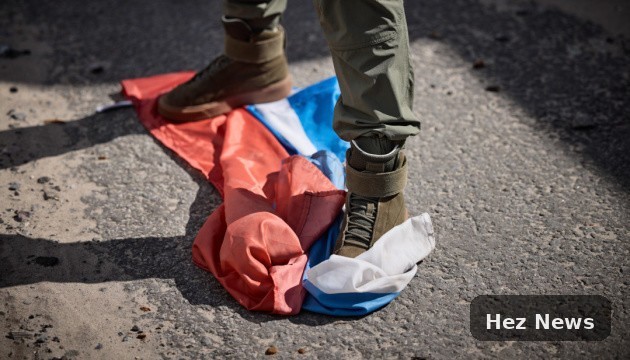
In a significant diplomatic move, Ukrainian Foreign Minister Andrii Sybiha has called for the closure of Russian cultural centers, commonly referred to as Russian Houses, in countries around the globe. This appeal was made public on the social media platform X, as reported by Ukrinform.
Context of the Appeal
The Ukrainian government’s request comes amid ongoing tensions between Russia and Ukraine, intensified by the war that began in 2022. Sybiha emphasized that Russia is engaging in a global battle for influence through various means, aiming to shape public opinion and promote its narratives worldwide.
Impact on International Relations
This call to action highlights the broader implications of Russia's cultural diplomacy and its attempts to exert soft power in different nations. The Ukrainian minister pointed out that organizations like Rossotrudnichestvo and other Russian cultural entities play a crucial role in disseminating pro-Russian sentiment and undermining Ukraine's sovereignty.
Nigeria's Stand on the Conflict
Nigeria, as a member of the international community, has been observing the developments closely. The nation has historically maintained a neutral stance in international conflicts, advocating for peaceful resolutions. However, the Ukrainian minister's statements may prompt discussions within Nigeria regarding the presence and activities of Russian cultural institutions in the country.
The Role of Cultural Institutions
Cultural institutions, such as the Russian Houses, often serve as platforms for cultural exchange; however, they can also be perceived as tools for political influence. In Nigeria, where diverse cultural interactions are celebrated, the potential for such entities to sway public opinion or promote foreign agendas raises questions about national identity and sovereignty.
Global Reactions
Reactions from various countries regarding Ukraine's appeal are expected to vary. Some nations may align with Ukraine's stance, while others may view these institutions as valuable cultural assets. The international community's response could significantly influence the operational status of Russian Houses worldwide.
Conclusion
As the situation evolves, it remains to be seen how countries, including Nigeria, will respond to Ukraine's appeal for the closure of Russian cultural centers. This issue not only touches on themes of cultural diplomacy but also resonates with the ongoing discussions about national sovereignty and the influence of foreign powers in domestic affairs.



Leave a Comment