

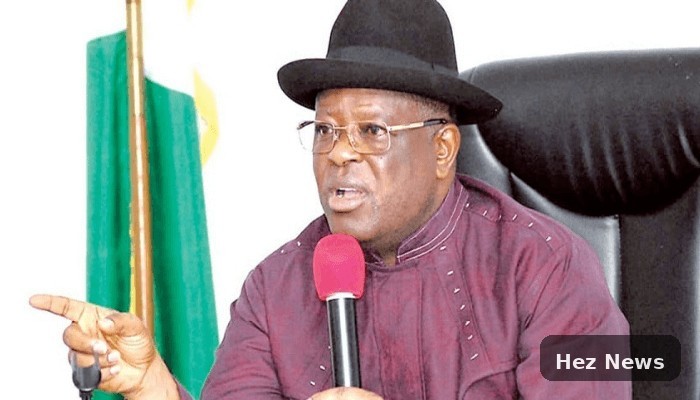
The Minister of Works, Dave Umahi, recently made headlines as he addressed the growing concerns regarding his position amidst calls for his resignation. These calls have emerged primarily due to the poor condition of roads across Nigeria, which has become a pressing issue for citizens.
Road Conditions Under Scrutiny
Umahi's comments come at a time when road infrastructure is a significant concern for many Nigerians. The state of roads affects not only daily commutes but also the overall economic activities in various regions. Many citizens have expressed their frustration over the deteriorating state of highways and local roads, citing safety hazards and economic implications.
Response to Resignation Calls
In a recent statement, Umahi expressed his bewilderment regarding the calls for his resignation, emphasizing that he does not understand why his position is a cause for worry among the populace. He stated, “I don’t know why my position worries many people.” This comment reflects his perception of the role he plays in improving Nigeria's infrastructure.
Future of Igbo Leadership
Amidst the discussions about road conditions, Umahi also touched upon the political landscape concerning the 2027 elections. He indicated that the calls for the presidency to rotate to the Igbo ethnic group by 2027 are premature. He reiterated his belief in a meritocratic system where leaders are chosen based on their capabilities rather than ethnic affiliations.
Umahi’s stance has sparked discussions across various platforms, with some supporting his views while others argue for the need for equitable representation in Nigerian politics. The ongoing debate underscores the complexities of Nigeria's political dynamics, particularly concerning ethnic representation and leadership roles.
Public Sentiment and Reactions
The response from the public has been mixed. While some view Umahi's comments as a reflection of his commitment to improving road conditions and governance, others remain skeptical about the government's ability to address these critical infrastructure issues. Social media platforms have been abuzz with opinions, further illustrating the divide among citizens regarding leadership and accountability.
Conclusion
As the conversation surrounding road conditions and political representation continues, it is evident that infrastructure development remains a top priority for many Nigerians. Umahi’s remarks highlight the challenges faced by leaders in addressing public concerns while navigating the intricate landscape of Nigerian politics. Moving forward, it will be crucial for the government to take actionable steps towards improving road conditions and fostering a political environment that embraces inclusivity and merit.

Leave a Comment