

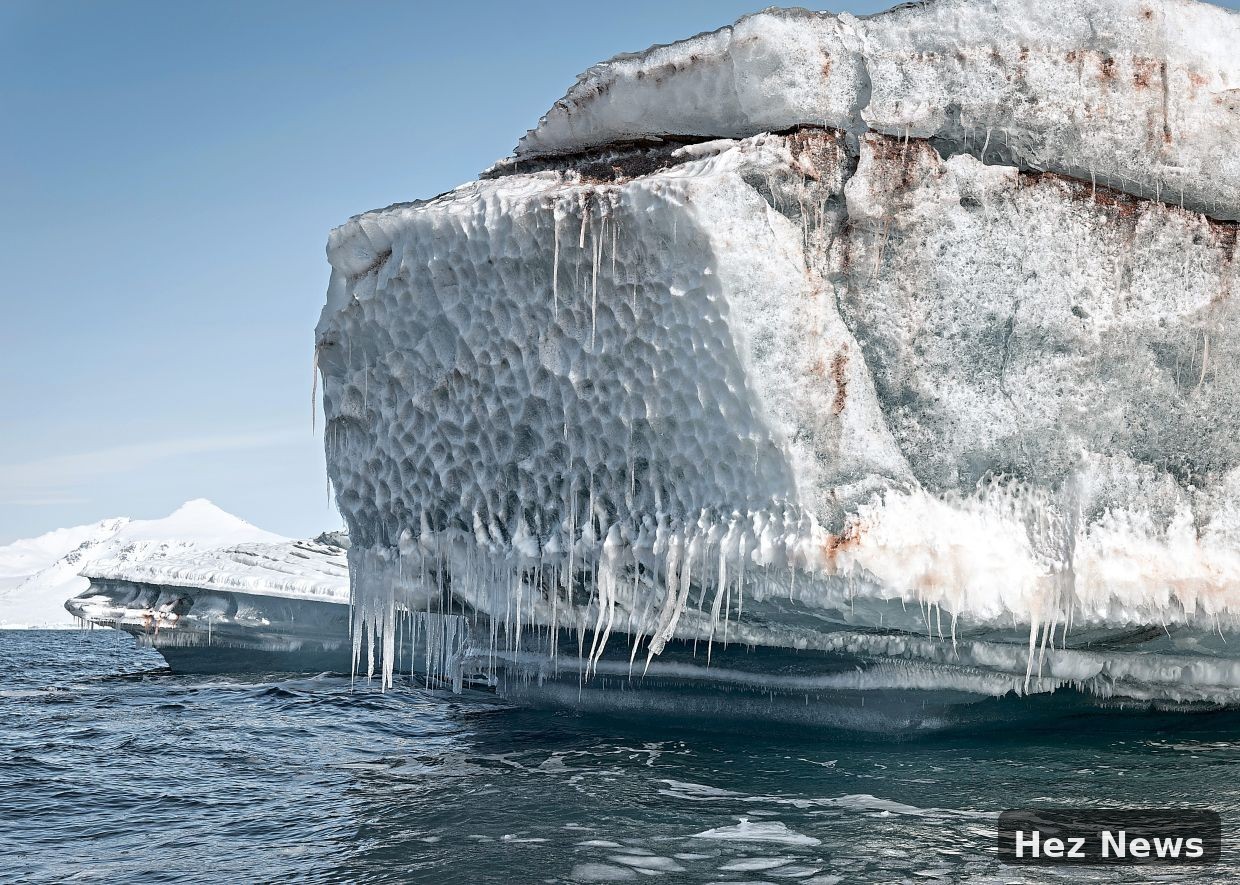
The United Nations (UN) has issued a stark warning regarding the alarming trajectory of global temperatures, indicating that our planet is on course to become significantly hotter. This cautionary note comes in light of a comprehensive report released on Wednesday, which summarizes the world's progress—or lack thereof—in curtailing global warming.
The Paris Agreement and Its Challenges
Since the adoption of the 2015 Paris Agreement, nations worldwide have made commitments to limit global warming to 1.5°C above pre-industrial levels. However, the latest findings from the UN suggest that these efforts have been insufficient. The report highlights a concerning trend where global temperatures are not only rising but doing so at an unprecedented rate, which poses severe implications for countries like Nigeria.
Implications for Nigeria
As a country that is already grappling with the impacts of climate change, including extreme weather events, flooding, and droughts, Nigeria is particularly vulnerable to the effects of rising global temperatures. The UN report emphasizes that if global temperatures continue to escalate, Nigeria could face increased food insecurity, health risks, and displacement of communities.
Global Response and Responsibilities
In response to these findings, the UN has called for urgent action from all nations to meet their climate commitments. This includes not only reducing emissions but also enhancing climate resilience measures. For Nigeria, this means investing in sustainable agriculture, improving water management systems, and strengthening disaster response frameworks.
Furthermore, the report urges developed nations to fulfill their financial pledges to assist developing countries in adapting to climate change impacts. The need for international cooperation has never been more pressing, as the consequences of inaction will be felt globally.
The Road Ahead
As the world faces this critical juncture, the responsibility lies with both governments and individuals to take decisive steps towards a sustainable future. The UN's warning serves as a reminder of the urgency of the climate crisis and the need for collective action.
Nigeria, with its rich biodiversity and natural resources, has the potential to lead in climate action within Africa. By prioritizing environmental sustainability, the nation can not only mitigate the effects of climate change but also secure a better future for its citizens.
In conclusion, the UN's report is a wake-up call for all nations, including Nigeria, to accelerate their efforts in combatting climate change. The time to act is now, and the future of our planet depends on our collective response.






Leave a Comment