

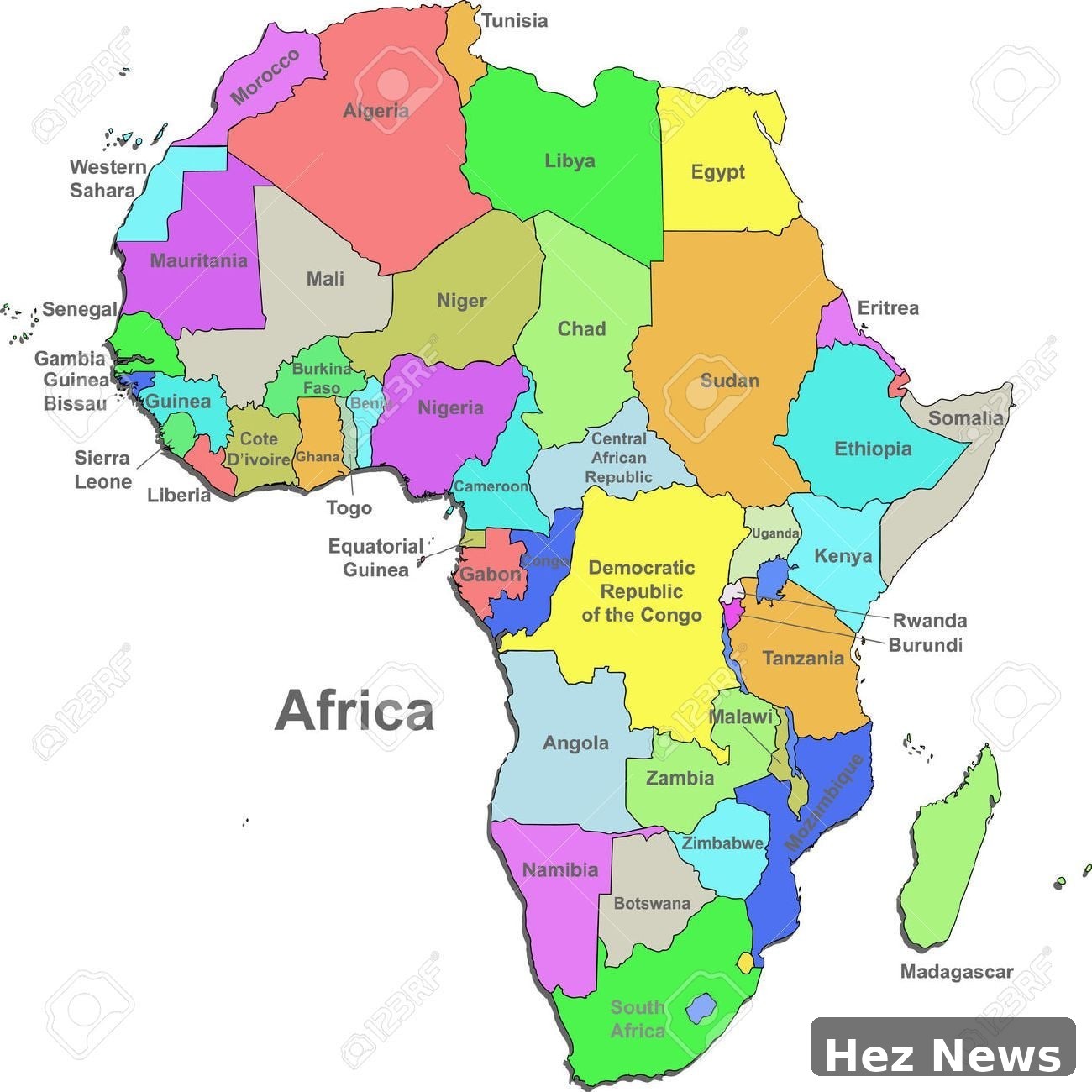
The United Nations General Assembly has taken a significant step towards recognizing Africa's true geographical size by passing a resolution that encourages governments, educational institutions, and technology companies worldwide to stop utilizing maps that distort the continent's scale.
Background of the Resolution
The resolution, which was passed with overwhelming support, highlights the importance of geographical accuracy in educational materials and digital platforms. Many traditional maps have historically minimized the size of Africa, often portraying it as much smaller than it is in reality. This misrepresentation has long-term implications for how the continent is viewed globally, affecting everything from international relations to economic opportunities.
The Scale of Misrepresentation
Maps that inaccurately depict Africa contribute to a misunderstanding of its vastness, which is home to over 1.3 billion people and spans more than 30 million square kilometers. The resolution calls for a reevaluation of educational resources and digital mapping services to ensure that they reflect Africa's true size accurately. This move is particularly vital for Nigeria, the most populous country in Africa, where education plays a crucial role in shaping perceptions of the continent.
International Reactions
While the resolution was met with applause from many nations across Africa, the United States has voiced its opposition. U.S. representatives argue that the resolution could lead to unnecessary political tension and complicate existing diplomatic relations. Critics of the U.S. stance point out that geographical accuracy should transcend political concerns and that a true representation of Africa can foster better understanding and cooperation.
Impact on Education and Technology
The UN's push for accurate maps is especially relevant in the context of Nigeria's educational system. Schools across the country often rely on outdated maps that do not accurately represent Africa's size, which can lead to misconceptions among students about their continent's importance and global standing. Tech companies, particularly those involved in mapping and geographical information systems, will also need to reassess their data to comply with the new guidelines.
What’s Next?
As the resolution gains traction, it is expected that countries will begin reviewing their cartographic materials. In Nigeria, educators and policymakers are likely to engage in discussions about how to implement the guidelines effectively. This could lead to a broader awareness of Africa's significance on the world stage and promote a more informed and engaged citizenry.
Conclusion
The UN's endorsement of a more accurate map of Africa represents a pivotal moment in how the continent is perceived internationally. While some nations, like the U.S., may oppose the resolution, the overwhelming support from African nations underscores a collective desire for recognition and respect. As Nigeria continues to grow as a leading nation in Africa, embracing this change will be essential for fostering a more accurate understanding of the continent's vast potential.




Leave a Comment